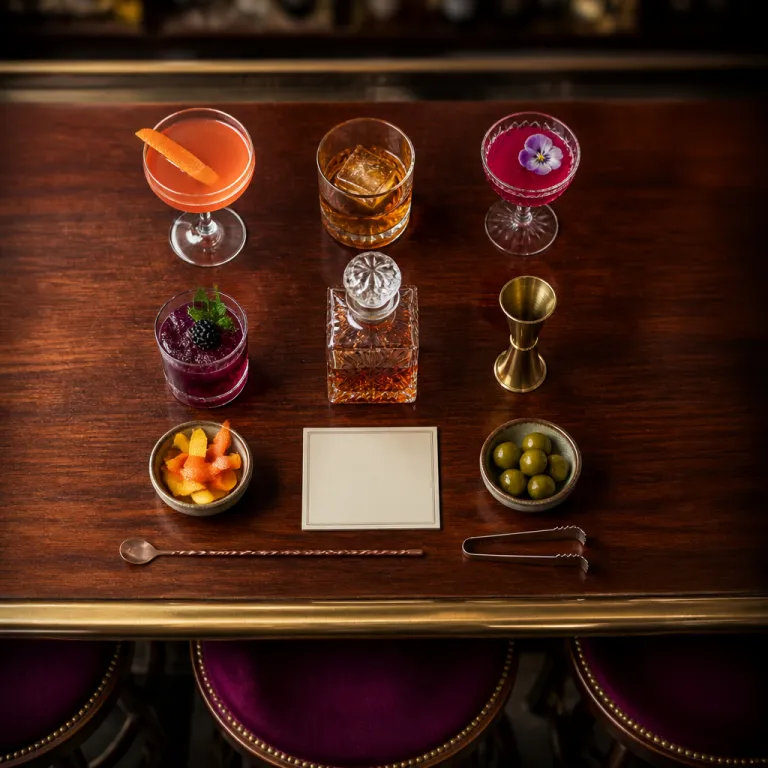
The first ten minutes at the counter: reading the light
Walk into a luxury hotel bar and pause before you sit. The way the lighting wraps the bar counter, the back wall and the nearby tables already tells you what kind of evening you are about to have. In those first ten minutes, the hotel bar lighting design ambiance mood either softens your shoulders or sends you back to the lift.
Experienced lighting designers talk about “emotional wayfinding” through light. They use layered lighting so that a guest can read the room instantly, from the glow on the bottles to the pools of warm light on the floor that guide you to the best bar stools. When the lighting plan is right, guests feel they have chosen the perfect space before the first sip of a martini.
Look at the color temperature on the main fixtures above the counter. If the pendant lights are tuned to a warm white rather than a harsh blue, you can expect a slower, more conversational bar type of evening. When the wall sconces and other accent lighting are dimmed just enough to blur edges, the ambient lights create intimacy without hiding the bartender’s craft.
Good hotel lighting always respects faces. The best bars use a mix of low level led strip lighting under the counter, discreet bulbs behind the back bar and carefully aimed wall lights to flatter skin tones. You should see the bartender’s hands clearly while the rest of the bar lighting falls away into a comfortable shadow.
Notice how different areas within the same hotel bar feel. A high table near the entrance may sit under brighter pendants for quick happy hour meetings, while deeper banquettes rely on softer accent lighting for late night confidences. This zoning of light helps each guest find the corner that matches their mood without a single word exchanged.
The science behind a flattering pour: color temperature and psychology
Behind the romance of a glowing counter sits hard science. Color temperature, measured in kelvins, shapes how guests read a bar, whether they stay for one drink or three and how they remember the hotel the next morning. Designers working on high end restaurant lighting and hotel bars treat these numbers with the same precision as a bartender treats a house Negroni recipe.
Cooler light, around 4000K and above, sharpens edges and energises, which can work for a breakfast service but rarely flatters a late night martini. For evening service, most luxury hotel lighting schemes sit between 2200K and 3000K, where warm white tones make wood richer, brass glow and skin look rested. This shift in color is subtle, but guests consistently report feeling more relaxed and more generous with their time in such ambient conditions.
Hospitality Lighting Analysis data shows that customer satisfaction can rise by around 20 % when a lighting plan is properly tuned. That uplift is not about brightness alone ; it comes from the balance between task lighting for staff, accent lighting on key features and a gentle base of ambient light. “Why is lighting important in hotel bars? It sets the mood and influences guest behavior.”
Designers also think in layers of space, not just fixtures. They combine pendants above the bar, wall sconces along circulation routes and hidden led strip lighting under counters to create depth. Each layer can be adjusted independently, allowing the bar team to move from pre dinner energy to after hours hush without guests noticing a single switch.
For travelers choosing where to stay, this science matters. A hotel that invests in expert lighting design for its bars usually invests in training its bar staff and curating its spirits as well. If you want to understand how seriously a property takes its bar, read the light before you read the cocktail list and then explore how bar forward design drives revenue in depth on this analysis of bar focused hotel design.
Named hotel bars where the light does the talking
Certain hotel bars have become case studies in how light can script an evening. At the American Bar at The Savoy in London, the bar lighting is famously low yet precise, with pendant lights and table lamps creating small stages for each guest without ever feeling theatrical. The back bar glows with carefully placed led bulbs that make every bottle label legible while the rest of the room stays comfortably shadowed.
In New York, The NoMad’s former library bar showed how natural light can work in tandem with artificial fixtures. Daytime service leaned on tall windows and soft wall lights, while evenings relied on warm pendants and discreet led strip lighting along shelves to keep the focus on books and glasses. The transition from day to night felt like a slow exhale rather than a sudden blackout.
Tokyo’s Park Hyatt New York Grill & Bar offers another lesson in vertical space. Here, double height windows frame the skyline, and the lighting design uses low level accent lighting and subtle wall sconces to keep reflections under control. Guests sit in pools of warm white light, while the city outside becomes a moving backdrop rather than a distraction.
Rooftop and outdoor bar concepts demand different thinking again. At the Marina Bay Sands rooftop bars in Singapore, designers use low glare led fixtures and shielded bulbs to avoid competing with the skyline, while still giving bartenders enough task lighting to work cleanly. Pathways are marked with tiny ground level lights, guiding guests safely without breaking the night sky drama.
For travelers drawn to greener spaces, biophilic hotel bars now blend planting with carefully tuned fixtures. Designers integrate led strip lighting into planters, use pendant lights that echo natural forms and let filtered natural light shape the mood by day, a trend explored in detail in this feature on biophilic bar design. These spaces feel less like traditional bars and more like evening gardens where the lighting bar choices are as considered as the foliage.
From daylight to last call: how great bars shift their glow
The most sophisticated hotel bars now treat light as a 24 hour narrative. Morning service might start with higher levels of natural light, supported by cooler led bulbs that keep the space crisp for coffee meetings and laptop sessions. As the day moves on, the lighting plan gradually warms and softens, guiding guests from emails to aperitifs without a jolt.
By late afternoon, many luxury bars reduce overhead lights and lean more on wall sconces and accent lighting. This creates a sense of depth and makes the bar counter itself the brightest point in the room, a visual cue that the evening pour is approaching. Guests arriving for happy hour feel the shift immediately, even if they cannot pinpoint why the room suddenly feels more sociable.
After dark, the best teams treat lighting adjustments like service choreography. Bar staff, trained alongside lighting designers and hotel managers, use pre programmed scenes on smart systems rather than crude dimmer switches. They can nudge the ambient levels down for a late night jazz set or raise task lighting slightly during a busy service, all without breaking the bar’s mood.
Different bar types within the same hotel often follow distinct lighting ideas. A lobby bar may keep things brighter and more open, with pendant lights and wall fixtures that invite passing guests to sit for a quick drink. A hidden whisky bar down the corridor will likely use lower level led strip lighting, darker walls and tighter pools of light to signal a more contemplative experience.
For travelers, these transitions matter when choosing where to stay or where to sit. If you prefer a lively early evening, look for bars where the lighting near windows and communal tables stays a touch brighter during happy hour. If you want a slow, late night conversation, follow the softest glow to the quietest corner and then deepen your understanding of martini focused bar programs through this guide to martini led hotel bars.
Candles, back bar glow and the art of flattering faces
There is a long running debate among bar designers about candlelight. Some argue that nothing beats the flicker of a real flame for creating intimacy, while others insist that well designed electric fixtures can deliver the same romance with more control. In practice, the most successful luxury hotel bars use both, treating candles as an accent rather than the main source of light.
Look closely at a well run back bar and you will see how carefully it is lit. Slim led strip lighting often runs along the underside of each shelf, angled to graze the bottles and make labels readable without throwing glare into guests’ eyes. The color temperature here is usually slightly cooler than the room’s ambient light, which makes glass and liquid sparkle without making the space feel clinical.
Wall sconces play a quiet but crucial role in this composition. Positioned between mirrors, artworks or architectural details, they add vertical rhythm and keep corridors and secondary areas from falling into darkness. When combined with low level pendants above tables and precise task lighting behind the bar, they help create a layered hotel bar lighting design ambiance mood that feels both deliberate and effortless.
For faces, the goal is always softness without blur. Designers avoid strong downlights directly above seats, which can cast unflattering shadows, and instead rely on a mix of side light from wall fixtures and gentle bounce from nearby surfaces. Guests may not notice the individual bulbs or led fittings, but they feel the confidence that comes from seeing themselves in a flattering, warm white glow.
Even outdoor bar spaces can achieve this level of nuance. Shielded fixtures, integrated into planters or low walls, provide enough light for menus and steps while letting the night sky remain the star. When you next choose a hotel, pay attention to how its bars handle this balance between candlelight, electric light and darkness ; it often reveals more about the property’s priorities than any marketing brochure.
How to read lighting cues when choosing your next bar stay
For business leisure travelers extending a work trip, time at the bar is precious. You want a hotel where the lighting supports both a quick debrief with colleagues and a solitary late night nightcap. Learning to read lighting cues helps you select properties where the bar is genuinely the soul of the stay.
Start with the arrival sequence. If the path from lobby to bar is guided by subtle wall lights and not by harsh overhead fixtures, the hotel likely understands how to manage ambient levels. Look for bars where the counter is gently highlighted, but surrounding areas remain soft, allowing each guest to feel cocooned rather than exposed.
Next, study the fixtures themselves. A mix of pendant lights above the bar, discreet wall sconces along perimeters and hidden led strip lighting under counters usually signals a considered lighting design. Single source glare or visible bare bulbs, by contrast, often indicate a space that was value engineered rather than crafted for mood.
Observe how the bar behaves across the evening. During happy hour, you should see slightly brighter task lighting for staff and clearer illumination of menus, while later in the night the same fixtures should dim smoothly into a more intimate glow. If the shifts feel abrupt or if parts of the bar become either too dark or too bright, the underlying lighting plan may be weak.
Finally, trust your own response. If you feel better about yourself within ten minutes of sitting down, if the color of your drink looks rich, if the faces around you seem relaxed and if the space between tables feels gently defined by light, you are in the right bar. That is the hotel bar lighting design ambiance mood doing its quiet work, turning a simple pour into the highlight of your stay.
Key figures on hotel bar lighting and guest behavior
- Customer satisfaction in hotel bars can increase by around 20 % when lighting is properly designed and tuned, according to Hospitality Lighting Analysis, which directly links layered lighting to longer guest stays.
- Industry reports on multi sensory design indicate that hotels investing in coordinated light, sound and scent in their bars see measurable gains in beverage revenue compared with properties focusing only on décor.
- Lighting designers working with luxury hotels typically specify warm white color temperatures between 2200K and 3000K for evening service, a range shown to support relaxation and social interaction more effectively than cooler light.
- Smart lighting systems, integrating dimmable led fixtures and programmable scenes, are now standard in many new high end hotel bars, allowing bar staff to adjust ambiance in seconds without visible switches.
- Energy efficient led bulbs and strips can reduce lighting related energy consumption in hotel bars significantly over time, freeing budget for higher quality fixtures and more ambitious lighting ideas.
FAQ about hotel bar lighting design ambiance mood
Why is lighting so critical in luxury hotel bars ?
Lighting shapes how guests feel, how long they stay and how they remember the bar. Properly layered hotel lighting supports both atmosphere and function, allowing staff to work efficiently while guests relax into the evening. In many properties, a well executed lighting plan is directly tied to higher beverage sales and repeat visits.
What are the most common lighting techniques used in high end bars ?
Luxury hotel bars typically rely on layered lighting, combining ambient light, accent lighting and focused task lighting. Designers use tools such as pendant lights, wall sconces and led strip lighting to create depth and highlight key features like the back bar. Dimmers and smart controls then allow the team to shift the mood smoothly from day to night.
How does lighting affect guest comfort and behavior ?
Warm white color temperatures and well balanced brightness levels help guests feel more at ease and more inclined to stay for another drink. Overly bright or poorly aimed lights can make a bar feel exposed, while spaces that are too dark can feel unsafe or impractical. Proper lighting enhances ambiance and encourages longer stays by making people look and feel better.
What should I look for when choosing a hotel based on its bar lighting ?
Check photos for a mix of fixtures, including pendants, wall lights and subtle under counter illumination, rather than a single overhead source. Look for bars where the counter and back bar glow gently while surrounding areas remain softly lit, suggesting a thoughtful lighting plan. Reviews that mention mood, ambiance and comfort at the bar are often good indicators of strong lighting design.
Can outdoor hotel bars achieve the same mood as indoor spaces ?
Yes, outdoor bar areas can feel just as refined when designers use shielded fixtures, integrated led strips and careful control of glare. The best examples balance safety and visibility with respect for the night sky and surrounding views. Low level lighting along paths and seating, combined with a warm glow at the bar itself, creates an inviting evening atmosphere outside.
References
- Hospitality Lighting Analysis, industry report on customer satisfaction and lighting in hotel bars.
- Mingsun Group, hotel bar design report on multi sensory experience design and lighting trends.
- International Association of Lighting Designers (IALD), guidelines and case studies on hospitality lighting design.