From garden path to glass: how hotel bars are rewriting freshness
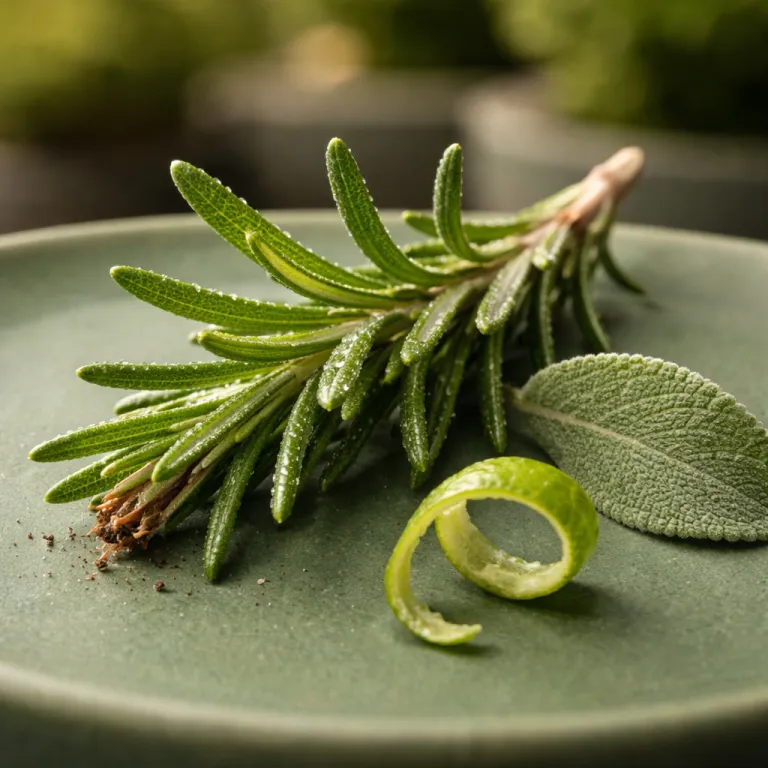
At the best luxury properties, the story of garden to glass hotel bar botanicals cocktails starts long before the first shake. A head gardener and a head bartender walk the same paths, tasting leaves, crushing stems and mapping which botanical will shine in which season for guests who care where their drink begins. By the time you sit at the bar, that quiet collaboration turns into an experience that feels both easy and meticulously staged.
These hyper-local cocktails rely on proximity, and proximity changes everything. When mint grows three metres from the ice well and a lemon tree leans against the terrace, the bartender can adjust a recipe leaf by leaf instead of case by case, which gives solo travelers a rare sense of intimacy with the place. You taste the garden in the glass, not a generic citrus note flown in from another continent, and that difference is why these drinks now anchor serious hotel bar programs.
In practice, the garden is no longer a decorative fringe around the property but a working pantry. Raised beds hold lime trees, rows of edible flowers and hardy ginger, while a small greenhouse shelters delicate botanicals that would never survive a harsh coastal wind. The general manager who understands this shift treats the bar as a living extension of the landscape, where each glass poured is a distilled snapshot of the soil outside.
Signature cocktails grown on site: Bowood, Heathrow and Mayfair
Some hotels have moved beyond rhetoric and built entire spirits programs around their land, turning garden to glass hotel bar botanicals cocktails into a defining signature. In Wiltshire, Bowood Hotel, Spa and Golf Resort works with a local distiller to produce an exclusive gin from estate grown botanicals, so every martini or gin and tonic poured in the bar carries the imprint of the surrounding parkland. When you gather at the counter there, the bartender can point to the exact garden bed where the juniper, angelica or seasonal botanical was clipped that morning.
At Hilton London Heathrow Airport, the team tends a compact kitchen garden and on site beehives that feed directly into its artisan gin and honey forward cocktails. The property is home to thriving colonies of bees, and their honey softens the edges of sharp lemon and lime in signature drinks, giving weary airport guests a surprisingly grounded experience between flights. Here, garden to glass thinking is not a marketing line but a logistics solution, reducing transport while turning a transient bar into a place worth lingering.
In Mayfair, 1 Hotel Mayfair’s Dover Yard bar builds its list around nature inspired cocktails that lean into foraged botanicals and low waste techniques. Elderflower, now the botanical flavour of the moment, threads through a series of drinks that balance vodka, gin or even wine based spritzes with fresh herbs and house ferments. As bar director Davide Segat has noted in interviews, guests increasingly “want to taste the city in the glass,” and this ethos runs through the menu. If you are planning a London stay focused on serious hotel bars where the drink is the destination, this property sits comfortably alongside the capital’s other heavy hitters featured in our guide to London hotel bars.
Elderflower, eggs and the new language of botanical flavour
Walk into any forward thinking hotel bar and you will notice how the language of flavour has shifted toward the garden. Elderflower now appears in garden to glass hotel bar botanicals cocktails as a bridge note, tying together sharp lime, soft honey and the green snap of fresh herbs. It is floral without being cloying, which makes it ideal for solo travelers who want complexity in the glass without palate fatigue after one drink.
Behind the scenes, bartenders are treating each botanical like a chef treats a key ingredient, testing how ginger syrup behaves with different styles of gin or how a clarified lemon and egg white cordial can lighten a vodka sour. Many menus now feature a series of drinks built around one plant family, so you might move from a bright garden glass spritz to a richer stirred cocktail that uses the same botanicals in a different register. This approach allows guests to understand the garden as a flavour library rather than a garnish tray.
Texture matters as much as aroma, which is where egg and egg white come in. A sustainably sourced egg white gives a silky foam that can carry delicate botanical oils, letting the bar showcase subtle notes from the garden without overwhelming them with sugar. For travelers watching their intake, many properties now apply the same techniques to low ABV serves, a shift explored in depth in our feature on mindful, low alcohol hotel cocktails.
From rooftop beds to foraging walks: how the guest experience changes
Choosing a hotel with a serious garden to glass hotel bar botanicals cocktails program changes how you move through the property. Instead of heading straight to the spa or gym, you might join a short garden tour where the head gardener and bar team explain which botanicals are in season and how they appear in that evening’s cocktails. For a solo explorer, this is an easy way to gather stories, meet staff and other guests, and feel anchored in a place within an hour of check in.
Some hotels schedule bartender led tastings in the garden itself, turning raised beds into an open air classroom. You might taste raw ginger, then sip a small pour of house infused gin, followed by a finished drink that layers honey, lemon and a single clipped herb, which makes the progression from soil to glass almost theatrical. These sessions often include suggested pairings designed to match small plates or canapés with each cocktail, so the experience feels more like a roaming dinner than a standard bar tasting.
Elsewhere, properties with rooftop gardens invite guests to pick their own garnish before heading to the bar. Choosing your own sprig of mint or edible flower may sound simple, yet it changes your relationship with the drink and with the bartender shaking it. For independent travelers who value connection over spectacle, these quiet rituals often matter more than a long wine list or a flashy lobby.
Sustainability in every pour: transport, waste and the quiet maths of luxury
Behind the romance of garden to glass hotel bar botanicals cocktails sits a hard headed sustainability logic. Growing botanicals on site slashes transport emissions, cuts packaging waste and gives the general manager more control over supply, which is crucial when a bar moves serious volume on peak nights. When a hotel can harvest its own lime leaves, herbs and edible flowers, it is less exposed to price spikes and shipping delays that can derail a carefully built menu.
Waste reduction is another quiet advantage. Citrus husks from lemon and lime are candied or turned into oleo saccharum, spent ginger becomes tea for staff, and surplus honey is fermented into shrubs that lengthen the life of seasonal fruit. Even egg shells from separating egg white for sours can be composted back into the garden, closing a loop that would otherwise end in a landfill bin behind the bar.
For guests, these details rarely appear on the booking page, yet they shape the feel of the stay. A property that invests in on site gardens, beehives and compost systems tends to think just as carefully about energy use, water and sourcing beyond the bar. If you care about how your indulgence aligns with your values, look for hotels where the bar is treated as a neighbourhood anchor, a role we unpack in our piece on hotel bars shaped by local regulars.
How to book a bar forward, garden driven stay on bar-stay.com
When you search for your next stay, treat the bar as a primary filter rather than an afterthought. On bar-stay.com, focus on properties that highlight garden to glass hotel bar botanicals cocktails in their descriptions, then read between the lines for mentions of rooftop gardens, on site greenhouses or partnerships with local growers. A serious program will usually name its botanicals, its house gin or vodka and sometimes even the gardener, not just list generic cocktails.
Once you have a shortlist, dig into how each hotel structures the guest experience around the bar. Look for language about tastings, garden tours, pairings designed with the kitchen or seasonal cocktail series that change as different botanicals come into their prime. If a general manager is quoted talking about the bar as a core part of the hotel’s identity rather than a revenue centre, that is usually a strong sign for bar focused travelers.
Before you book, email the property with a few precise questions. Ask which botanicals are currently in the garden, whether the bar team can accommodate egg free or low alcohol requests, and how they use honey, ginger, lemon and lime across the menu. The clarity and enthusiasm of the reply will tell you almost as much as the drink list itself, and it ensures that when you finally sit down at the bar, the glass in front of you reflects exactly the stay you wanted.
Key figures shaping garden to glass hotel bar programs
- Analysts estimate the global luxury travel market to be worth well over one trillion USD in the mid 2020s, according to reports from firms such as Statista and Allied Market Research, which underlines why hotels are investing heavily in distinctive bar experiences such as garden to glass programs.
- Hilton London Heathrow Airport maintains on site beehives, and their honey feeds directly into the hotel’s gin and cocktail program, illustrating how even airport hotels can integrate serious urban agriculture into the bar.
- Industry research from major hotel groups shows botanical flavours, led by elderflower, dominating new cocktail development, pushing properties to plant more diverse gardens and experiment with fresh infusions rather than relying on imported syrups.
- Specialist hospitality reports highlight a steady rise in hotels collaborating with local distilleries to create estate specific gin and vodka, turning the bar into a showcase for regional botanicals and reducing transport emissions associated with generic spirits.
FAQ: garden to glass hotel bars for discerning travelers
What is the garden to glass trend in luxury hotels ?
The garden to glass trend in luxury hotels refers to properties that grow their own botanicals and use them directly in cocktails and other bar serves. Hotels cultivate herbs, fruits and flowers on site, then integrate them into spirits, syrups and garnishes for the bar. This approach enhances freshness, supports sustainability and gives guests a more place specific drinking experience.
Which luxury hotels are known for serious garden driven bar programs ?
Several high end properties have become reference points for garden to glass hotel bar botanicals cocktails. Bowood Hotel, Spa and Golf Resort in Wiltshire produces an exclusive gin in partnership with a regional distillery using estate grown botanicals, while Hilton London Heathrow Airport crafts artisan gin using ingredients from its kitchen garden and beehives. In central London, 1 Hotel Mayfair’s Dover Yard bar focuses on sustainable, nature inspired cocktails built around seasonal botanicals.
How do garden to glass practices benefit hotels and guests ?
For hotels, growing botanicals on site reduces transport costs, packaging waste and supply chain risk, while creating a unique selling point in a crowded luxury market. For guests, the benefit is a more vivid sense of place, as each glass reflects the surrounding garden rather than a generic global supply chain. These programs also open up richer experiences such as garden tours, tastings and direct conversations with both gardeners and bartenders.
How can I tell if a hotel bar really follows a garden to glass philosophy ?
A genuine garden to glass program will be specific about its botanicals, its on site gardens and any collaborations with local distilleries or growers. Look for details about rooftop beds, greenhouses, beehives or foraging walks, and check whether the cocktail list changes with the seasons. If staff can explain where the herbs, citrus and honey in your drink come from, the philosophy is likely embedded rather than superficial.
What should solo travelers look for when booking a bar focused, sustainable stay ?
Solo travelers should prioritise hotels where the bar is clearly positioned as a social hub and where garden to glass hotel bar botanicals cocktails are central to the narrative. Seek out properties that offer tastings, classes or garden walks, as these provide natural ways to meet other guests and staff. Reading detailed bar reviews and asking the hotel about its botanicals and sustainability practices before booking will help ensure the stay matches your expectations.