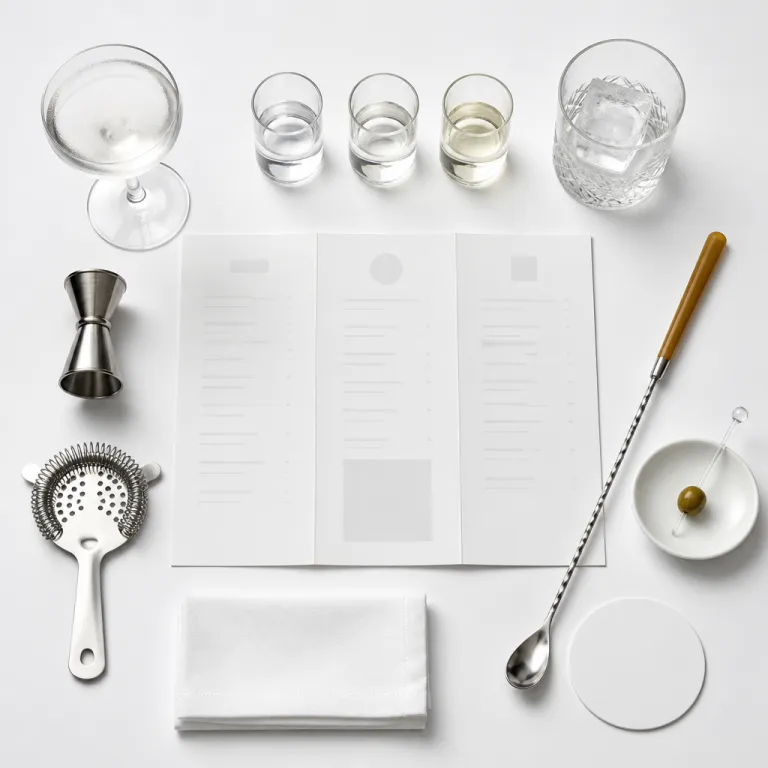
The hidden architecture of a luxury hotel bar cocktail menu
Walk into a serious hotel bar and the cocktail menu is never random. The way the drinks and spirits are arranged tells you how the bar team thinks about flavor, service, and the kind of evening your family will have. Read that list well and the menu becomes a quiet guide, steering you toward the best cocktail for your mood and your time.
On most luxury cocktail menus, you will see signature cocktails first, then twists on classics, and finally the straight classics at the back. This structure is the backbone of any guide to reading a hotel bar cocktail list, because it signals where the bar wants you to start and how adventurous the bartender expects you to be. When a hotel bar flips this order and hides its signatures behind a long list of classics, it often means the bar is still finding its identity or leans heavily on safe, high volume drinks.
Families booking the best hotel for a bar focused stay should scan the first page of the cocktail menu before looking at the room photo gallery. If the opening section feels tight, with eight to twelve drinks and clear ingredients listed, you are probably in a hotel bar that values a perfect balance between creativity and clarity. When the list sprawls across several pages without structure, the drink will rarely feel as considered as the décor or the view from your room.
Signatures first, classics last: what the running order really means
In a serious cocktail bar inside a luxury hotel, the first section is usually the house story. Those signature cocktails are where the head bartender stakes their reputation, using top shelf liquor, seasonal ingredients, and sometimes a playful nod to the city outside. Any honest tutorial on reading a hotel bar cocktail menu starts by teaching you to read this opening page as a manifesto, not just a list of drinks.
Look at how each signature cocktail is described on the menu and how the spirits are framed. A good bar will highlight the base spirit first, then the key ingredients, then a short flavor note such as "bright and herbal" or "rich, smoky, and savory". When you see only poetic names without a clear mention of the liquor or the style of drink, you are in a place that values theatre over transparency, which can frustrate travelers who want to choose quickly between several cocktails.
Classics usually sit toward the back of the cocktail menus, sometimes under a heading like "standards" or "from the american bar tradition". This is not an afterthought; it is a quiet promise that the bartender can execute a Negroni or a Manhattan as well as any best bar in New York City. At London’s Connaught Bar, for example, the Martini Trolley and house signatures lead, while a compact list of classics anchors the final pages, a pattern echoed in many grand hotel bars around the world.
Ingredient forward vs experience forward: how to decode the bar’s identity
Once you understand the running order, the next step in any hotel bar cocktail menu guide is spotting whether the menu is ingredient forward or experience forward. Ingredient forward menus are organized by spirit, with headings like gin, agave, whisky, or low alcohol, which suits travelers who already know the kind of drink they want. Experience forward menus are grouped by mood or flavor profile, using sections such as "bright and zesty" or "dark and contemplative", which can be easier for families choosing drinks together.
In an ingredient forward hotel bar, the bartender expects you to navigate by liquor first and flavor second. You might see a section of ten cocktails under rum, each with a short list of ingredients and a clear glass style such as coupe or rocks glass. This structure works well in classic hotel bars in London or New York City, where the cocktail scene is mature and guests often arrive with a favorite spirit already in mind.
Experience forward menus, by contrast, are more common in design led hotel bars in Asia or Scandinavia, where the bar restaurant often doubles as an all day social space. Here, the same spirit might appear in several cocktails across different mood sections, encouraging you to think about how the drink will feel rather than what it is technically made from. At Singapore’s Atlas Bar, for instance, guests can browse by flavor families and eras, a useful reference point when you compare that style with the menu in your current hotel bar.
Reading the fine print: umami, botanicals, and advanced mixology on modern menus
Modern luxury hotel bars are pushing far beyond simple syrup and citrus, and the menu language reflects that shift. Umami cocktails built around miso, kombu, fermented fruits, or mushroom reductions now appear in the top section of many lists, especially in Asia and progressive american bar programs. For families used to more classic drinks, a clear guide to hotel bar cocktail menus can turn this unfamiliar territory into a highlight rather than a misstep.
When you see ingredients like shio koji, black garlic, or tomato water in a cocktail description, you are in umami territory where the drink will often pair well with food from the bar restaurant. These cocktails tend to be stirred, served in a rocks glass, and built around darker spirits or fortified wines, aiming for a perfect balance between savory depth and gentle sweetness. If you are unsure, ask the bartender directly, because "What is a cocktail?" and "How to choose a cocktail?" are questions they answer every evening for guests who want to understand the ingredients before they book a second round.
Functional botanicals are also rising quietly on hotel bar menus, with adaptogens such as ashwagandha and nootropics like lion’s mane appearing in low alcohol or zero proof drinks. These cocktails are usually flagged with subtle icons or a wellness note, which matters for parents who want a thoughtful drink without overdoing the liquor. When a menu takes the time to explain these ingredients clearly, it signals a bar that respects informed choice and treats the cocktail menu as part of the wider hospitality experience.
Family friendly reading: photos, glassware, and signals of a guest centric bar
For a Premium Family traveler, the best hotel bar is not just about the strongest spirit or the darkest wood paneling. It is about how comfortably the bar space welcomes children early in the evening, how clearly the menu marks low alcohol and alcohol free drinks, and how easy it is to order without feeling rushed. A thoughtful guide to reading a hotel bar cocktail menu always reminds you that the room and the bar are part of one stay, not separate worlds.
Start by scanning the menu for a small photo or icon system that shows glass type, strength, and flavor profile. When a hotel bar uses clear symbols for tall, short, and stemmed glasses, it helps you judge whether a drink will feel like a slow sipping ritual or a refreshing pre dinner highball. This is especially useful when you are juggling children’s bedtimes and want one good cocktail that fits the moment, rather than three rushed drinks before the restaurant booking.
Next, look for a dedicated section for zero proof drinks and lighter cocktails, ideally placed near the top rather than hidden at the back of the list. That placement tells you the bar sees these drinks as part of its core offering, not an afterthought for drivers or pregnant guests. If the menu feels opaque or the staff seem impatient, you may want to rethink whether this is the best bar in the property for a relaxed family evening, and instead choose a lounge with a calmer view and a shorter, clearer cocktail menu.
When to go off menu: working with the bartender, not against them
Even the most detailed hotel bar cocktail menu guide will tell you that the real magic often happens just off the printed page. In the nightly rhythm of service, the key actors are simple; the Bartender crafts and serves cocktails, and the Patron orders and consumes drinks, usually following a timeline of arrival, ordering, and consumption. Respect that rhythm and the bartender usually has both the time and the goodwill to improvise a drink that fits your exact mood.
There are unwritten rules for going off menu in luxury hotel bars, and they start with timing and clarity. Ask for a custom drink when the bar is reasonably calm, explain the base spirit you enjoy, the level of sweetness you prefer, and whether you like your drinks short in a rocks glass or long and refreshing. As one internal training note puts it without flourish, "What is a cocktail?" is answered as "A mixed drink containing alcohol." and "How to choose a cocktail?" is answered as "Consider base spirit and flavors." while "What is a signature cocktail?" is answered as "A unique drink created by the bar."
When you book a stay specifically for the cocktail scene, you should also check how the bar positions itself before you arrive. Industry awards, bar guides, and hotel descriptions will often hint at whether the program is classic, experimental, or family focused. Once on site, do not forget to tip well, because in most hotel bars the bartender remembers the guests who respect the craft, and that respect often comes back to you in the form of a perfectly judged off menu drink on your second night.
Practical checklist: using the menu to choose the right hotel bar for your stay
By the time you sit down at the counter, the best hotel for your trip has already been chosen, but the right bar within that property might still be up for debate. Many large hotels now offer several bars and a bar restaurant, each with its own cocktail menu, liquor focus, and design language. A sharp hotel bar cocktail menu guide can help you decide whether the lobby bar, the rooftop, or the quieter lounge is the right space for your family that evening.
Start with price and length, because industry benchmarking by major hotel groups suggests an average cocktail price around 12 USD for a twenty item menu in upscale properties, though luxury hotels in New York City or London will sit higher. A compact list of twelve to twenty cocktails usually signals a focused program where each drink will have been tested for perfect balance, while a sprawling list of fifty drinks often hides inconsistency. Check whether the top shelf spirits are clearly named, whether simple syrup and other sweeteners are mentioned with restraint, and whether the menu explains any unusual ingredients in plain language.
Finally, read the room as carefully as you read the menu, because a good bar is always more than its printed list. Notice whether the bartender greets you promptly, whether the staff offer water without being asked, and whether they are happy to explain the difference between two similar signature cocktails without rushing. If those signals line up with a clear, well structured cocktail menu, you have probably found the best bar in the property for a relaxed, bar led evening that feels as considered as the room you chose when you first decided to book this hotel.
Key figures shaping modern hotel bar cocktail menus
- Industry surveys of hotel bars indicate an average of around 20 cocktails on a standard menu, which balances guest choice with the bar team’s ability to execute each drink consistently during busy evening service.
- Benchmarking reports from global hospitality groups highlight an average cocktail price close to 12 USD in mainstream upscale properties, with luxury hotel bars in major capitals often charging significantly more to reflect premium liquor and labor intensive preparation.
- Internal bar operation guidelines describe a typical guest journey as three clear stages — arrival, ordering, and consumption — which is why menus are designed for quick scanning, allowing most patrons to choose a drink within two to three minutes.
- Industry research on sustainable practices shows a steady increase in seasonal and low waste ingredients on cocktail menus, as hotel bars respond to guest demand for environmentally conscious drinking without sacrificing flavor or presentation.
FAQ: reading and using a hotel bar cocktail menu
How should I start choosing a drink from a long hotel bar menu ?
Begin by deciding on a base spirit you enjoy, such as gin, rum, or whisky, then scan the signature cocktails section for that spirit and read the short flavor descriptions to see whether you prefer something bright and citrus led or darker and more contemplative.
What is the difference between a classic cocktail and a signature cocktail on a hotel menu ?
A classic cocktail is a widely recognized recipe such as a Martini or Negroni, while a signature cocktail is a unique drink created by the bar that often reflects the hotel’s location, design, or culinary philosophy.
When is it appropriate to ask the bartender for an off menu drink ?
It is best to request an off menu drink when the bar is not at peak capacity, then clearly explain your preferred spirit, level of sweetness, and style of drink so the bartender can improvise efficiently without slowing service for other guests.
How can I tell if a hotel bar is family friendly just by reading the menu ?
Look for a clearly marked section of low alcohol and zero proof drinks near the front of the menu, straightforward language instead of obscure jargon, and signs that food and snacks are integrated into the offering, all of which suggest a more relaxed, inclusive atmosphere.
What should I ask if I do not understand an ingredient listed in a cocktail ?
Ask the bartender to explain how that ingredient affects flavor and texture, then request a small adjustment such as less sweetness or a different garnish if you are unsure, because most hotel bar teams are trained to guide guests through unfamiliar components.