Tokyo hotel bars guide best cocktails for a three night stay
Tokyo is a city where a single hotel bar martini can feel like a tea ceremony. In this refined Tokyo hotel bar guide, the best cocktails are framed as quiet rituals, shaped by Japanese precision and a near monastic respect for ice, glassware and silence. If you plan a three night stay in the city, Tokyo offers enough hotel lounges and rooftop bars to fill a month of evenings.
The official tourism board and hotel association listings suggest there are well over one hundred hotel bars in central Tokyo, so choosing the best bars demands focus. Start with Palace Hotel Tokyo (1-1-1 Marunouchi, Chiyoda-ku; Tel: +81-3-3211-5211), where Royal Bar anchors the lobby level and the head bartender treats every classic cocktail as a study in balance and temperature. This is the kind of cocktail bar where the bar landscape feels timeless, the martini is stirred around thirty times and the price per drink, often around ¥2,500–¥3,500 before tax and service, reflects that discipline.
Across the city skyline, Andaz Tokyo Toranomon Hills (1-23-4 Toranomon, Minato-ku; Tel: +81-3-6830-1234) lifts its Rooftop Bar to the 52nd floor and trades hushed carpets for open air and cinematic views Tokyo guests remember long after checkout. Here the cocktail menu leans into Japanese whisky highballs, seasonal drinks built around green tea and yuzu, and a concise list of champagne cocktails that match the sky high setting. One bartender notes that “most guests start with a highball, then ask for something off menu,” and for travelers using a luxury booking platform or concierge service, these hotel bars become anchors, helping you find not only a room but a bar where the bartender remembers your second drink before you ask.
From ginza to shibuya: reading Tokyo’s hotel bar landscape
Ginza and Shibuya sit only a few kilometres apart, yet their hotel bars feel like different cities. In Ginza Chuo, the classic hotel bar still rules, with polished wood, a quiet dining room nearby and a cocktail menu that reads like a history of Japanese whisky and French brandy. Over in Shibuya, hotel cocktail bars lean modern, with louder music, experimental cocktails and a younger bartender équipe that treats the bar as a laboratory.
Use this contrast as a compass when you plan which cocktail bar to visit each night. For a first evening, many travelers pair a refined Ginza hotel with a visit to New York Bar at Park Hyatt Tokyo (3-7-1-2 Nishi-Shinjuku, Shinjuku-ku; Tel: +81-3-5322-1234), technically in Shinjuku but spiritually aligned with Ginza’s formality. The bar, perched on the 52nd floor and usually open from early evening until late night, became globally famous through cinema, yet regulars still come for the drinks, the live jazz and the way the head bartender calibrates every cocktail to the room’s mood.
On a second night, shift toward the energy of bars Tokyo guests love around Shibuya and beyond, then return to the calm of your hotel bars upstairs. To make choices easier, think in simple lists: pick one classic hotel bar for martinis and whisky, one rooftop bar for views and champagne cocktails, and one experimental cocktail bar for creative signatures. Whether you prefer a standing bar with quick highballs or a deep leather stool and slow stirred cocktails, the city’s hotel scene offers both, often within the same block.
Pricing, value and how to read a Tokyo cocktail menu
Tokyo’s reputation for expensive drinks can intimidate first time visitors, yet the reality is more nuanced. A careful guide to Tokyo hotel bars and their best cocktails will show that the average price per drink in a five star hotel bar, often ¥2,000–¥4,000 before tax and service, reflects imported spirits, meticulous technique and generous snacks. Think of the price bar as an entry ticket to a few unhurried hours in one of the world’s most exacting cocktail cultures.
When you sit down, take a moment to read the cocktail menu the way locals do. Classic cocktails usually anchor the first pages, followed by seasonal drinks built around Japanese ingredients such as green tea, shiso or local citrus, and finally a compact list of Japanese whisky pours that can climb steeply in price. If you are unsure, ask the bartender to recommend a drink that balances your budget with the bar’s strengths, whether that means a simple highball or a signature cocktail layered with rare spirits.
For travelers comparing what a cocktail costs at the world’s top hotel bars, a detailed price guide can help frame expectations before you arrive. In practice, many guests alternate between higher priced drinks that showcase the bar’s craft and simpler drinks or coffee to extend the evening without doubling the bill. One frequent visitor describes it as “paying for two perfect cocktails, then letting a pot of tea buy you another hour at the counter.” The key is to treat every drink, from a single cocktail to a pot of sencha, as part of the experience rather than a rushed transaction.
Signature cocktails, Japanese whisky and the cult of precision
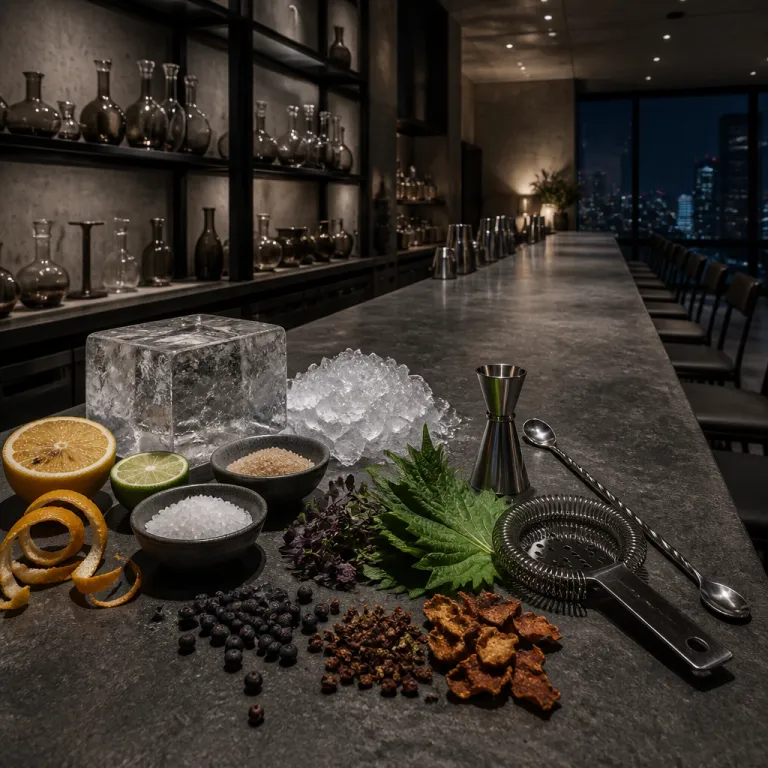
Japanese bartending philosophy prizes precision, minimalism and respect for the ingredient, and you feel this most clearly in signature cocktails. At serious cocktail bars inside luxury hotels, the head bartender often builds a menu around a few core spirits, with Japanese whisky and gin leading the list. Ice is carved by hand, citrus is cut to order and every drink is stirred or shaken with a rhythm that borders on meditative.
Tokyo’s hotel bars compete directly with legendary standalone names such as Bar High Five, Bar Benfiddich, Bar Trench, Bar Libre and Gen Yamamoto, and that rivalry quietly raises standards on both sides. A guest who has sipped a minimalist omakase style cocktail at Gen Yamamoto will expect the same clarity of flavour from a hotel cocktail bar, whether they order a martini, a whisky highball or a low alcohol drink built around green tea and soda. In response, many hotel bars now offer tasting flights of Japanese whisky, alongside cocktails that showcase single distilleries or regions.
This focus on detail extends beyond spirits to coffee and tea service, especially during afternoon tea in lobby lounges that transform into cocktail bars after dark. A pot of carefully brewed coffee or sencha can be as considered as any drink on the evening list, and the transition from day drinks to night cocktails feels seamless. For travelers who value this kind of continuity, a thoughtfully curated Tokyo hotel bar guide becomes a map not just to drinks, but to a philosophy of hospitality.
Views, rituals and how to choose the right bar centric hotel
Some travelers choose a hotel for the spa or the pool, but bar focused guests often start with the lounge. In Tokyo, that might mean booking Andaz Tokyo for its Rooftop Bar and sweeping views the city offers over the bay, or choosing Palace Hotel Tokyo because Royal Bar feels like a private club. Either way, the bar becomes the anchor of the stay, with the dining room, guest rooms and even the gym orbiting around that nightly ritual.
When you evaluate options on a luxury booking platform, look beyond the headline cocktails and ask how the bar fits into the property’s rhythm. Does the hotel offer a refined afternoon tea that eases into aperitivo hour, or is the focus on late night drinks with live music and a darker room? Are there quiet corners for solo travelers, or is the energy closer to a standing bar where guests mingle between tables and the counter?
For travelers who care as much about the bar as the bed, curated guides to hotels that decorate rooms with themed bar packages can help align expectations. You might choose a property in Ginza for its proximity to classic bars Tokyo regulars love, then spend one night exploring Shibuya’s more experimental cocktail bars before returning to your preferred hotel bar ritual. Over a three night stay, this balance between exploration and familiarity turns the city into a series of linked bar chapters, each framed by a different skyline.
Practical etiquette and how to move between Tokyo’s hotel bars
Navigating multiple hotel bars in one evening is part of the fun in Tokyo, but a few practical rules keep the experience smooth. Smart casual attire is the baseline dress code, and many properties quietly enforce it even when they do not state it at the door. As one local guide notes, “Dress code: Smart casual.”
Reservations are recommended at the most sought after hotel bars, especially on weekends or when a Michelin starred restaurant in the same building feeds pre dinner traffic into the lounge. Another local guideline is clear: “Reservations recommended.” and “Check age restrictions.”, which matters because most bars require guests to be at least twenty years old. When in doubt, ask your hotel concierge to call ahead, particularly if you plan to visit more than one cocktail bar in a single night.
Moving between districts is straightforward, with taxis and trains linking Ginza, Shibuya and other neighbourhoods in under thirty minutes. Many travelers start at a quieter hotel bar for a first drink, then head to a more energetic cocktail bar or standing bar nearby before returning to their own hotel for a final nightcap. This pattern lets you sample different slices of the bar landscape while still ending the evening somewhere familiar, ideally at a counter where the bartender already knows your preferred drink.
FAQ
What is the typical dress code for Tokyo hotel bars ?
Most upscale hotel bars in Tokyo expect smart casual clothing rather than formal wear. Jackets are appreciated in classic Ginza venues, while Shibuya properties are slightly more relaxed. Avoid sportswear and beachwear if you want to feel comfortable at the counter.
Do I need reservations for popular hotel bars in Tokyo ?
Reservations are strongly recommended for headline venues such as New York Bar at Park Hyatt Tokyo or rooftop bars with limited seating. Walk ins are sometimes possible early in the evening, but prime hours often fill quickly. Asking your hotel concierge to book a stool at the bar is usually the safest approach.
Are there age restrictions at Tokyo hotel bars ?
Yes, most hotel bars in Tokyo require guests to be at least twenty years old, which is the legal drinking age in Japan. Identification may be requested, especially for younger visitors. Families with teenagers should plan to meet in the lobby lounge or dining room instead of the main bar.
How expensive are cocktails at luxury hotel bars in Tokyo ?
Prices vary by property, but cocktails at top tier hotel bars generally sit at the higher end of the city’s range. The cost reflects imported spirits, meticulous technique and often live music or exceptional views. Many travelers balance one or two premium cocktails with simpler drinks such as highballs, coffee or tea.
Which Tokyo districts are best for hotel bars with strong cocktail programs ?
Ginza, Shinjuku and Shibuya each offer excellent hotel bars with distinct personalities. Ginza leans classic and formal, Shinjuku mixes cinematic icons with business traveler lounges, and Shibuya pushes more experimental cocktails. Choosing a hotel in one district and visiting bars in the others gives a rounded view of the city’s bar culture.