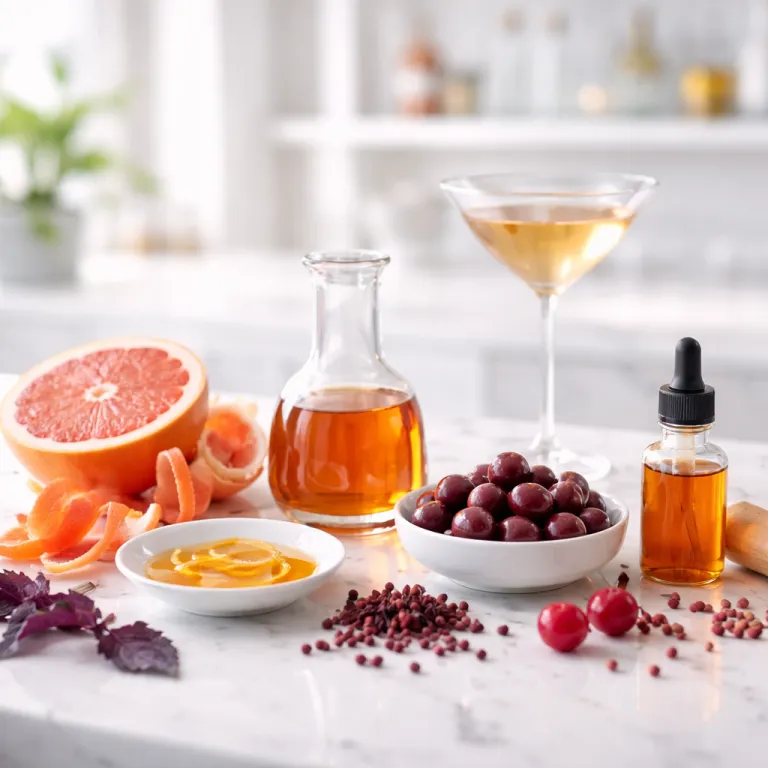
Why hotel bar martini cocktail trends 2026 start at the freezer door
Walk into Le Germain Hotel Toronto and the martini story starts before you even reach the bar. The Mercer Lounge has built its reputation around a freezer-door martini, a pre-batched cocktail resting at sub-zero temperatures for a pour that glides into the glass with almost no visible ice. For travelers tracking hotel bar martini cocktail trends 2026, this kind of temperature obsession signals a shift from garnish theatrics to quiet, technical precision.
Pre-batched martinis are not about cutting corners; they are about controlling dilution, texture, and how spirits express their flavors over the first ten minutes of your drink. Many bar teams now pre-dilute to around 18–22% water and chill bottles to roughly -6°C to -8°C, so when a bartender pulls a frosted artisan bottle from the freezer and measures out a martini built on gin or a gin–vodka blend, you taste a beverage calibrated for consistency, not speed, and that matters when you are judging a bar program in a luxury property. The best hotel bars now treat the martini as a litmus test for their entire cocktail list, from the way they handle ice to how they balance alcohol strength with low-alcohol options for sober-curious guests.
For you as a guest, this means asking very specific questions at check-in or when you first sit at the bar. Ask whether the house martini is stirred to order or pre-batched, and whether they use separate recipes for winter and summer drink trends to reflect seasonal ingredients and different levels of richness. If the bartender can talk confidently about their spirits, house syrups, and why their martini remains the benchmark cocktail in the room, you are in the right bar restaurant for a serious evening of drinks.
The martini as a hotel bar signature, not a default drink
Across luxury properties, the martini has moved from generic pre-dinner drink to the defining signature of the bar. Revere Hotel Boston leaned into this shift with its Martini “Up” Rising events, serving mini martinis at accessible prices so guests could taste several cocktails without committing to a full measure of alcohol each time. Those mini cocktails are central to hotel martini trends 2026 because they let travelers compare different spirits, from classic London dry gin to softer gin–vodka combinations, in a single sitting.
Mini servings also reshape how you read a menu in a high-quality hotel bar. Instead of one safe martini, you might try a crisp version built on citrus peels and lime juice, a richer option using red wine reduction and wine-based spirits, and a third that plays with low-ABV aromatized wine cocktails for a lower-alcohol path through the evening. This tasting-flight approach, often highlighted on the most forward-looking cocktail menus setting the standard at luxury hotel bars, turns the martini into a guided tour of the bar’s ingredients and technique rather than a background beverage.
For travelers who care about drink trends but also about how they will feel the next morning, this evolution is welcome. You can stay curious about cocktail culture while still choosing low-alcohol or even alcohol-free riffs that echo the same flavors and textures as the classics. When a hotel bar offers both full-strength and low-ABV martinis with equal care, it signals a program built for longevity, not just for one viral espresso martini moment.
From dirty and espresso martinis to clarity, chill, and balance
The dirty martini and the espresso martini dominated recent years, and many hotel bars rode that wave hard. Guests still order both cocktails, but hotel bar martini cocktail trends 2026 show a clear pivot back toward transparent drinks where you can see the quality of the ice and the exact line of the liquid in the glass. The focus now is on clarity of flavors, precision of dilution, and how the first sip feels on your palate rather than on maximalist toppings.
Temperature is the new obsession, and serious bars treat it almost like a science experiment. Bartenders talk about the size and density of their ice, how long they stir each cocktail—often 20 to 30 seconds over large-format cubes—and how quickly they want the beverage to warm once it hits the table, because a martini that starts too warm or too diluted will never recover. In properties that care deeply about spirits-and-wine pairings and spirits-driven cocktails, you will see separate freezers for martini glassware, dedicated wells for different styles of ice, and even pre-chilled mixing glasses to keep every second of contact under control.
This technical focus does not mean the drinks feel clinical. A well-chilled gin martini with a twist of citrus peels can still feel lush and indulgent, especially when paired with a small plate at the bar restaurant or enjoyed while you watch the lobby’s evening ritual unfold. As global awards and lists such as The World’s 50 Best Bars shine a brighter light on hotel properties, the martini remains the quiet benchmark by which serious travelers judge whether a bar understands both restraint and pleasure.
Regional martini styles, from Japanese precision to Italian aperitivo ease
Order a martini in Tokyo, Milan, and London, and you will meet three very different philosophies in the same shaped glass. Japanese hotel bars tend to treat the cocktail as a near ceremonial beverage, with bartenders focusing on the arc of the stir, the sound of ice in the mixing glass, and the exact angle at which the drink is presented on the bar. For travelers following martini programs in luxury hotel bars, this Japanese precision offers a masterclass in how small details change the way spirits and ingredients express themselves.
In Italy, the martini often leans toward the aperitivo tradition, lighter in alcohol and sometimes shaded with sparkling wine or aromatized wine cocktails that stretch the drink into a longer, more sociable experience. You might find a low-ABV martini built on vermouth, citrus peels, and a restrained measure of gin, served alongside small plates that showcase fresh ingredients and regional flavors rather than heavy winter comfort food. These drinks suit guests who are sober curious or simply pacing themselves through a long evening of drinks and conversation in the hotel bar.
London and many North American cities still favor a stirred-down, spirit-forward style, but even there the trend is toward balance rather than brute strength. Bartenders are dialing back the alcohol content slightly, using house syrups with savory notes, and letting ingredients add nuance without overwhelming the base spirits. Whether you prefer a classic gin martini, a softer gin–vodka version, or a modern low-alcohol riff, understanding these regional trends helps you choose hotels whose bar programs match your own travel rhythm.
Glassware, garnish stations, and the rise of personalized martinis
The martini glass has become a quiet battleground in luxury hotel bars. Some programs cling to the classic V shape, others favor the coupe, and many of the most progressive properties now pour into a smaller Nick & Nora glass that keeps the beverage colder for longer. For guests tracking hotel bar martini cocktail trends 2026, the glass choice tells you how seriously the bar takes temperature, dilution, and the overall arc of your drink.
Personalized garnish stations are the other major shift, turning the final touch of your cocktail into a small ritual. At some properties, you will be invited to choose from bowls of citrus peels, fresh herbs, salts, and spices, deciding how your martini is finished at the bar rather than in the back station, which subtly changes your relationship with the drink. This trend, inspired by conceptual garnish bars and interactive cocktail service, gives travelers a sense of control while still relying on the bartender’s guidance about which ingredients add brightness, bitterness, or aromatic lift.
Glassware and garnish might sound like surface details, but they shape how you pace your evening. A smaller glass encourages you to order more mini cocktails and explore different spirits, from gin to vodka to wine-spirits-based aperitif-style martinis, without overcommitting to alcohol. When a hotel bar offers both classic service and playful garnish options, it signals a program confident enough in its fundamentals to let guests participate in the final flourish.
Zero proof martinis, sober curious travelers, and Napa’s Arbor Martini
Not every guest wants a full-strength martini, and the smartest hotel bars have stopped treating that as a compromise. Silverado Resort in Napa Valley has become a reference point with its Arbor Martini, a zero-proof drink built on local citrus and layered flavors that mimic the structure of a classic cocktail without the alcohol. For travelers watching hotel bar martini cocktail trends 2026, this kind of thoughtful non-alcoholic option shows that the martini remains relevant even for sober-curious guests.
Zero proof does not mean flavor free, and the best programs treat these drinks with the same respect as their spirit-forward counterparts. Bartenders use high-quality ingredients, from clarified juices and house syrups to carefully measured lime juice and citrus peels, to build beverages that feel adult and complex in the glass, not like sweet soft drinks. Many menus now list low-ABV martinis alongside fully alcohol-free versions, giving you a spectrum of drink trends to match how you want to feel at the end of the night.
For solo travelers, this flexibility is especially valuable. You can start the evening with a classic gin martini at the bar, shift to a low-alcohol wine-cocktail riff with sparkling wine and aromatized wine over dinner, then finish with a zero-proof Arbor-style drink before heading upstairs. When you are choosing where to stay, look for hotels that highlight non-alcoholic cocktails on their websites or in reviews, and consider using curated guides to exceptional and unique places to stay for discerning guests to find properties where the bar program respects every kind of drinker.
Key statistics shaping the martini focused hotel bar landscape
- Industry surveys cited by Bar Magazine indicate that a clear majority of consumers now say they value memorable drink experiences when choosing where to spend an evening, which helps explain why so many hotel bars are investing in distinctive martini programs.
- Analysts tracking the non-alcoholic spirits category, including education platforms such as Beverage Academy and Getbackbar, report steady year-on-year growth in alcohol-free products, and this expansion underpins the rise of zero-proof martinis like Silverado Resort Napa’s Arbor Martini.
- Hotel groups report internally that themed martini events and mini martini flights, such as Revere Hotel Boston’s Martini “Up” Rising, can significantly increase bar revenue on event nights compared with standard service periods.
- Properties that collaborate with local distilleries and culinary experts on martini-focused menus often see higher guest engagement with bar events, which supports the broader goal of differentiating their bar restaurant offering from nearby competitors.
FAQ about martinis in luxury hotel bars
What is a pre batched martini in a hotel bar context ?
A pre-batched martini is a cocktail prepared in advance and stored, usually chilled, so the bartender can pour it directly from the bottle for consistency and speed. In serious hotel programs, these drinks are measured and diluted carefully before chilling, often to a target dilution similar to a stirred drink, which means the martini arrives at your table perfectly balanced. You still get a high-quality beverage, just with less waiting time and more reliable results across multiple orders.
What are zero proof martinis and who are they for ?
Zero-proof martinis are non-alcoholic beverages that mimic the structure, flavors, and presentation of traditional martinis without using spirits. They are designed for sober-curious guests, travelers pacing their alcohol intake, or anyone who wants the ritual of a bar cocktail without the effects of alcohol. Silverado Resort Napa’s Arbor Martini is a strong example, using local citrus and layered ingredients to create a complex drink in a classic martini glass.
What is a mini martini and why are hotels serving them ?
A mini martini is a smaller serving of a traditional martini, often poured into petite glassware so guests can try several variations in one sitting. Hotels like Revere Hotel Boston have used mini martinis in events such as Martini “Up” Rising to encourage exploration of different spirits, flavors, and drink trends at lower price points. For travelers, mini martinis offer a way to sample multiple cocktail styles without overconsuming alcohol.
How can I tell if a hotel bar takes martinis seriously ?
Look for signs such as chilled glassware, clear communication about the base spirits, and a menu that offers both classic and modern martini styles. Bartenders should be able to explain their ice choices, dilution approach, and whether they use house syrups or local-ingredient add-ons to shape the flavors. A strong martini program usually indicates that the rest of the cocktails and drinks will be handled with similar care.
What is “The Devil’s Martini” mentioned in some hotel bar menus ?
“The Devil’s Martini” is a playful, branded martini variation that some luxury hotel groups have introduced as part of limited-time campaigns inspired by fashion and film culture. When you see it listed, you can expect a carefully themed experience that still respects the fundamentals of a well-made martini: cold temperature, controlled dilution, and a clear point of view on flavor.