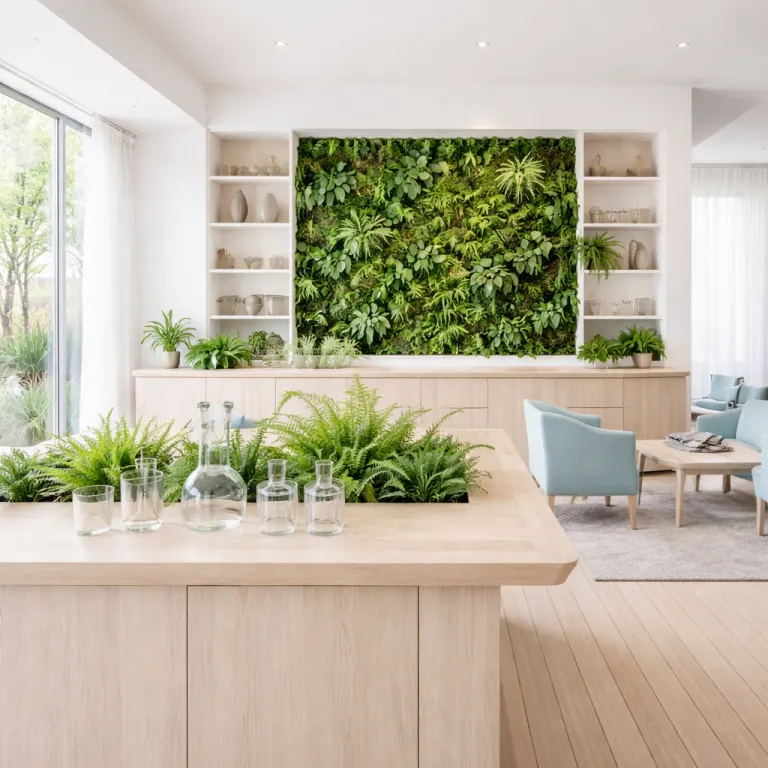
Why biophilic hotel bars feel better than any lobby lounge
Step into a biophilic hotel bar and your shoulders drop instantly. These spaces use biophilic design to create a quiet psychological reset, weaving nature into every element of the interior so guests feel calmer and more present. In luxury hospitality, that shift matters because a relaxed guest lingers longer, explores more design ideas and often spends more at the bar and restaurant.
Biophilic design is simply design that connects people with nature through natural elements. Research on biophilic environments shows measurable benefits for guest experiences, including reduced stress levels and better mood, which is why leading design hotel brands now brief architects to integrate natural light, greenery and water into every bar interior. In hotels that take this seriously, the bar becomes a nature inspired retreat rather than a noisy transit zone between check in and the restaurant.
Modern interiors often lack natural elements, especially in dense city hotels where windows are small and building materials are hard and reflective. By contrast, a biophilic hotel bar uses plants, warm timber, stone and soft fabrics to create a more human scale interior design that feels both stunning and quietly familiar. Families notice the difference quickly ; children settle into a corner banquette near the terrace, while an adult guest gravitates toward a seat where natural light washes across the bar design and the greenery softens the acoustics.
The psychology of nature in the glass and in the room
Biophilic hotel bar design nature is not a style trend ; it is a response to how our brains work. Humans are wired to respond positively to natural elements such as water, plants and daylight, and even a modest bar interior that integrates natural textures can feel more restorative than a larger but sterile lounge. Studies on biophilic design environments report a reduction in stress levels due to biophilic design of around 12 %, which translates directly into longer dwell times and more relaxed guest experiences.
For hotel owners, that extra half hour at the bar matters because it often means another round of garden to glass cocktails or a dessert shared from the restaurant interior menu. Families benefit too, since a nature inspired bar biophilic space gives children visual anchors — a living wall, a small water feature, a cluster of hanging plants — that keep them engaged while adults talk. When interior design teams integrate natural light, soft building materials and greenery, they create a bar design that feels safe and welcoming for every guest, not just cocktail aficionados.
Designers like Tabitha Organ, founder of Tabitha Isobel studio, specialize in biophilic design and work with hospitality consultants to align psychology with aesthetics. Her projects show how to integrate natural materials such as timber and stone, then layer in plants and subtle light to create a bar interior that slows the pace of a busy city stay. This is where biophilic hotel concepts move beyond décor ; they become a hospitality strategy that quietly increases comfort, loyalty and time spent in the restaurant and bar.
Design moves that turn a hotel bar into an urban garden
The most convincing biophilic hotel bar design nature schemes start with structure, not accessories. Architects plan for generous natural light, specify organic building materials and carve out indoor outdoor transitions so the terrace feels like an extension of the bar interior rather than an afterthought. When these elements align, the result is a stunning yet grounded design bar that guests remember long after checkout.
Look for living walls behind the counter, where greenery frames the back bar instead of mirrored glass and chrome. Some design hotel properties suspend plants above the bar, using concealed light to create a soft canopy that glows at dusk and makes every cocktail feel like part of a garden ritual. Others run a narrow rill of water along the restaurant design edge, so the sound of moving water subtly masks conversation and turns a busy hospitality space into a calm refuge for a tired family guest.
Materials matter as much as layout in biophilic design because they shape how a surface feels under the hand. Natural stone, limewashed plaster and timber with visible grain help integrate natural cues into every touchpoint, from the bar top to the restaurant interior banquettes. When you see a bar biophilic concept that pairs these materials with generous plants and a terrace that blurs indoor outdoor boundaries, you are looking at interior design that has been crafted to support both design explore ambitions and real world guest comfort.
From garden to glass: when cocktails match the room
The most ambitious biophilic hotel bars align what is in the glass with what surrounds it. A garden to glass program that uses herbs from the terrace and citrus grown on site feels authentic only when the bar design and restaurant design also integrate natural elements in a visible, tactile way. When the interior and the menu tell the same nature inspired story, guests sense the coherence immediately and trust the hospitality vision.
In practice, that might mean a bar interior where the garnish station sits beside a row of potted plants, so the bartender cuts mint from the same greenery you have been admiring all evening. It might mean a restaurant interior where the salad leaves echo the species climbing the trellis outside, or where the mocktail list for younger guests references the trees shading the terrace. This is design biophilic thinking applied across departments, not just a few ferns placed near the hotel lobby for effect.
Some of the most refined examples appear in cities where space is tight and natural light is precious, such as Tokyo, where properties like Soho House Tokyo show how a members club aesthetic can still integrate natural materials and soft planting around a serious cocktail program. When you evaluate a biophilic hotel for a family stay, look for this alignment between bar design, restaurant design and menu language because it signals a deeper commitment to guest experiences. A hotel that takes the time to create these connections usually pays equal attention to comfort, acoustics and the needs of every guest at the table.
How to choose a nature led hotel bar for families
For a premium family, the right biophilic hotel bar design nature can make the difference between a rushed drink and a nightly ritual. Start by scanning photos for natural light, visible plants and a genuine indoor outdoor relationship between the bar, the terrace and any adjacent restaurant. If the images show only dark timber, heavy drapery and no greenery, the design ideas are probably still rooted in the traditional, enclosed hotel bar model.
Next, read how the property describes its interior design and hospitality philosophy, paying attention to mentions of biophilic design, natural elements and sustainable building materials. Hotels that truly integrate natural features will often highlight partnerships with interior designers or architects who specialize in biophilic hotel concepts, and may reference indoor gardens or reclaimed timber in the bar interior. When you see these details, you can be confident that the design bar has been planned as a place where a guest can linger with children, not just a pre dinner holding pen.
Finally, consider how the space will feel at different times of day for your family. A bar biophilic setting with flexible seating, soft light and a terrace that welcomes children in the late afternoon can serve as a living room away from home, while still transforming into a vibrant adults focused bar design later at night. When a design hotel manages that balance, it proves that biophilic design is not only about aesthetics ; it is about creating layered guest experiences where every guest, from the youngest to the most seasoned traveler, feels quietly held by nature.
FAQ
What is biophilic design in a hotel bar context ?
Biophilic design in a hotel bar context means using natural elements such as plants, water, daylight and organic materials to create a stronger connection with nature. Designers integrate natural light, greenery and tactile building materials like timber and stone into the bar interior and restaurant interior. The goal is to enhance guest experiences by making the space feel calmer, healthier and more engaging for every guest.
Why are biophilic hotel bars especially good for families ?
Biophilic hotel bars tend to be brighter, softer and more visually stimulating than traditional dark lounges, which helps children feel at ease. Natural elements such as plants, water features and views to a terrace give younger guests something to focus on while adults enjoy a drink or a meal. For premium families, this combination of comfort, visibility and nature inspired design ideas can turn the bar and restaurant into a shared daily ritual rather than an adults only zone.
How can I tell if a hotel bar truly uses biophilic design ?
Look for more than a few potted plants near the counter or in the lobby. Genuine biophilic design will show up in the architecture, with generous natural light, indoor outdoor connections, substantial greenery and natural materials used throughout the bar interior and restaurant design. Hotels that are serious about biophilic hotel concepts often mention indoor gardens, reclaimed timber or collaborations with biophilic design specialists in their descriptions.
Does a nature focused bar mean the space will be too bright or noisy at night ?
Not necessarily, because well planned biophilic hotel bar design nature balances daylight with layered artificial light that can be dimmed in the evening. Designers use plants, textiles and textured building materials to absorb sound, so the space can feel intimate even when it is vibrant. Many design hotel properties create zones, allowing families to enjoy earlier hours while later service shifts toward a more atmospheric bar design without losing the connection to natural elements.
How does biophilic design affect what is served at the bar and restaurant ?
In many leading properties, biophilic design goes hand in hand with garden to glass and farm to table programs. Bars and restaurants that integrate natural elements into their interiors often extend the same philosophy to ingredients, growing herbs on the terrace or sourcing produce from nearby farms. This alignment between menu and interior design strengthens the overall hospitality story and gives guests a more coherent, nature inspired experience.