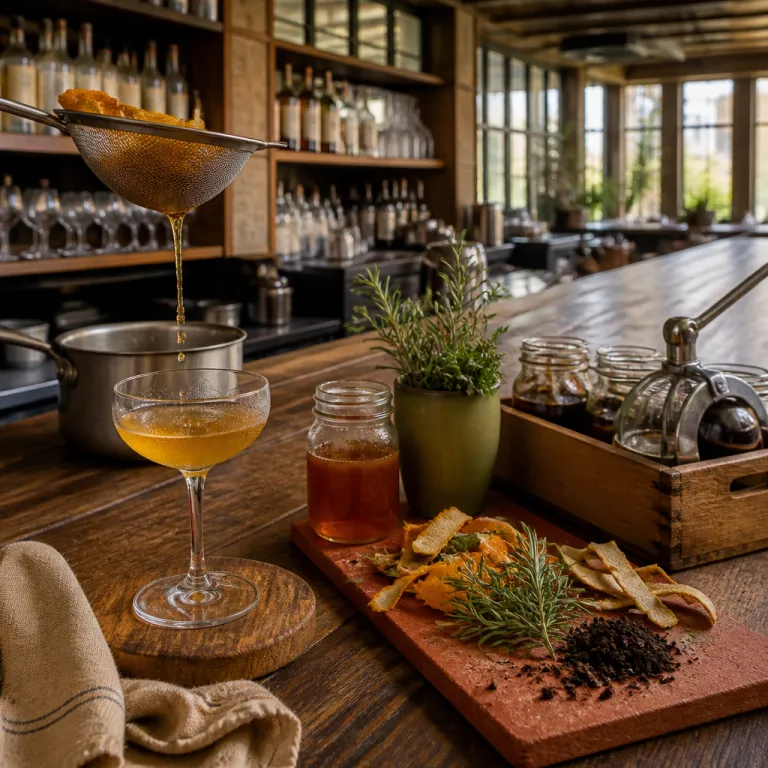
The rise of the zero waste cocktails sustainable hotel bar
Luxury travelers now expect a drink that tastes good and does good. In the most forward thinking properties, the zero waste cocktails sustainable hotel bar has become a quiet manifesto for how hospitality can reduce waste without sacrificing pleasure. This shift in the hospitality industry links sustainability with sensuality, not sacrifice.
At its core, a zero waste approach means every cocktail and every drink is designed to use ingredients fully, from citrus peels to spent coffee grounds. Instead of sending food offcuts to the bin, bars fold them into beverage programs that treat waste as a resource and not a problem. These sustainable practices turn the bar into a laboratory where sustainability and flavor share the same station.
For couples booking a romantic stay, this matters more than a paper straw or an eco friendly slogan. A genuinely sustainable bar shows its values in the ice it carves, the local ingredients it sources, and the way it uses lime juice, citrus, and oleo saccharum made from peels that once lined the prep board. The result is a sustainable cocktail list where zero waste is not a marketing line but a daily discipline behind the counter.
From kitchen scraps to signature pours: how closed loop bars work
The most interesting hotel bars now operate as closed loop systems with the kitchen. In these properties, chefs and bartenders share a single waste mindset, treating every citrus peel, herb stem, and bread end as potential cocktail ingredients rather than inevitable waste. The link between pass and bar rail becomes a pipeline for creativity and waste reduction.
Zero waste cocktails gaining popularity, and bars collaborating with kitchens for sustainability, and innovative use of food scraps in beverages. Head Bartender Kim Stodel at Providence in Los Angeles, bartender Matt Whiley at Re in Sydney, and Chief Mixologist Daniel Beedle at Birch & Bloom in Charlottesville all show how a waste cocktail can become a signature drink when the bar trusts its own scraps. Their programs prove that sustainable cocktails can be both technically rigorous and quietly luxurious.
In practice, that might mean turning citrus peels into oleo saccharum, fermenting pineapple cores into a bright beverage component, or clarifying surplus juice from the breakfast buffet into a crystal clear highball. A thoughtful beverage director will map every stream of food waste, then design sustainable bar recipes that reduce waste while elevating flavor in both single cocktail serves and large format cocktails. If you want to go deeper into eco friendly spirits that support these programs, the guide to hotel bars leading the sustainability pour is an essential companion.
Inside the glass: techniques that turn waste into luxury
Zero waste in a luxury bar is not about rustic improvisation ; it is about precision. The best cocktail bars use dehydrators, fermentation vessels, and careful batching to transform waste cocktails from a worthy idea into a polished experience. Every sustainable cocktail on the menu must feel as considered as the room rate upstairs.
Take citrus as a starting point, because citrus peels and leftover juice are among the biggest sources of bar waste worldwide. Instead of squeezing lime juice once and discarding the rest, eco conscious teams freeze, clarify, or blend it into cordial style beverage components that extend shelf life and reduce waste dramatically. Oleo saccharum made from citrus peels becomes a fragrant backbone for sustainable cocktails, while candied peels garnish drinks in both classic and contemporary bars.
Ice is another quiet frontier of sustainability in the hospitality industry. A serious sustainable bar will cut blocks so offcuts chill staff drinks or prep, not the drain, and some beverage programs even refreeze clean meltwater for non guest uses. When you see a bar using local ingredients, house ferments, and smart ice practices, you are looking at sustainable practices that run deeper than a menu note about eco friendly intentions.
Where to drink: hotel bars leading the zero waste charge
Several hotel aligned programs now anchor the global conversation around the zero waste cocktails sustainable hotel bar. Providence in Los Angeles, where Kim Stodel leads a zero waste cocktail program, shows how fine dining hospitality can turn kitchen scraps into quietly radical drinks. Birch & Bloom in Charlottesville, guided by Chief Mixologist Daniel Beedle, threads local food systems into every drink on the list.
Re in Sydney, operated by bartender Matt Whiley, is often cited as a benchmark waste bar for its uncompromising focus on sustainability and design. Here, waste cocktails are not a side project but the entire identity, with furniture, menus, and beverage programs all built around waste reduction and eco conscious thinking. The bar proves that a sustainable bar can feel as polished and romantic as any classic hotel lounge.
For couples planning a trip, these names become reference points when scanning cocktail bars in new cities. Look for hotels where the beverage director talks openly about zero waste, local ingredients, and sustainable practices, not just seasonal flavors and imported spirits. When you plan your next stay around a serious bar, guides such as the curated list of hotel bar openings worth booking around help you align your room key with a barstool that matches your values.
How to read a menu and choose the right sustainable bar
When you sit down at a hotel bar, the menu quietly tells you how seriously the team takes sustainability. Look for clear references to zero waste techniques, such as re used citrus peels, house made cordials, or oleo saccharum built from kitchen trimmings. A bar that lists local ingredients by name usually has a stronger link to nearby farms and food producers.
Ask how the bar handles waste, because a confident bartender will happily explain their sustainable practices in plain language. You might hear how breakfast buffet juice becomes a clarified spritz, how lime juice is preserved through acid adjustment, or how a waste cocktail special rotates based on that day’s prep. These details show that sustainability is part of daily hospitality, not a one off marketing campaign.
Pay attention to how the story is told, since the best bars avoid sounding preachy or technical. They frame sustainable cocktails as an upgrade in flavor and texture, not a compromise, and they keep the romance of the drink front and center. When a team speaks naturally about eco friendly choices, waste reduction, and the pleasure of a well made drink, you have likely found a zero waste cocktails sustainable hotel bar worth building a trip around.
FAQ
What are zero waste cocktails in a hotel bar context ?
Zero waste cocktails in a hotel bar are drinks designed so that every possible part of the ingredients is used, from citrus peels to herb stems. They rely on techniques such as fermenting, dehydrating, and clarifying to reduce waste while maintaining luxury level flavor. In many leading properties, hotel bars repurpose kitchen scraps into cocktails to reduce waste, enhance sustainability, and create unique drinks.
Which hotel related bars are known for serious zero waste programs ?
Providence in Los Angeles, where Kim Stodel leads a zero waste cocktail program, is widely referenced for its collaboration between kitchen and bar. Re in Sydney, operated by Matt Whiley, is a dedicated zero waste bar that has influenced many hotel beverage programs globally. Birch & Bloom in Charlottesville, guided by Daniel Beedle, integrates local food systems and waste reduction into its cocktail list.
Why are zero waste cocktails important for the hospitality industry ?
Zero waste cocktails are important because they reduce environmental impact while elevating the guest experience. By treating food scraps as ingredients, bars can reduce waste, support local producers, and create distinctive flavors that justify premium pricing. They also signal that the hospitality industry is taking sustainability and eco conscious practices seriously, beyond surface level gestures.
How do zero waste practices affect the taste of a drink ?
Zero waste practices often deepen flavor, because they encourage bartenders to extract every possible nuance from ingredients. Oleo saccharum from citrus peels, clarified juice from surplus fruit, and ferments from kitchen offcuts can all add complexity and texture to cocktails. When executed well, a sustainable cocktail should taste more layered and interesting than a conventional drink, not less.
How can guests support sustainable hotel bars when they travel ?
Guests can support sustainable hotel bars by choosing properties that communicate clear sustainability goals and by ordering drinks from the zero waste section of the menu. Asking informed questions about local ingredients, waste reduction, and eco friendly practices encourages teams to keep investing in these programs. As one practical guideline notes, visit bars known for zero waste cocktails, inquire about sustainability practices, and support establishments prioritizing eco friendly initiatives.