How Bar‑Forward Design Transforms Modern Luxury Hotels
- Use the lobby bar layout as a quick filter when comparing premium hotels.
- Hidden speakeasy concepts can outperform several guest rooms on revenue per square metre.
- Strong bar experiences drive better reviews, higher rates and more resilient hotel performance.
The lobby bar thesis: where the stay really starts
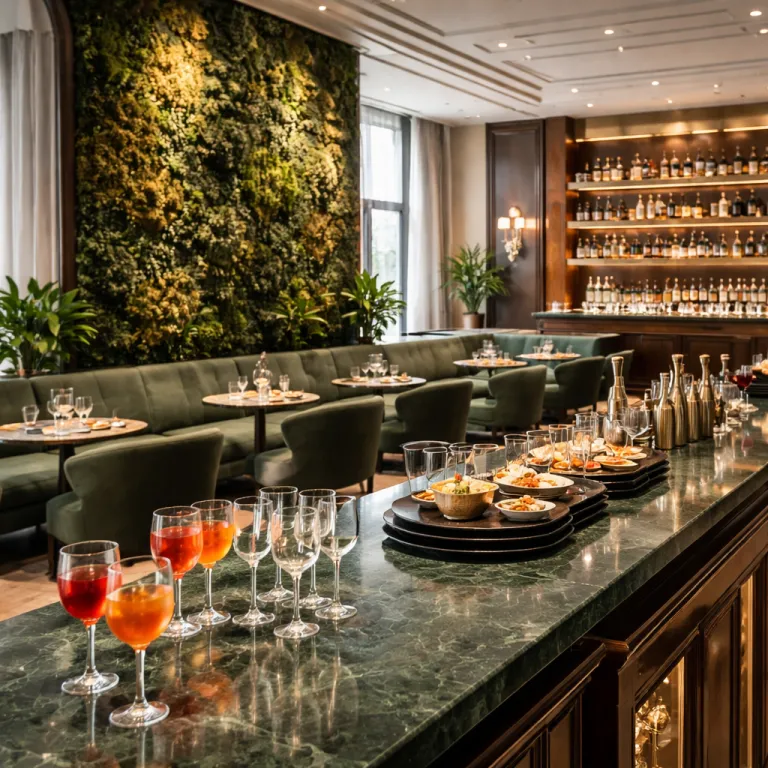
Walk into a serious luxury hotel and the first signal is not the chandelier, it is the bar. When a hotel bar sits at the heart of the lobby rather than hidden off a corridor, the entire hospitality script changes and guests instinctively slow down, look up and often order a first drink before they have even reached the room. That single design decision is the quiet engine of any ambitious bar revenue strategy, because it turns arrival into an experience rather than a transaction.
For travelers booking premium hotels, this lobby choreography matters more than the check in desk flowers. When the space feels alive, with considered seating clusters and a bar that faces the entrance, guests read the brand as confident, generous and ready to host, which directly influences their perception of rate fairness and service quality. In the United States and in global business hubs such as Los Angeles, general manager teams now brief interior designers to treat the lobby bar as the primary room, because they see how this layout lifts both bar restaurant revenue and overall guest satisfaction scores.
Design is not decoration here, it is management strategy in three dimensions. Modular seating allows hospitality businesses to flex between solo laptop guests at 16.00 and pre dinner crowds at 19.30, while acoustic zoning keeps the energy high without drowning conversations. According to specialist research on hotel bar design, “Effective design increases guest dwell time and spending. (Mingsun Group, ‘Bar Design ROI in Hotel Bar Design’, 2023)”, and that logic is exactly what the smartest hotels apply when they align lobby design trends with revenue management goals.
For you as a guest choosing between hotels on a booking website, this lobby bar thesis is a practical filter. Look closely at photography and floor plans on any guide hotel style platform and ask where the bar actually sits in relation to the entrance and lifts. If the hotel bar is central, with generous circulation and layered seating rather than a few stools pushed against a wall, you can expect higher service energy, better food and beverage options and a more sociable experience even on a tight business schedule.
The economic realities behind this are simple but powerful. A centrally placed bar in a luxury hotel can capture both in house guests and local business traffic, which means bar revenue is less exposed to room occupancy swings. That resilience allows management to hold average daily rates with more confidence, while still offering value through a richer bar experience that feels inclusive whether you are staying three nights or just meeting a client for one drink.
Speakeasy economics and the price of a perfect pour
Step past an unmarked door off a hotel lobby and the air changes before the lighting does. Speakeasy style hotel bars have become the sharp edge of hotel bar revenue design strategy 2026, using scarcity and theatre to justify premium cocktail pricing that still feels fair to a well traveled guest. When a bar makes you feel like you have been let in on something, the perceived value of every pour rises faster than any room upgrade.
In cities from Los Angeles to Singapore, luxury hotels now run a dual bar strategy, pairing an open lobby bar with a smaller hidden room that trades on intimacy and craft. These spaces are where control play becomes very real for the general manager, who can calibrate seating counts, reservation policies and minimum spends with precision, often achieving double digit percent uplifts in average check compared with the main bar. For the guest, the result is not just higher rates on the cocktail list but a deeper sense that the brand understands how they want to drink, talk and decompress after a long business day.
Speakeasy economics also reshape how real estate is valued inside the hotel. A 60 square metre room carved from back of house storage and turned into a 24 seat bar can outperform several standard rooms on revenue per square metre, especially when food and beverage menus are tightly curated and labour is shared with the main bar. At one business hotel in Singapore, for example, converting a low yielding meeting room into a 22 seat speakeasy lifted bar revenue per square metre by just over 40 % within twelve months, while also increasing overall guest satisfaction scores for the property’s evening experience. A comparable pattern was reported at the Mondrian Singapore Duxton, where a former events space was repositioned as the Jungle Ballroom cocktail bar in 2022, with management citing significantly higher beverage revenue per square metre in internal briefings.
For travelers scanning a booking site, the presence of both a lobby bar and a more intimate bar restaurant concept is a strong signal of a hotel that takes hospitality seriously. You are not just booking a room and a breakfast rate, you are buying into a layered bar ecosystem that can support a quiet solo nightcap or a full client entertainment evening without leaving the property. If you care about mindful drinking and low alcohol options, look for hotels whose bar narratives echo the kind of thinking explored in recent analyses of mindful indulgence and low ABV cocktails, because those brands tend to treat the bar as a long term relationship rather than a quick margin grab.
From a trends hospitality perspective, the rise of speakeasy style hotel bars is also reshaping how hotels talk about themselves on social media. A hidden door, a signature cocktail and a recognisable back bar become visual shorthand for the brand, generating organic marketing reach that would cost serious money to buy as traditional advertising. When you see guests posting from these spaces repeatedly, you are looking at design that has turned into free marketing, which is the purest expression of a smart hotel bar revenue design strategy 2026.
The review effect: how great bars rewrite a hotel’s reputation
Scroll through recent reviews of any serious city hotel and count how often the bar is mentioned before the bed. Properties that invest in bar forward design and service consistently see their hotel bars drive a disproportionate share of positive comments, which then lift overall ratings and booking conversion on any guide hotel or booking platform. When research from Hotel Management magazine shows that properties with compelling food and beverage concepts can see up to a forty percent surge in positive reviews, the link between bar quality and business performance stops being anecdotal.
For the traveler, this means that reading between the lines of reviews becomes a powerful filter. Look for specific mentions of bartender names, how the space feels at different times of day and whether locals use the bar as naturally as in house guests, because these details signal a hospitality culture rather than a marketing script. When a guest takes the time to praise seating comfort, music levels and service pacing, you are seeing the results of a hotel bar revenue design strategy 2026 that has aligned design, training and management rather than just buying new furniture.
From the hotel side, reviews are now a live feedback loop that shapes design trends and operational decisions. A general manager who reads repeated comments about a lack of power outlets at bar seating or poor sightlines to the action can justify real estate adjustments and capital expenditure with hard data, not just intuition. This is where “Projected increase in bar revenue with design optimization: 54 % (Mingsun Group, ‘Bar Design ROI in Hotel Bar Design’, 2023)” becomes more than a statistic, because it reflects how targeted design tweaks can materially change guest behaviour and spending.
For hospitality businesses, the smartest move is to treat the bar as the most visible expression of the brand, not an amenity tucked behind the lobby. When guests feel that the bar team recognises them on a second night, remembers their preferred drink and can suggest a food and beverage pairing without pushing, guest satisfaction scores rise and rate resistance softens. That emotional connection is what allows hotels to hold or even increase rates while still being perceived as fair value, especially by business leisure travelers who measure a stay by the quality of their evenings as much as by the efficiency of the morning checkout.
As a traveler choosing your next hotel, use this review effect to your advantage. Filter for hotels where the bar is mentioned in the first few lines of recent reviews and where comments describe both the experience and the practicalities, such as opening hours and seating availability. Those are the hotels where management understands that every night at the bar is a live marketing campaign, and where your own stay is more likely to feel like time well spent rather than just another room on the road.
Revenue diversification: when the bar outperforms the room
The most forward thinking hotels now treat their bars as independent businesses that just happen to sit inside a hotel. By decoupling bar performance from room occupancy, they build resilience against economic realities such as corporate travel slowdowns or shifting leisure patterns, while still using the hotel’s infrastructure and brand equity. For investors and owners, this is where hotel bar revenue design strategy 2026 becomes a disciplined play rather than a design indulgence.
In practice, this means designing restaurants bars and hotel bars that locals will cross town to visit, even if they never see a guest room. Street facing entrances, clear signage and seating that welcomes solo guests as comfortably as groups all help the bar function as a stand alone hospitality business with its own marketing calendar and social media voice. When the bar can fill seats on a Tuesday night with neighbourhood regulars, the hotel’s overall revenue management picture looks far healthier than a property relying solely on fluctuating room rates.
Real estate strategy is central to this diversification. Owners now ask interior designers and furniture suppliers to create flexible seating plans where a breakfast area can morph into a bar restaurant by evening, using modular furniture, lighting shifts and acoustic zoning to change how the space feels without rebuilding walls. This is where integrated technology, from mobile ordering to dynamic lighting control, supports both service efficiency and the kind of atmosphere that keeps guests and locals lingering for one more round.
For you as a traveler, the benefit is a richer, more localised experience without leaving the hotel. A bar that attracts city residents usually offers sharper food and beverage programs, more ambitious cocktail lists and a service culture that has to win repeat business night after night, not just serve a captive audience of transient guests. When you see a hotel bar busy with a mix of hotel guests and locals, you are looking at a property where the bar is not a cost centre but the social and financial core of the brand.
From an investor’s lens, the lesson is clear. Hotels that treat their bars as serious, design led businesses with clear positioning, disciplined management and a strong sense of place are better placed to ride out market cycles than those that see the bar as an afterthought. For the traveler booking on a premium platform, choosing these bar forward hotels is not only a lifestyle decision but a way to align your spend with properties that respect both your time and your palate.
Key figures shaping bar forward hotel strategies
- Specialist design research indicates that optimised hotel bar layouts can drive a projected increase in bar revenue of 54 %, a shift that directly supports stronger overall hotel performance when room demand softens (source: Mingsun Group, “Bar Design ROI in Hotel Bar Design”, 2023, internal benchmarking report).
- Industry reporting shows that hotels with compelling food and beverage concepts can experience up to a 40 % surge in positive online reviews, which in turn improves booking conversion and supports higher average room rates without eroding guest satisfaction (source: Hotel Management, “Bar and Lounge Performance Benchmarks”, 2022, editorial analysis of North American properties).
- Market outlook studies on hospitality real estate in the United States highlight a widening performance gap, with luxury hotels that invest in distinctive restaurants bars and hotel bars outperforming economy properties that lack such amenities, especially in major urban markets such as Los Angeles and New York (source: PwC, “US Hospitality and Real Estate Outlook”, 2023 edition).
- Design trend briefings for hotel owners and general manager teams emphasise that sustainable materials, modular seating and integrated technology are now baseline expectations for new hotel bar projects, reflecting both guest preferences and long term cost control priorities (source: Mingsun Group, “Hotel Bar Design Trends Guidance”, 2024, design advisory paper).