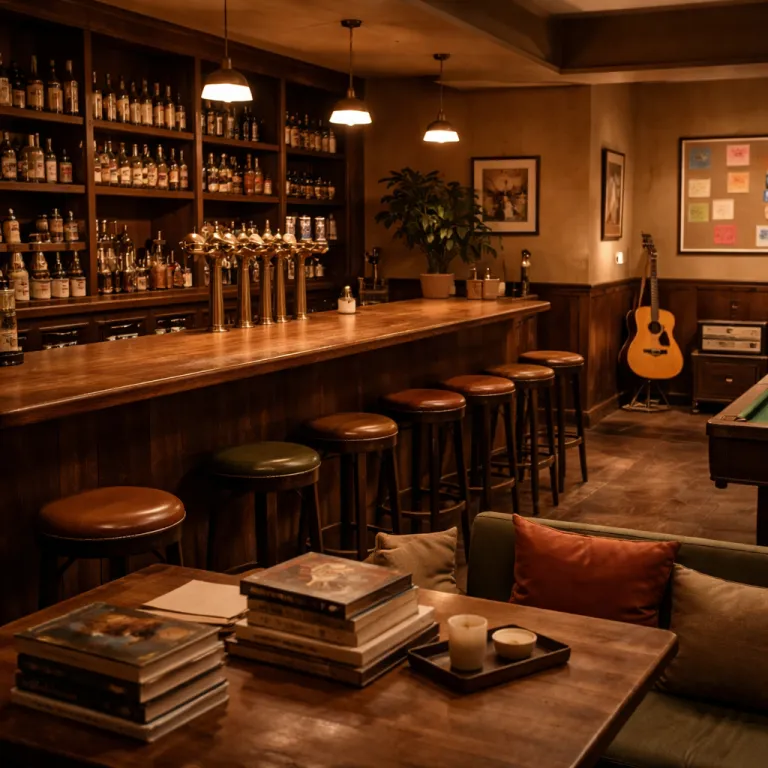
When the hotel bar becomes the city’s living room
The most interesting luxury stays now begin at the bar. The strongest hotel bar concepts turn a polished counter and a few stools into a genuine public living room where people linger rather than just pass through. In a world where traditional third places are fading, the right hotel space can quietly anchor an entire neighborhood and its daily social life.
Urban researchers have tracked a measurable decline in classic third places such as independent cafés and small social clubs. A 2020 study in the Journal of Urban Affairs, for example, found a double digit drop in licensed social venues per resident across several major U.S. cities over the previous decade. That erosion has opened room for hotel bars and lobby lounges to step forward as new third spaces, especially when the design and service philosophy prioritize community over transient spectacle. As sociologist Ray Oldenburg famously defined it, a third place is a social environment separate from home and work, where people can gather informally and feel part of a local community.
Luxury hoteliers who understand this do not treat the bar as a side hustle. They curate a space where local residents, business travelers, and long stay guests share the same social rhythm, from early coffee meetings to late night nightcaps. When that mix feels natural, the bar stops being a lobby accessory and becomes the neighborhood’s preferred third space, a room that feels lived in rather than staged.
Across global cities, the best examples share a few traits. First, the bar is visible from the street and feels open to local people, not hidden behind hotel lobbies or velvet ropes that signal exclusivity over welcome. Second, the food and drink program reflects local producers and restaurant culture, so the community can taste its own city rather than a generic international menu that could belong to any hotel.
Design matters, but not in the way many marketing photos suggest. The most successful hotel bars that serve the local community as third spaces use layered seating zones that mimic a domestic living room, with sofas, counters, and high tables that invite both private conversations and casual social contact. These spaces are calibrated so guests can feel comfortable arriving alone, knowing the room’s energy will carry them rather than overwhelm them.
There is also a temporal dimension to these third spaces. Evenings and weekends become the natural peak for social gatherings, yet the bar’s role as a third place extends into daytime with coffee service, light food, and quiet corners for reading or laptop work. In practice, this turns hotel lobbies and adjacent bars into continuous living environments rather than time limited amenities that only activate at cocktail hour.
For travelers, this shift changes how you should evaluate a premium hotel. Instead of asking whether the bar has a skyline view, ask whether local community members actually use the space as part of their daily living patterns. A bar where the staff greet neighborhood regulars by name will usually serve better drinks, better food, and a richer sense of place than any rooftop selfie spot that feels disconnected from the surrounding streets.
From London to New York, the properties that master this balance are redefining what a luxury stay feels like. They understand that people now crave social connection as much as thread count, and that the right third spaces can deliver both without compromise. When you book with that lens, you are no longer just reserving a room; you are buying into a living, breathing community that extends well beyond your door.
How to read a hotel bar as a genuine neighborhood third place
Seasoned business leisure travelers can usually read a bar within five minutes. The question is simple: does this hotel bar feel like a room designed for people who live nearby, or only for transient guests passing through after check in? Your answer should shape whether you book the hotel at all, because the third space experience will influence how the whole stay feels.
Start with the entrance and the street relationship. In the best third spaces, you can walk directly from the sidewalk into the bar without navigating reception desks or security podiums in anonymous hotel lobbies. Clear signage, a visible coffee counter, and a few outdoor tables signal that local community members are expected, not merely tolerated, and that the space belongs to the neighborhood as much as to the hotel.
Next, scan the room for behavioral cues. Are there solo guests reading with a flat white, a couple of local people sharing small plates, and a group that obviously knows the bartender by first name? That mix suggests a functioning third place where social rituals have formed over time and where the bar operates as a shared living room for both residents and visitors.
Menus tell their own story. A bar that aspires to be the best third space in its neighborhood will usually feature local roasters on the coffee list, regional spirits on the back bar, and food that references nearby restaurants rather than a generic international club sandwich. When you see a thoughtful non alcoholic section, you are looking at a team that understands inclusive social spaces and wants people to feel welcome at any hour.
Consider the programming as well. Properties that take the hotel bar’s community role seriously host regular events with local artists, small studios, or neighborhood organizations, but they keep the scale intimate so the bar still feels like a living room rather than a concert venue. Over time, these recurring nights turn third spaces into reliable fixtures of neighborhood living and give locals a reason to return.
For a concrete benchmark, look at how some new luxury residences with hotel style services approach this idea. Projects such as the West Village property profiled in this analysis of residential style hospitality show how a lobby lounge can double as a social hub for both long term residents and short stay guests. The same logic applies when you choose a traditional hotel; you want a bar that feels like an extension of your own living room, even if you are only in town for two nights.
Travelers should also pay attention to how staff talk about the neighborhood. When bartenders recommend independent restaurants, small coffee shops, or a nearby studio gallery, they are acting as connectors within the local community rather than just upselling in house food. That behavior is a hallmark of a true third place ethos and shows that the team understands the wider social fabric.
Finally, trust your own feel for the room. If you sense that people are there to be seen rather than to connect, you are probably in a stage set rather than a genuine third space. A real neighborhood bar inside a hotel will have small imperfections, regulars in comfortable clothes, and a social temperature that lets you exhale after a long day of meetings and feel briefly at home.
The business case for hotel bars as independent third spaces
For owners and asset managers, the shift toward the hotel bar as a local third space is not just a design trend. It is a structural change in how revenue is generated, decoupling food and beverage performance from pure room occupancy. When a bar becomes a neighborhood institution, it can trade strongly even on nights when the hotel is half full and the traditional metrics look soft.
Consultancies tracking hospitality performance have noted that properties with compelling food and beverage concepts often see a significant uplift in guest satisfaction scores. A 2023 review by JLL’s Hotels & Hospitality group, for instance, reported that lifestyle hotels with destination bars recorded guest satisfaction scores around 8 to 10 percentage points higher than comparable properties without a strong third space offering. When the bar functions as a third place, guests mention it repeatedly in reviews, praising the social energy, the quality of the food, and the sense of connection with local people. That narrative becomes a powerful acquisition tool for future bookings and a differentiator in crowded urban markets.
There is also a resilience argument. In cities where a decline in traditional third places has been recorded by urban studies research, hotels that step into the gap with credible third spaces effectively future proof their ground floor revenue. They are no longer competing only with other hotel lobbies but with the entire ecosystem of restaurants, cafés, and social clubs in the neighborhood, and a strong bar can hold its own in that field.
From an operational standpoint, the most successful models treat the bar almost as a standalone studio brand. Beverage directors are given autonomy to source local products, chefs are encouraged to build menus that can compete with independent restaurants, and marketing teams position the venue as one of the best bars in the area rather than just the hotel’s default option. This approach turns the third space into a magnet for both guests and residents and supports premium pricing.
For travelers, this business logic has a direct upside. A bar that must win repeat visits from local community members will keep standards high on everything from coffee quality to late night food, because people who live nearby will not tolerate mediocrity. In contrast, a captive lobby bar that relies only on in house guests can quietly slide into average service and forgettable drinks without anyone in the neighborhood noticing.
Thoughtful investors now evaluate ground floor plans with the same rigor they once reserved for room keys. They ask whether the space can operate as a true third place, with multiple seating zones, a clear street presence, and programming that attracts people from outside the hotel. When those boxes are ticked, the bar becomes a durable revenue engine rather than a cost center and can support the overall brand.
For readers who want to understand how refined beverage concepts elevate this equation, the analysis on elevated beverage outlets offers a useful framework. It shows how precise cocktail execution, thoughtful coffee service, and a coherent design language can transform a simple bar into a high performing third space. The same principles apply whether you are booking a city hotel or a resort with a more relaxed social rhythm.
Ultimately, the financial and experiential arguments align. A hotel bar that functions as a genuine third place will usually deliver better returns for owners and a richer stay for guests, while also strengthening the social fabric of the surrounding community. That is a rare triple win in contemporary hospitality and a compelling reason to rethink how ground floor space is planned.
From San Diego to London: where locals outnumber guests at the bar
Some cities showcase the hotel bar as a local third space more vividly than others. San Diego is a useful case study, because its coastal neighborhoods blend residential living, tourism, and a strong café culture in a compact urban fabric. In the best properties there, you will often find locals at the bar long before hotel guests wander down from their rooms, turning the venue into a genuine neighborhood hangout.
In central San Diego, look for hotels where the bar opens directly onto the street with sliding glass, creating a porous boundary between inside and outside space. Morning service might focus on specialty coffee and light food, drawing remote workers and neighborhood regulars who treat the bar as their informal studio. By evening, the same room shifts into one of the area’s third spaces, with a mix of guests and local people sharing the counter and trading recommendations about nearby restaurants.
The pattern is not unique to California. In London, properties such as The Ned or the Hoxton group have turned their hotel lobbies and bars into vast social living rooms where membership cards matter less than the energy of the crowd. These venues operate as third places for the city’s creative and financial communities, with people dropping in for breakfast meetings, afternoon coffee, and late night martinis under the same roof and often staying far longer than they planned.
Elsewhere, the most refined examples often hide in plain sight. In Venice, the bar profiled in this feature on a palazzo level cocktail program shows how a historic building can host a thoroughly modern third space. Locals come for the precision of the drinks and the calm of the room, while guests feel folded into the city’s social life rather than observing it from a distance behind hotel windows.
What unites these places is not décor but attitude. Bartenders remember names, adjust lighting to match the social temperature, and treat solo travelers with the same care as large groups of local regulars. As one London bar manager put it in a recent industry panel, “If our neighbors don’t feel at home here, we have failed, no matter how many hotel guests we serve.” The bar team understands that people choose these third places because they feel both anonymous and known at the same time, able to blend into the crowd yet still feel seen.
For the executive traveler extending a work trip into leisure, these environments are invaluable. You can step off a long haul flight, drop your bags in the room, and within minutes be seated in a bar where the conversation includes both guests and neighbors. That mix turns an otherwise generic stay into a short term chapter of city living and gives you a more grounded sense of place.
As you plan future trips, train yourself to read hotel websites and reviews through this lens. Look for mentions of locals at the bar, references to neighborhood events, and details about coffee programs or collaborations with nearby restaurants. Those clues usually point toward a hotel that has embraced its role as a third space rather than hiding behind closed doors and relying only on in house traffic.
When you finally take your seat at one of these counters, pay attention to how the room breathes. If you can feel the city’s rhythm in the way people arrive, linger, and reluctantly leave, you have found what every modern traveler should be booking: a hotel where the bar is the true heart of the local community and the most memorable part of the stay.
Key figures on hotel bars as third spaces
- Urban studies research inspired by Ray Oldenburg’s work on third places has highlighted a long term decline in traditional gathering spots such as independent cafés and social clubs, creating a gap that hotel bars are increasingly filling as new community hubs.
- Hospitality design consultancies report that properties with distinctive food and beverage concepts, often centered on vibrant bar spaces, can see a notable increase in positive guest reviews compared with similar hotels that treat F&B as a secondary amenity, especially when the bar is perceived as a welcoming social space.
- Surveys of high end travelers from organizations such as Virtuoso and Skift indicate that a majority now prioritize hotels with strong restaurants and bars when choosing where to stay, underscoring the strategic value of positioning the bar as a genuine third place rather than a simple lobby accessory.
- In markets where hotel bars actively program community focused events such as live music, local artist showcases, or coffee tastings, operators report higher repeat visitation from nearby residents, which stabilizes revenue even during low occupancy periods and reinforces the bar’s role as a neighborhood living room.