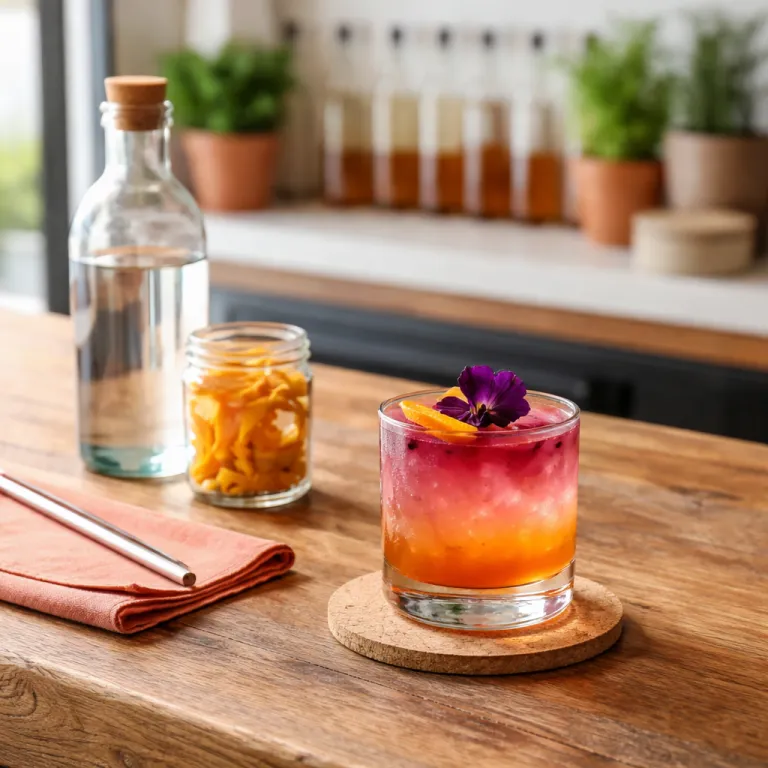
Why eco friendly spirits now define the most interesting hotel bars
Luxury hotel bars are quietly rewriting the rules of indulgence with eco friendly spirits programs that make sustainability part of the nightly ritual. A new generation of sustainable cocktail lounges in premium hotels is proving that responsible drinking can feel as polished as a marble counter and as precise as a hand carved ice sphere. For families choosing premium stays, this shift means the bar is no longer just a late night escape but a visible classroom in sustainability for curious children watching from a nearby table.
At the heart of this movement sits ecoSPIRITS, a closed loop technology system that replaces traditional glass bottles with refillable vessels and dramatically cuts glass waste behind the bar. When a hotel commits to ecoSPIRITS, it is not only reducing carbon emissions from heavy glass packaging distribution but also signalling that every cocktail, every single glass pour of gin or whisky, has been considered through a sustainability lens. For parents who care about their own carbon footprint yet still enjoy premium spirits, this is the kind of quiet detail that can tip a booking decision.
Data from leading hospitality analysts shows that around one third of global travelers now actively seek certified sustainable stays, even if only about one in five is willing to pay a clear premium for them.[1] That gap between aspiration and budget is exactly where eco friendly spirits programs shine, because they reduce waste and energy use behind the scenes without demanding a surcharge on every cocktail. When you see a bar team talking about sustainable spirits and low waste practices as naturally as they discuss ingredients and ice, you know the property has woven sustainability into its daily service rather than treating it as a marketing slogan.
Inside ecoSPIRITS and the new closed loop hotel bar
To understand how eco friendly spirits initiatives in hotel bars actually work in practice, start with the bottle that never gets thrown away. EcoSPIRITS is a closed-loop spirits technology reducing carbon impact, and in a luxury bar this means spirits arrive in reusable ecoTOTE containers instead of individual glass bottles that would usually end up as waste. Each refillable unit replaces dozens of single glass bottles, cutting glass packaging needs and shrinking the bar supply chain footprint with every delivery.
At Rosewood Bangkok, ecoCOCKTAILS built around ecoSPIRITS show how a high rise city bar can serve premium spirits while quietly lowering carbon emissions per drink. Internal program data from ecoSPIRITS and Rosewood indicates that ecoSPIRITS systems can reduce the carbon impact of spirits service by up to 80 percent compared with traditional glass bottles, based on lifecycle modelling rather than independent peer reviewed research.[2] Patina Maldives on the Fari Islands uses the same technology to support a beach club style bar program, where sustainable spirits are poured steps from the ocean without the usual parade of empty glass bottles heading to landfill. In both cases, the bar teams report that the quality of the spirits, from gin to whisky and even spirits wine used in spritz style serves, remains uncompromised while the carbon footprint per cocktail falls sharply.
For families, the beauty of this system is that it is visible yet unobtrusive, because children can see the larger containers stacked neatly while parents read a menu that explains the low carbon and low waste benefits in clear language. When a bartender can point to a circular closed loop system and explain how it supports a broader circular economy, the conversation about sustainability becomes tangible rather than abstract. It is the difference between a generic green label and a bar where technology, packaging, and ingredients all work together to reduce energy use and carbon across the full packaging distribution chain.
Garden to glass and the rise of local distillery partnerships
The most compelling eco friendly spirits programs in luxury hotel bars start long before the first bottle reaches the shelf. Many properties now cultivate herb gardens on rooftops or terraces, turning garden to glass into both a flavor philosophy and a sustainability strategy. When your martini is garnished with basil grown ten metres away, the distance between soil and single glass serve becomes a story your children can literally smell.
Partnerships with a local distillery deepen that story, because every kilometre removed from the supply chain reduces carbon emissions tied to transport and refrigeration. In the Asia Pacific region, for example, several coastal resorts now work with nearby gin producers and maison whisky style houses to create signature premium spirits that travel only a short distance from still to bar. These collaborations often extend to spirits packaging choices, with distilleries using lighter glass packaging or alternative materials that support low carbon logistics and easier closed loop recycling.
On the menu, you might see a coastal gin infused with local ingredients like lemongrass or pandan, or a small batch whisky finished in casks seasoned with regional spirits wine, each one telling a place specific story. Parents can use these details to explain to children how local sourcing supports farmers, reduces waste, and keeps more energy and value within the community. When a hotel bar highlights flor de caña style rums or other producers known for sustainable spirits practices, it signals that every cocktail is part of a wider sustainability narrative rather than just a pretty drink in glass bottles.
The guest perception gap and how families can choose better
There is a clear tension in luxury travel between what guests say about sustainability and how they actually book. Surveys show that around 30 percent of travelers have chosen certified sustainable stays recently, yet only 21.8 percent are willing to pay more for eco-friendly accommodations, but 1 in 3 plans a sustainability-certified stay in 2026.[1] For hotel bars that prioritise eco friendly spirits and low impact operations, this means the real work happens behind the scenes, where low waste systems and low carbon choices quietly protect margins while keeping prices familiar.
Families can navigate this perception gap by asking very specific questions about the bar rather than relying on broad green labels. Ask whether the property works with ecoSPIRITS or similar closed loop technology, whether glass bottles are recycled or part of a circular refill system, and how the bar manages spirits packaging to reduce waste. A hotel that can explain its circular economy approach to packaging distribution, from distillery to bar counter, will usually also have strong policies on energy, water, and broader sustainability across the property.
When comparing options on a platform like bar-stay.com, look for listings that mention sustainable spirits programs, local ingredients, and partnerships with named distilleries rather than vague eco friendly claims. One curated guide to exceptional and unique places to stay in Washington State for discerning guests, for example, highlights properties where the bar is central to the experience and sustainability is part of the narrative rather than an afterthought. This level of detail helps parents choose hotels where a nightcap at the bar aligns with the same values they model for their children during daytime activities.
From beach club to sky bar: where sustainable spirits shine for families
Eco friendly spirits programs in hotel bars across different geographies look very different, yet they share a common design language. At an island beach club, the focus might be on rum based cocktail menus built around brands like Flor de Caña that emphasize sustainable spirits production and responsible sugarcane sourcing. In a city sky bar, the emphasis could shift to gin and whisky, with maison whisky style selections and spirits wine fortified options presented in tasting flights that highlight both flavor and sustainability credentials.
In the Asia Pacific region, where coastal resorts and urban towers compete for the same premium family travelers, ecoSPIRITS has become a quiet unifier. Properties from the Maldives to Bangkok use the technology to cut glass waste, reduce carbon emissions, and support a more circular supply chain without compromising on the theatre of a well run bar. Parents can sit at the counter, watch a bartender measure a single glass pour from a sleek tap system, and explain to children how this closed loop approach keeps heavy glass packaging out of fragile island ecosystems.
Even in classic whisky lounges, the shift is visible as hotels move from heavy glass bottles on every back bar shelf to a mix of display bottles and refill systems hidden in the back of house. The experience for the guest remains one of premium spirits, crystal glassware, and precise service, yet the underlying energy use and carbon footprint per drink are significantly lower. For families, this means you can enjoy a rare dram or a zero proof cocktail in the same space, knowing that both have been shaped by a bar team that treats sustainability as part of hospitality rather than a separate project.
Talking eco friendly spirits with kids and reading a bar menu like an insider
For premium families, one of the most powerful aspects of eco friendly spirits programs in hotel bars is the chance to turn a pre dinner drink into a gentle lesson. Children notice the theatre of a bar, from the clink of glass to the glow of backlit bottles, and they will ask questions. When you can explain that the bar uses ecoSPIRITS to reduce carbon emissions and glass waste, you are showing that responsible indulgence is about choices rather than abstinence.
Start with the menu and look for clear references to sustainable spirits, local ingredients, and low waste techniques such as citrus peels reused in syrups or garnishes. Ask the bartender how they manage spirits packaging and whether any of the premium spirits on the list come from a local distillery that participates in a circular economy program. When they mention closed loop systems, low carbon logistics, or partnerships with producers in Asia Pacific or your current region, invite older children to listen so they understand how a simple cocktail can reflect complex supply chain decisions.
It also helps to point out the physical details, such as lighter glass packaging on certain bottles, reusable straws, or the absence of unnecessary single use items at the bar. Explain that every single glass of gin, whisky, or spirits wine poured with care is part of a bigger sustainability picture that includes energy use, transport, and packaging distribution. By framing the bar as a place where technology, craftsmanship, and sustainability meet, you turn a private indulgence into a shared family value, even if the children are sipping only fresh juice while you enjoy a well made martini.
Key figures shaping sustainable hotel bars
- EcoSPIRITS systems can reduce the carbon impact of spirits service by up to 80 percent compared with traditional glass bottles, according to lifecycle assessment data shared by ecoSPIRITS and Rosewood Bangkok for its ecoCOCKTAILS program, which should be treated as vendor supplied rather than independent scientific research.[2]
- At Patina Maldives, the use of ecoSPIRITS is estimated to cut around 30 grams of carbon emissions per cocktail, based on internal modelling by the resort and ecoSPIRITS that has not been externally audited, which adds up significantly across a busy beach club style bar operation.[3]
- Recent global travel research from major online travel agencies and hotel groups indicates that around 30 percent of travelers have booked certified sustainable stays, showing that sustainability is now a mainstream factor in hotel choice, although methodologies and sample sizes vary.[1]
- Only 21.8 percent of surveyed guests say they are willing to pay more for eco friendly accommodations, which pushes hotels to adopt low waste and low carbon bar practices that do not rely on higher prices and instead focus on operational efficiency.[1]
- One in three travelers is planning a stay in a sustainability certified property in the coming years, suggesting that eco friendly spirits programs will become a baseline expectation in premium hotel bars rather than a niche feature as awareness grows.[1]
FAQ: eco friendly spirits and sustainable hotel bars
What is ecoSPIRITS and why does it matter for hotel guests ?
EcoSPIRITS is a closed loop technology system that delivers spirits in reusable containers instead of single use glass bottles, which significantly reduces glass waste and carbon emissions across the bar supply chain. For guests, this means every cocktail or single glass pour of gin, whisky, or other premium spirits carries a lower carbon footprint without sacrificing flavor or quality. When a hotel bar uses ecoSPIRITS, it signals a serious commitment to sustainability rather than a cosmetic gesture.
How can I tell if a hotel bar is genuinely sustainable rather than just using green marketing ?
Look for specific details such as partnerships with named local distilleries, references to ecoSPIRITS or other closed loop systems, and clear explanations of how glass packaging and spirits packaging are managed. A genuinely sustainable bar will talk openly about waste reduction, low carbon logistics, and circular economy practices rather than relying on vague eco friendly language. You can also ask staff direct questions about recycling, energy use, and sourcing of ingredients to gauge the depth of their sustainability program.
Do eco friendly spirits and refill systems affect the taste of cocktails ?
Current evidence from leading hotels and distilleries shows that eco friendly spirits delivered through systems like ecoSPIRITS maintain the same flavor profile as those in traditional glass bottles. The technology focuses on packaging and distribution rather than altering the liquid itself, so your cocktail should taste exactly as the distillery intended. Many bar teams report that guests cannot distinguish between drinks poured from refillable systems and those poured from single glass bottles in blind tastings.
Are sustainable hotel bars suitable for families traveling with children ?
Yes, many premium hotels now design their bar spaces and adjacent lounges to be welcoming for families earlier in the evening, with thoughtful non alcoholic options and clear sustainability stories that parents can share with children. Eco friendly spirits programs, garden to glass ingredients, and visible low waste practices turn the bar into a place where values and pleasure can coexist. As always, check each property’s policy on children in bar areas and choose times that feel appropriate for your family.
What questions should I ask before booking a hotel if sustainable spirits are important to me ?
When researching properties, ask whether the bar uses ecoSPIRITS or similar closed loop technology, how they handle glass bottles and spirits packaging, and whether they partner with local distilleries or sustainable brands such as Flor de Caña. Inquire about low waste practices like reusing ingredients, minimizing single use items, and tracking the carbon footprint of their bar operations. Hotels that answer these questions confidently are usually the ones where eco friendly spirits initiatives in their bars are part of a broader, credible sustainability strategy.