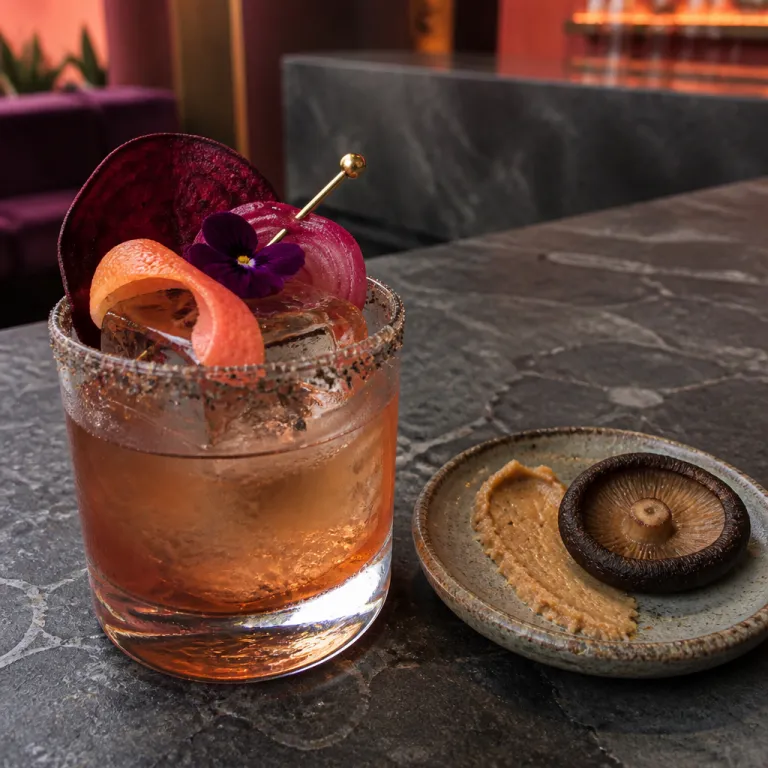
Why umami is reshaping the luxury hotel bar cocktail list
The sweetness-first era of hotel cocktails is quietly fading. Around the world, leading luxury bars are embracing umami-driven, savory cocktails that reframe what guests expect from a pre-dinner drink, especially in properties where the bar is the soul of the stay. Bartenders and chefs now work side by side, turning miso, kombu and other kitchen staples into complex liquid experiences that feel closer to tasting-menu courses than simple mixed drinks.
Industry data shows that a growing share of upscale hotel bars now feature at least one umami cocktail on the menu, and some properties dedicate entire sections to savory drinks that sit confidently beside classic martini and Manhattan variations. According to multi-city bar menu audits conducted between 2022 and 2024, the percentage of venues offering savory cocktails has climbed to around 35 %, while sales of umami-driven drinks have risen by roughly 20 % over the same period, based on aggregated point-of-sale reports from participating hotel groups. This shift aligns with NielsenIQ findings published in 2023 that 59 % of guests in the United States are willing to order experimental cocktails such as fermented or savory options when they trust the bar team, a figure drawn from consumer panels tracking on-premise beverage choices.
For travelers using a luxury booking platform, this means the umami and savory cocktail movement is no longer a niche curiosity but a reliable marker of a serious bar program. When a hotel highlights Japanese-inspired savory cocktails built with miso, kombu or shiso, it signals a property where the bar is treated as a destination, not an amenity. That level of intent matters to business-leisure guests who might only have one night to turn a work trip into a memorable tasting experience.
From kitchen to backbar: miso, kombu and the rise of savory technique
The most interesting hotel bars now read like open kitchens, with chefs and bartenders sharing prep lists and mise en place. The current wave of umami-forward hotel cocktails is powered by techniques once reserved for tasting menus, from clarified miso washes to kombu infusions that sit in vacuum-sealed bags beside house stock. This kitchen–bar convergence is especially visible in Japanese-led properties, where culinary discipline meets precise hospitality and every garnish is treated like a plated component.
Clarified miso martini variations start with a neutral spirit such as vodka or a delicate gin, which is then fat-washed or milk-clarified with white miso to add salinity and depth without clouding the drink. Kombu, the dried kelp central to dashi in Japan, is steeped in chilled sake or in a light rice-based spirit for several hours, then strained to yield a clean, oceanic backbone that works beautifully over a single rock of hand-carved ice. Many luxury hotel bars now use specialized equipment, from centrifuges to rotary evaporators, to keep these savory cocktails crystal clear while retaining their layered flavor.
Guests will often see trays of fresh cucumber, shiso leaves, yuzu and ginger on the bar, not just as garnishes but as structural ingredients in seasonal cocktails that lean savory rather than sweet. A bartender might pair yuzu sake with a kombu-infused gin, add a touch of brown sugar syrup for balance, then finish with a spray of yuzu kosho oil to introduce a subtle spicy lift. For travelers curious about how far this can go, a deep dive into ice programs and prep techniques at leading properties is revealing, and resources such as the analysis of luxury hotel bar ice obsessions help decode why that single clear cube matters so much to an umami-forward drink.
How to read a savory cocktail menu when you check in
Arriving at a serious hotel bar can feel like stepping into a new language. The rise of savory, umami cocktails has filled menus with references to shiso, yuzu kosho, rice washes and clarified miso, which can intimidate even frequent travelers. A little structure helps you order with confidence and avoid a drink that feels too spicy or too saline for your palate.
Start by scanning the menu sections, because many properties now group seasonal cocktails by flavor profile rather than spirit family, which is especially helpful when you are new to savory drinks. Look for headings such as "umami and mineral" or "salty and bright" and then read the supporting ingredients, noting whether the base spirit is gin, tequila, whisky or sake, and whether the modifiers lean sweet, sour or vegetal. Guides such as this breakdown of how to read a hotel bar cocktail menu can be useful pre-trip reading, especially if you are planning to book a property where the bar is a key reason for the stay.
When in doubt, talk to the bartender and use simple reference points, such as asking for "half the salt" or "a little more lemon" in a miso-based martini-style drink. If you enjoy Japanese flavors, mention that you like yuzu, ginger and shiso, and the team can steer you toward a yuzu sake highball, a cucumber and rice spirit collins, or a clarified martini with a kombu brine rinse. Remember that the best hotel bars in New York, Tokyo or San Francisco treat this conversation as part of the service, and a good bartender will happily adjust sweetness, dilution and garnish to match your comfort level.
Signature savory cocktails that justify choosing one hotel over another
For many bar-focused travelers, the decision between two five-star properties now comes down to the glass, not the thread count. A hotel that takes its umami cocktail program seriously will usually have at least one signature drink that could not exist anywhere else, often tied to local produce or a specific chef collaboration. These signatures become as important as the corner suite or the view when you are extending a business trip into a short leisure stay.
In New York, for example, several leading hotel bars have built reputations around Japanese-leaning savory cocktails that weave together yuzu, ginger beer, shiso and miso in ways that feel both familiar and quietly radical. At the Baccarat Hotel’s Bar, for instance, the team has explored miso-washed spirits in martini riffs, while at The Peninsula New York’s rooftop bar, bartenders experiment with shiso and yuzu in spirit-forward serves. One property might serve a miso-washed rye old fashioned with a brown sugar and rice syrup, stirred over a single rock and garnished with a lemon twist and a shard of dehydrated cucumber. Another might highlight a yuzu kosho martini, where the base spirit is split between gin and yuzu sake, then seasoned with a tiny spoon of the fermented chile and citrus paste to create a slow-building spicy finish.
Outside the United States, hotels in Japan are pushing the form even further, using local rice varieties, seasonal citrus and regional seaweeds to create tasting flights of savory cocktails that change every month. At the Park Hyatt Tokyo’s New York Grill & Bar, for example, bartenders have explored kombu and shiitake infusions in stirred drinks, with one head bartender noting in a 2023 interview that "guests are looking for cocktails that feel as thoughtful as the chef’s menu." Guests might be offered a trio that moves from a light, fresh cucumber and shiso highball to a deeper, miso and kombu stirred drink, then finishes with a spirit-forward martini variation that uses a mushroom and soy reduction. When you browse a booking platform such as bar stay dot com, pay attention to how clearly a property describes these signatures, because detailed cocktail narratives often signal a bar team that treats its menu with the same seriousness as the kitchen treats its tasting menu.
What to tell your bartender: flavor profiles, comfort zones and smart tweaks
Ordering within this new world of savory, umami cocktails does not require advanced mixology knowledge, only a clear sense of what you enjoy. Start by deciding where you sit on three simple axes, from light to rich, from fresh to savory, and from low to high alcohol, then share that with the bartender in a sentence or two. This gives the team enough information to tailor a drink without overwhelming you with technical detail.
If you like bright, fresh flavors, mention that you enjoy lemon, yuzu and cucumber, and that you prefer your cocktails only gently sweet. The bartender might respond with a seasonal option built around yuzu sake, ginger beer and a rice spirit, shaken hard and served over crushed ice with a shiso leaf for aroma and a small pinch of salt to underline the umami. Guests who lean toward richer profiles can ask for miso or brown sugar notes, perhaps in a stirred drink over a rock, with half the usual dilution to keep the texture silky and the spirit presence firm.
Travelers who are cautious about spicy elements should say so early, especially when ordering drinks that mention yuzu kosho, chili oils or pepper tinctures. A skilled bartender can easily adjust the heat level, split the base between two spirits, or add a little extra citrus to keep the balance in check. In many leading hotel bars, bartenders are explicitly trained to guide guests through these choices, because as one internal training document from 2024 puts it, "What is an umami cocktail? A drink incorporating savory, umami rich ingredients" and "Why are savory cocktails becoming popular? They offer complex flavors appealing to adventurous drinkers" and "Which hotel bars serve umami cocktails? Many upscale hotel bars globally are adopting this trend."
Choosing bar forward hotels on a booking platform
When you scroll through a luxury booking website, the bar often hides behind spa photos and suite shots. Guests who care about miso- and kombu-driven cocktails need to read between the lines, looking for signs that the property treats its bar as a serious venue rather than a lobby accessory. The language used to describe cocktails, the mention of chef collaborations and the presence of seasonal menus are all strong indicators.
Look for references to Japanese ingredients such as shiso, yuzu, miso and rice-based spirits, because these often signal a willingness to work with umami and not just with sugary syrups. Properties that highlight seasonal cocktails, list specific garnishes like cucumber ribbons or lemon oils, and mention techniques such as clarified martini builds or kombu infusions usually have bartenders who can improvise beyond the printed menu. Articles such as the analysis of bar forward design and hotel revenue show how seriously many brands now take their bar programs, and that seriousness tends to correlate with better guest experiences at the counter.
Geography also matters, because cities like New York, Tokyo, Mexico City and San Francisco have dense ecosystems of chef-driven bars where hotel properties must compete with independent venues. In the United States, leading brands now partner with local distilleries and culinary experts to create house spirits and miso- or kombu-based liqueurs that appear only in their bars. When a listing mentions such partnerships, or notes that the bar team works closely with the kitchen on food pairings, you can be confident that the broader philosophy behind umami cocktails runs through the entire property.
From happy hour to half night ritual: integrating the bar into your stay
For business-leisure travelers, the hotel bar is no longer just a place for a quick drink before bed. In properties that embrace savory, umami-forward cocktails, the bar becomes a nightly ritual, a half meeting room and half tasting counter where deals, ideas and jet lag all soften under the glow of backlit bottles. Planning around this experience can transform an otherwise functional trip into something quietly memorable.
One practical approach is to reserve a stool for your first evening, then return later in the stay to explore the seasonal cocktails list once you have built rapport with the bartender. Start with a lighter, fresh drink built around yuzu sake, cucumber and lemon, then move toward deeper miso or brown sugar accented options served over a single rock as the night progresses. In many Japanese-influenced programs, the bartender will remember your preferences, adjusting the level of spicy heat from yuzu kosho or ginger, and perhaps suggesting a spirit-forward martini variation that matches your comfort with alcohol intensity.
Because the trend toward savory cocktails is still emerging, you will often find that these drinks are conversation starters with other guests, especially in cosmopolitan hubs across the United States and Europe. Sharing impressions of a kombu-washed rice spirit highball or a clarified miso martini can lead to restaurant recommendations, local bar tips and even future business contacts. Treat the bar as an integral part of the property, not an afterthought, and this new wave of umami cocktails will reward you with experiences that linger long after checkout.
Key figures shaping the savory cocktail shift
- Industry reports indicate that roughly 35 % of surveyed bars now offer at least one savory cocktail, a significant rise compared with the early stages of the trend when such drinks were rare on hotel menus. This figure typically comes from multi-city audits of hotel and independent bar menus conducted between 2021 and 2024.
- Bar sales data show an approximate 20 % increase in umami-focused cocktail sales over the recent multi-year period, suggesting that guest curiosity is translating into repeat orders rather than one-time experiments. Analysts attribute this to menu placement, staff training and the growing comfort of guests with fermented flavors, based on internal hotel group reporting compiled through 2023.
- NielsenIQ research published in 2023 reports that 59 % of consumers are willing to choose experimental options such as fermented or savory cocktails, a figure that helps explain why luxury hotel groups feel confident investing in miso and kombu driven programs. The statistic is based on survey responses from on-premise drinkers in the United States.
- Internal hospitality benchmarking across major cities suggests that hotels with recognized bar programs can command room rate premiums of several percentage points, as guests increasingly value bar experiences alongside traditional luxury markers. Properties that win bar awards or appear on influential cocktail lists often see this halo effect most clearly, according to brand performance reviews completed in 2022 and 2023.
FAQ about umami savory cocktails in hotel bars
What exactly makes a cocktail "umami" rather than just salty ?
Umami cocktails rely on ingredients such as miso, kombu, mushroom reductions or tomato water that add depth and savoriness without simply increasing salinity. Salt may be present, but the goal is a rounded, mouth-filling flavor similar to a well-made broth. In hotel bars, this often appears as a subtle background note supporting citrus, herbs and the base spirit.
Are savory cocktails only popular in Japanese or Asian inspired hotels ?
While Japan and Japanese techniques play a major role, the trend has spread across luxury hotel bars in the United States, Europe and the Middle East. Many Western properties collaborate with chefs to adapt local ingredients, such as olives, seaweed or roasted vegetables, into umami rich drinks. The common thread is a culinary approach to cocktails, not a single regional cuisine.
How strong are these drinks compared with classic martinis or Manhattans ?
Strength varies, but many umami focused cocktails are built on classic templates, so their alcohol content is similar to traditional stirred drinks. Some hotels offer lower alcohol options using sake, sherry or rice based spirits to make the style more accessible. Guests who prefer lighter serves can always request a longer, highball format with more dilution and soda.
Can I enjoy savory cocktails if I usually prefer sweet drinks ?
Yes, because many hotel bars design gateway drinks that balance umami with gentle sweetness from ingredients such as brown sugar syrups, ripe fruit or ginger beer. Starting with a highball or spritz format keeps the flavors approachable while still introducing miso, kombu or shiso. Over the course of a stay, guests often move gradually toward drier, more spirit forward options.
How do I find hotels that take umami cocktails seriously when booking ?
Look for listings that mention seasonal cocktails, chef bartender collaborations, Japanese ingredients such as yuzu, shiso or miso, and specific signature drinks rather than generic references to a lobby bar. Reviews that highlight the bar as a destination, not just a convenience, are another strong signal. Specialized platforms focused on bar forward hotels can further narrow the search to properties where the cocktail program is central to the guest experience.