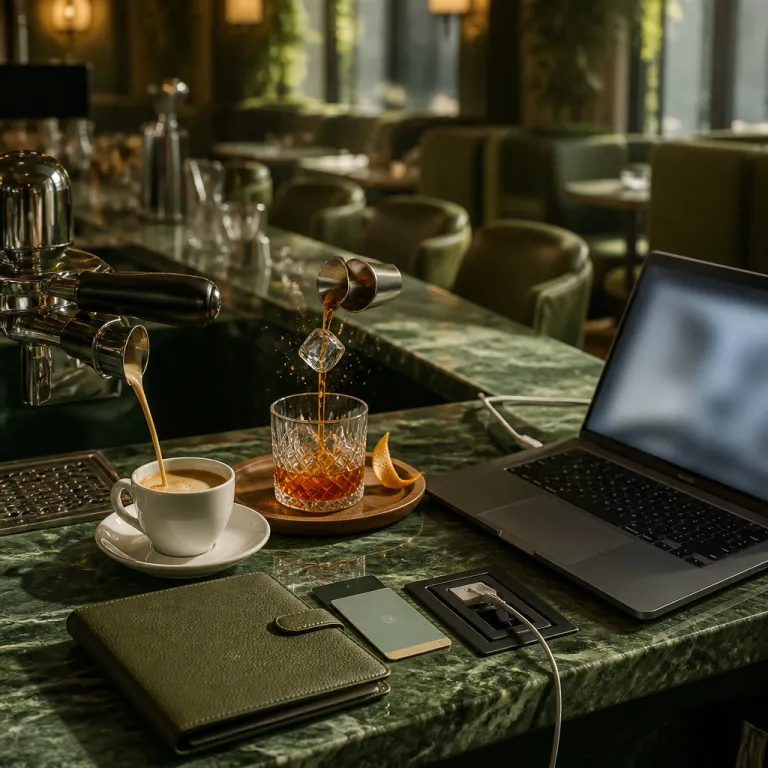
The rise of the hotel bar co-working space daytime lounge remote
Walk into the right luxury hotel and the bar now feels like a refined coworking space rather than a hushed nightcap corner. Across the city and far beyond, the modern hotel bar co-working space daytime lounge remote concept is reshaping how executives plan a work day, blending espresso, laptops and low lighting into one continuous narrative. This shift responds directly to remote work habits, where a single flexible space must carry you from first coffee to last Negroni.
Industry data shows that a growing percentage of hotels now position the bar as a place to work during the day, not just to drink after dark. A 2023 survey by the American Hotel & Lodging Association, for example, reported that roughly two-thirds of full-service properties highlight some form of lobby or bar-based workspace, while a hotel analytics summary from STR noted that business travelers increasingly list “work-friendly public areas” as a deciding factor when booking. These publicly shared figures, while aggregated, help explain why so many properties now design every room around multiuse spaces, from the lobby living room to the outdoor patio.
For remote workers who once bounced between a coffee shop and a traditional coworking space, the hybrid hotel bar offers a more curated answer. You can find a quiet shared table for focused working in the morning, then slide to the bar counter for happy hour without ever leaving the building. Guests and non-residents alike benefit from high-speed Wi-Fi, generous power outlets and a level of service that most coworking spaces and coffee bar concepts simply cannot match.
Designing a third space: from living room calm to evening bar buzz
The most successful hotel bar co-working space daytime lounge remote concepts start with design, not with drink lists. Architects treat the lobby as a flexible living room where every space can pivot between working quietly and socializing loudly, using modular furniture and subtle zoning to guide behavior. In practice, that means low sofas near the coffee bar for informal meetings, taller shared tables for coworking spaces and tucked-away corners that feel almost like private offices.
Lighting carries much of the daypart transition work in these hotels, shifting from bright clarity during breakfast lunch service to warmer pools of light by the hour of aperitivo. Sound is zoned just as carefully, with softer playlists and hushed tones near meeting rooms and phone booths, while the central bar keeps a livelier soundtrack as happy hour approaches. This choreography allows remote workers to stay in the same room all day without feeling stranded once the first martinis appear.
Outdoor patio areas extend the usable space, especially in resort city destinations where guests want fresh air with their coffee tea and laptop. Some hotels now treat the terrace as a semi-private coworking space, with shaded tables, strong Wi-Fi and day passes that include both drinks and access to meeting rooms inside. Rooftop venues push the idea further, turning sky-high bars into all-day lounges where remote work meets skyline views, a trend explored in depth in this guide to the rooftop pour and why hotel bars keep climbing higher.
How hotel bars monetize the work day without losing soul
From a revenue perspective, the hotel bar co-working space daytime lounge remote model solves a long-standing hospitality problem. Traditional bars sat half empty for most of the day, generating little income until the first pre-dinner drink orders arrived. Now, those same spaces host remote workers who settle in for several hour stretches, ordering coffee, breakfast lunch plates and later a glass of wine or two.
For hotel management, the key is to balance free access with gentle nudges toward spend, often through tiered day passes that bundle a private space, coffee tea refills and perhaps a light dining room menu. Some properties add bookable meeting rooms and conference room packages, turning the bar-adjacent area into a small but profitable coworking space for teams who do not need a full office. Others lean into premium private offices carved out of former storage rooms, giving executives a quiet room steps from the bar when calls cannot happen in shared spaces.
Extended-stay and residence-style properties have become early leaders in this hybrid model, especially in dense city neighborhoods where traditional offices are shrinking. At brands that explicitly combine long-stay residences with hotel-style amenities and activated lobbies, the bar often doubles as a communal workspace for both overnight stay guests and long-term residents, blurring the line between home, office and lounge. For the traveler, this means you can work, meet and unwind in one coherent style of space rather than shuttling between anonymous coworking spaces and generic coffee shops.
Choosing the right hotel bar for remote work days
When you plan a trip built around remote work, the choice of hotel bar co-working space daytime lounge remote matters as much as the room category. Start by checking whether the hotel explicitly markets the bar or lobby as a coworking space, since that usually signals strong Wi-Fi, plenty of power outlets and a staff comfortable with laptops on tables. Many hotels now answer common questions directly, stating that hotel bars are suitable for remote work, that most provide free Wi-Fi and that non-guests can generally use hotel bars for work, while reminding you that policies vary by property.
Look closely at the layout of spaces in photos, paying attention to how many different zones you can find in a single room. A good hybrid bar will offer shared tables for casual working, smaller two-top tables for focused tasks and perhaps a few semi-private booths that function like informal phone booths. If you expect to host clients, confirm that there are proper meeting rooms or at least a quiet conference room nearby, so you can shift from casual coffee to a more formal setting without leaving the hotel.
Schedule also matters, especially if your work day runs long or crosses time zones. Some hotels lean into a friday saturday rhythm, with louder music and a stronger party style that may not suit late-night remote work in the bar. Others keep the atmosphere measured even during happy hour, allowing remote workers to stay at their chosen spaces until they are ready to close the laptop and order something stronger than coffee.
From laptop to last call: navigating the daypart shift
Spending a full day in a hotel bar co-working space daytime lounge remote environment requires a bit of strategy. Morning belongs to the laptop crowd, when the bar behaves like a polished coffee shop with table service, strong coffee and a quiet, focused energy. This is the time to claim a preferred space, whether that is a shared high table, a corner of the living room area or a stool near the coffee bar where you can chat with the barista between emails.
By early afternoon, the room usually softens, with more casual conversations and a gentle rise in background music as the bar prepares for happy hour. Remote workers who need privacy often migrate toward phone booths, side rooms or even private offices if the hotel offers them, leaving the central bar free for guests easing into their day passes with a glass of wine. As the sun sets, lighting shifts, menus expand and the same conference room that hosted a video call at 15.00 might now host a small tasting or intimate meeting over cocktails.
For travelers who care about drinks as much as desk space, the evening transition is the reward for staying put. You have already mapped the room, learned the staff’s rhythm and perhaps even studied how to read a hotel bar cocktail menu so you can order with confidence once work ends. The best properties make this shift feel seamless, letting you close the laptop, slide one seat over at the bar and move from remote work mode into full leisure without ever changing your surroundings.
Insider etiquette and practical tips for working in hotel bars
Using a hotel bar co-working space daytime lounge remote setup comes with its own etiquette, especially in luxury and premium properties. Treat the bar as a shared office and living room hybrid, which means keeping calls short in open spaces and moving to phone booths or quieter rooms when conversations run long. Staff notice and appreciate guests who respect the balance between working and socializing, and that respect often translates into better service over the course of the day.
Plan your spend across the work day rather than nursing a single coffee for six hour stretches. Order breakfast lunch items if the dining room menu is available, refresh your coffee tea mid-morning and consider a light snack or soft drink in the afternoon before shifting to cocktails at happy hour. This pattern supports the business model that keeps these coworking spaces viable and signals to the team that you value the space as more than just free seating.
Finally, remember that every hotel has its own policies on laptop use, peak times and access for non-residents, so it pays to ask a few questions on arrival. Many properties quietly prefer that remote workers visit during off-peak hours for quiet, and they often encourage guests to explore menu options for all-day service so the bar feels lively but never overrun. When you align your working style with the hotel’s rhythm, the bar becomes less a temporary desk and more a trusted third space you will want to return to on your next overnight stay.
Key figures on hotel bars as work lounges
- A 2023 American Hotel & Lodging Association survey reports that around two-thirds of full-service hotels now highlight work-friendly bars or lobby lounges, reflecting the rapid adoption of hybrid bar and coworking space concepts worldwide.
- Hotel analytics data from STR and similar firms indicates that properties with activated lobby bars can see hundreds of daytime visitors using these areas for work purposes, underscoring the scale of remote workers now relying on these spaces as daytime offices.
- Properties that activate the bar from morning coffee service through evening cocktails effectively monetize more hour segments of the day, improving revenue per available space compared with bars that only open at night.
- Hotels that invest in flexible seating, high-speed Wi-Fi and power access in bar-adjacent rooms report higher guest satisfaction and loyalty, as the same spaces support both work and leisure needs.
FAQ: hotel bars as co-working spaces
Are hotel bars suitable for remote work during the day ?
Yes, many luxury and premium hotels now design their bars and adjacent spaces specifically for remote work, offering strong Wi-Fi, comfortable seating and a calm atmosphere during daytime hours. These hotel bar co-working space daytime lounge remote setups often feel more polished than standard coworking spaces or coffee shops. You can usually work there whether you are an overnight stay guest or simply visiting the city for the day.
Do hotel bars usually provide free Wi-Fi for guests and visitors ?
Most hotel bars provide free Wi-Fi, especially when they promote the bar as a coworking space or daytime lounge. Access may require a room number or a simple code from the staff, so it is worth asking at the bar or front desk. If you rely on video calls or large file transfers, confirm the connection speed before committing your entire work day to a single space.
Can non-guests use hotel bars and their coworking spaces for work ?
Generally, non-guests are welcome to use hotel bars and adjacent coworking spaces for remote work, provided they order food or drinks over the course of their stay. Some hotels offer formal day passes that include access to meeting rooms, conference room facilities or even private offices, while others keep it informal and open. Always check local policies, especially on busy friday saturday periods when demand for seats in shared spaces can be high.
What should I look for when choosing a hotel bar for a full work day ?
Prioritize hotels that clearly position the bar as a work-friendly space, with photos showing multiple seating zones, visible power outlets and perhaps dedicated phone booths or quiet rooms. A good hotel bar co-working space daytime lounge remote environment will also offer a solid breakfast lunch menu, quality coffee tea options and a considered happy hour program for when work ends. If you need privacy, confirm the availability of meeting rooms or semi-private areas before you arrive.
How do hotels balance remote workers with evening bar guests ?
Hotels manage the transition by adjusting lighting, music and service style as the day progresses, gradually shifting from a calm coworking space to a livelier bar. Staff may gently consolidate remote workers toward quieter corners or side rooms as happy hour fills the central bar area. When done well, this choreography lets remote workers finish their tasks while evening guests enjoy a vibrant atmosphere in the same overall space.