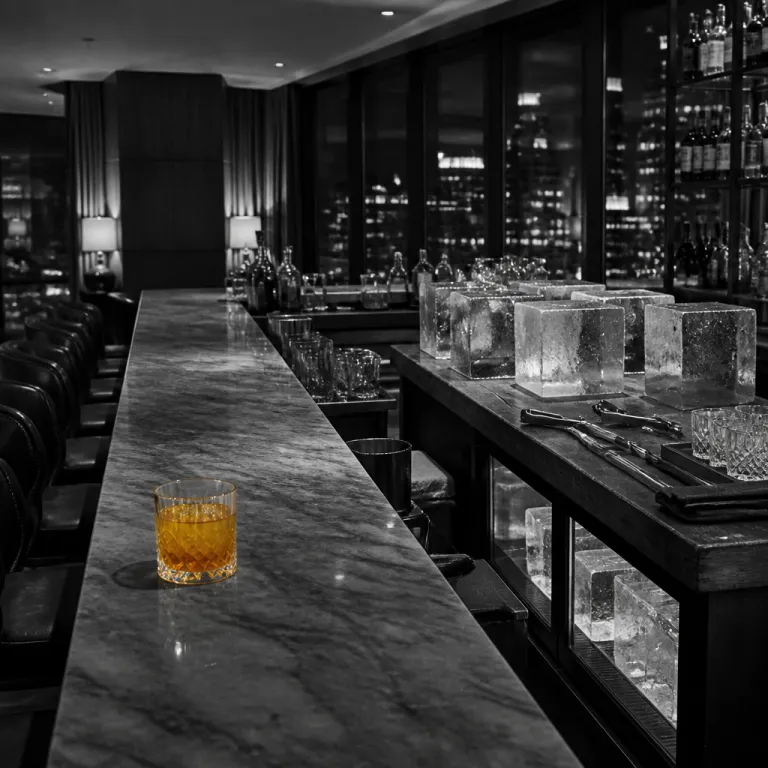
Why ice became the quiet obsession of luxury hotel bars
Walk into a serious luxury hotel bar now and you can hear the ice before you see it. Behind the polished counter, bartenders treat each cube as infrastructure for every cocktail rather than a decorative afterthought. In the upper tier of cocktail bars inside hotels, a dedicated ice program and craft cocktail philosophy now shape everything from storage rooms to beverage programs.
Across leading hotel bars, clear ice has become a new premium standard for any elevated drink. Industry surveys from trade groups such as the U.S. Bartenders’ Guild and the Tales of the Cocktail Foundation suggest that a growing majority of high end bars now use specialized ice to control dilution and raise visual impact, and guest satisfaction with this premium beverage approach has risen accordingly. One expert summary from spirits educator Dave Arnold in his book “Liquid Intelligence” captures the shift with precision: “Clear ice melts slower, reducing dilution and enhancing presentation.”
This obsession is not only about looks; it is about physics, flavor and service. Clear cubes and spheres have less trapped air, so they melt slower and keep drinks colder for longer without flooding a craft cocktail with water. For travelers choosing a hotel, a strong cocktail culture and a visible commitment to clear, well made ice often signal that the bar, the beverage service and the wider property take detail seriously.
Behind the scenes, ice production has become a full operational discipline in many premium hotels. Dedicated ice machines, filtration systems and even separate ice rooms now sit alongside wine cellars and pastry kitchens. At properties such as The Connaught Bar in London or the Bar at The Ritz-Carlton, Tokyo, a praised ice program and craft cocktails offering usually reflect this hidden infrastructure of high capacity ice production and a carefully trained team behind the counter.

The physics of clear ice, dilution and temperature in your glass
For a couple settling into a lobby bar after check in, the first cocktail often sets the tone for the stay. The way ice behaves in that drink quietly shapes texture, aroma and how long the flavors stay in balance. In serious cocktail programs, bartenders think about surface area, temperature curves and melt rates with the same care a chef gives to cooking times.
Clear ice is made by directional freezing, which pushes impurities and air out of the cubes as water solidifies from one direction. Bars that invest in this method, whether through large ice machines or artisanal blocks, end up with crystal clear cubes and spheres that melt predictably and slowly. Because these cubes have less surface area exposed relative to their volume, they chill a premium beverage efficiently while delaying dilution, which matters for spirit forward craft cocktails.
Different shapes serve different drinks, and the best hotel bars treat this as a design language. Large clear spheres are ideal for a single pour of Japanese whisky or an Old Fashioned, while tall rectangular cubes suit highball drinks where carbonation and temperature must stay stable. When you see a hotel cocktail menu that specifies cubes, spheres or specialty ice, it signals that the drinks program is engineered around physics, not just flavor notes.
Guests often notice only the visual drama of crystal clear ice, but the real benefit arrives ten minutes into the drink. A Negroni resting on a single block will taste focused and cool, while the same cocktail over standard machine ice becomes flat and watery. When choosing where to stay, look for hotels whose beverage programs talk openly about clear ice, craft ice and ice production; it usually means the bar team understands how science supports pleasure.
For travelers who use the hotel bar as a lens on the city, this attention to detail often extends to local recommendations and neighborhood insight. Properties where the bartender can explain clear spheres and surface area are often the same places where one evening drink can reveal an entire destination.
From Tokyo to New York: the craft of carving and producing ice
Many of the most refined hotel bars credit Japanese bartending for their ice philosophy. In Tokyo, the cocktail scene elevated hand carved ice into a live performance, with bartenders shaping clear spheres in front of guests using compact knives and a calm, almost meditative rhythm. That approach has influenced luxury hotel bar strategies from intimate lounges in Shinjuku to high floor bars in New York and London.
In these rooms, the craft cocktail is not only about the spirit and garnish but also about the choreography of ice production. Large blocks are frozen using directional methods, then cut down into cubes, clear spheres or specialty ice shapes that match specific glassware. Some hotels still rely on hand carving for their most premium beverage serves, while others use heavy ice presses and high capacity ice machines to keep up with busy cocktail bars without sacrificing clarity.
The logistics are significant, and they explain why a single sphere can cost more in labor than the whisky it chills. Many properties now maintain dedicated ice rooms with controlled temperatures, filtered water and strict hygiene standards that exceed the usual bar requirements. When you see a menu note about craft ice or clear ice, it often reflects a full backstage ecosystem of ice production, from block freezing to final shaping at the bar.
Partnerships with ice suppliers and equipment manufacturers have become as important as relationships with distilleries. Some hotels commission external ice artisans for crystal clear blocks, while others invest in large format machines that freeze slabs for in house cutting. At the top end of the market, beverage programs are now judged on how well they integrate this infrastructure into seamless beverage service, much as they are judged on their spirit lists or wine cellars.
These collaborations are reshaping how hotel brands think about bar identity and long term cocktail culture. A notable example is the way legendary New York hotel bars such as The NoMad (during its hotel era) and Bemelmans Bar at The Carlyle have exported their standards to grand hotels abroad, where ice and service rituals travel with the brand and help define the partnership.
Design, aesthetics and the social media life of a perfect cube
In the age of social media, the first sip of a cocktail often happens through a screen. Luxury hotel bars understand that a glass filled with crystal clear ice, a precise garnish and a measured pour can travel worldwide in seconds. That visual power has turned ice into a design tool as much as a technical ingredient.
Shape dictates glassware, which in turn influences how a drink feels in the hand and how much guests are willing to pay. A low tumbler cradling a single clear sphere signals a contemplative, slow drinking experience, while a tall Collins glass stacked with long cubes suggests refreshment and length. When hotels design their cocktail menus, they now map each recipe to a specific combination of glass, specialty ice and garnish to create a coherent visual language.
For couples choosing a romantic stay, these details can be the difference between a forgettable pre dinner drink and a memory that anchors the trip. Bars that invest in craft ice and clear spheres often build signature cocktails around them, using the ice as a stage for color gradients, citrus oils or delicate aromatics. The best programs ensure that the visual drama supports flavor and texture rather than distracting from them, so that the premium beverage feels as considered as it looks.
Standard hotel bars may rely on generic ice machines and mixed size cubes, which create uneven dilution and a cloudy appearance. By contrast, properties that treat ice production as part of their brand identity often highlight their ice technology and craft cocktail approach in marketing materials and on social media. When browsing options on a booking platform, pay attention to images of the bar and drinks; a focus on clear ice and well structured cocktail programs usually signals a higher level of beverage service.
For travelers who enjoy more intimate, narrative driven drinking experiences, some properties extend this design thinking into hidden lounges and password only rooms. These spaces show how a carefully lit bar, a single glowing cube and a quiet bartender can turn frozen water into theatre.
Cost, sustainability and how to read an ice program when booking
Behind every perfect cube lies a spreadsheet of costs, energy use and staffing hours. High capacity ice machines, filtration systems and dedicated storage rooms require capital investment that only certain hotels are willing to make. For travelers, understanding this helps explain why a martini at one property feels expensive yet justified, while the same drink elsewhere feels like a poor value.
Premium ice production consumes energy, especially when hotels run large machines or maintain low temperature rooms to store blocks and spheres. Some properties now offset this footprint by using more efficient ice makers, scheduling batch production during off peak hours or pairing ice programs with broader sustainability initiatives such as solar power. When you read about a luxury hotel bar strategy that mentions environmental responsibility, it usually reflects this kind of operational thinking rather than simple marketing language.
From a guest perspective, the key is to read between the lines of bar menus and hotel descriptions. Look for mentions of clear ice, craft ice, specialty ice or crystal clear cubes, as well as references to directional freezing or hand carving. These signals, combined with a focused list of cocktails and a concise set of drinks programs, often indicate that the beverage service is built around quality rather than volume.
When comparing hotels on a booking website, pay attention to how the bar is photographed and described. Properties that highlight their cocktail bars, their beverage programs and their ice production methods usually see the bar as the soul of the stay, not just an amenity. For couples planning a trip, choosing a hotel where the bartender cares about surface area and melt rate as much as the spirit list is a reliable way to secure evenings that feel both intimate and expertly calibrated.
How to choose a hotel when the bar is your priority
If the bar is where your evenings begin and end, your hotel choice should start there. Before booking, study the cocktail list, the glassware and any mention of ice machines or craft ice in the property description. A hotel that speaks clearly about its beverage programs and cocktail culture usually understands that the bar is a stage for memory making.
When you arrive, take a moment to watch how the team handles ice behind the counter. Do they use cloudy, fast melting cubes from a standard ice machine, or do you see crystal clear blocks, spheres and specialty ice shapes being cut to order? In well run cocktail bars, the bartender will be able to explain why a particular drink uses a single large cube, crushed ice or clear spheres, and how that choice affects both temperature and dilution.
Ask about signature drinks that showcase the bar’s ice philosophy. Many properties now build hero cocktails around their most impressive ice, whether that means a slow melting sphere in a whisky serve or a tall column of clear ice in a gin highball. These drinks often reveal the bar’s approach to balance, service and storytelling, giving you a quick read on whether the venue deserves multiple visits during your stay.
Finally, remember that a serious ice program usually signals a broader culture of care. Hotels that invest in high capacity ice production, well maintained ice machines and thoughtful beverage service tend to apply the same standards to housekeeping, breakfast and concierge support. For couples who see the bar stool as the real front desk, choosing properties where frozen water is treated with respect is one of the most reliable ways to secure a stay that feels genuinely premium from first drink to last.
FAQ
Why do luxury hotel bars care so much about clear ice?
Luxury hotel bars prioritize clear ice because it melts slower, keeps cocktails colder for longer and enhances visual presentation. Clear cubes and spheres contain fewer air bubbles and impurities, which means more predictable dilution and a cleaner flavor profile. For guests, this translates into drinks that stay balanced from the first sip to the last.
How do hotel bars usually make clear ice for craft cocktails?
Most serious hotel bars use directional freezing, where water freezes from one direction so that air and impurities are pushed out. Some venues freeze large blocks in specialized machines, then cut them down into cubes, spheres or other shapes for specific drinks. Others work with external ice suppliers who deliver crystal clear blocks that the bar team then shapes in house.
Does the shape of the ice really change how a cocktail tastes?
Yes, ice shape affects both temperature and dilution, which directly influence taste and texture. Large cubes or spheres have less surface area relative to their volume, so they chill the drink efficiently while melting slowly. Crushed ice or small cubes melt faster, which suits some refreshing cocktails but can quickly unbalance spirit forward serves.
What should I look for in a hotel if the bar is important to me?
Check whether the hotel highlights its bar, cocktail bars or beverage programs in descriptions and photos. Look for mentions of clear ice, craft ice, specialty ice or hand carved cubes, as these usually indicate a thoughtful approach to cocktails. Once on site, watch how the team handles ice and ask about signature drinks that showcase their ice program.
Are premium ice programs bad for the environment?
Premium ice programs can use more energy because of larger machines and dedicated storage, but many hotels now manage this impact carefully. Some invest in efficient ice machines, schedule batch production during off peak hours or pair ice programs with renewable energy initiatives. When a bar talks openly about both quality and sustainability, it usually reflects a considered approach rather than pure marketing.