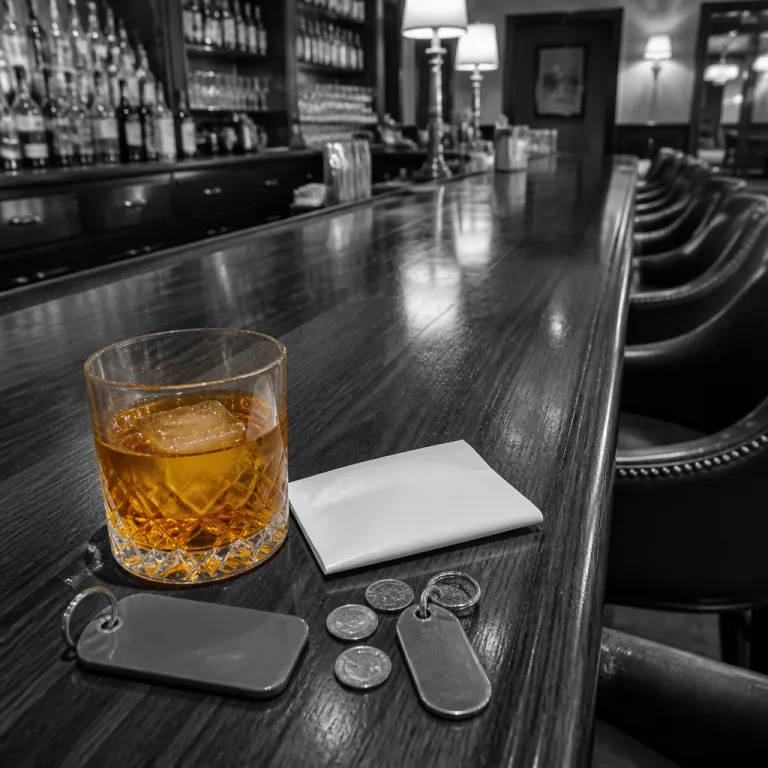
When the bar is the reason to book the hotel
For a growing number of cocktail literate travelers, the decision to book a hotel is less about thread count and more about the pour. When the hotel bar is the soul of the property, guests are effectively paying a premium for guaranteed access to that room where the ice is carved by hand and the bartender remembers your last drink. The question is not whether these bars are good; it is whether the extra nightly rate, the higher cocktail prices, and the embedded food and drinks spend genuinely earn their place in your travel budget.
Across major cities, a luxury hotel cocktail typically sits in the 22 to 35 dollar range, with New York City averaging around 25 dollars and Las Vegas closer to 18 dollars for similarly crafted drinks. These figures draw on a blend of published hotel bar menus, rate comparisons across flagship properties, and internal tracking of sample checks over peak and off peak nights, cross checked against public pricing from well known venues such as The Connaught Bar in London, Bemelmans Bar in New York, and SkyBar at the Waldorf Astoria Las Vegas as of early 2024. That means a solo explorer who plans to enjoy three cocktails per night at the hotel bar will easily cross 70 dollars before even glancing at food menus or ordering any dishes. When you add a room premium of 100 to 200 dollars per night for bar forward hotels compared with solid but less bar obsessed competitors, the cost benefit equation becomes very real very quickly.
The core calculation is simple yet personal: you are weighing the convenience, atmosphere, and service of staying in the same hotel as your favorite bar against the flexibility of sleeping elsewhere and treating the bar as a destination. Some guests value the ability to ride an elevator instead of a rideshare after a long day of business meetings or city exploration, especially when they plan to drink more than one cocktail. Others prefer to keep accommodation costs lean, then roam between several local bars and modern speakeasies, using the hotel only as a quiet base rather than a nightly stage.
The price of the pour: room premiums, bar tabs, and hidden value
To decide if you should book a hotel primarily for its bar, start by separating the room rate from your likely bar spend. In many global cities, bar focused hotels command a 20 to 40 percent premium over comparable hotels without destination bars, which often translates into that 100 to 200 dollar nightly difference. These estimates come from comparing like for like properties in the same neighborhood and star category over multiple booking dates, then averaging the gap between bar centric hotels and nearby competitors using publicly listed rates on major booking engines. If you are a solo traveler who will realistically order one cocktail before dinner and one nightcap after, that premium may be harder to justify than for guests who treat the hotel bar as their primary evening venue.
Hotel management teams know that a strong bar can turn a room into a lifestyle purchase, so they design packages that quietly bundle in value. Look for offers including daily food and beverage credits, complimentary welcome drinks, or late checkout that lets you enjoy the bar hotel experience without rushing after a long day. When those credits are used smartly on cocktails, small plates, and breakfast dishes the next morning, the effective cost of both the room and the drinks drops significantly.
Timing matters as well: if your trip revolves around a special occasion, a first visit to a city, or business entertaining where the setting must impress, paying for a hotel bar with a skyline view can be a strategic investment. On a random summer Friday, though, you might be better served by staying in a simpler hotel and treating a legendary bar as a place you cross town for, much like the after work rituals described in this deep dive into hotel bar summer Fridays. In those cases, you still enjoy the cocktails, the service, and the atmosphere, but your accommodation budget remains anchored in practicality rather than in nightly Negronis.
Guest versus walk in: access, queues, and the value of priority
Some bars inside hotels are so iconic that the real luxury is not the drink but the ability to sit down without a ninety minute wait. Think of Bemelmans Bar at The Carlyle in New York or the Carousel Bar at Hotel Monteleone in New Orleans, where walk in guests often queue while hotel guests glide to priority seating. If your travel dates coincide with peak seasons or major events, reserving a room in the same property can be the difference between nursing one rushed drink at the standing rail and enjoying a slow, multi round evening.
Being a registered guest often unlocks subtle but meaningful service advantages that never appear on the website. Hosts may hold a few tables for in house guests, bartenders may be more willing to go off menu with cocktails local to the region, and the team will usually charge drinks to your room so you can track your bar tab against your overall travel budget. Over several nights, that familiarity can turn a good hotel bar into your personal living room, especially if you are traveling solo and value a place where staff greet you by name.
Before you commit to the higher room rate, study the cocktail list and layout carefully, ideally using guides on how to read a hotel bar cocktail menu such as this bartender led breakdown. Ask yourself whether the bar’s design, the view, and the food menus align with how you actually like to drink and eat, not how the marketing photos suggest you should. If you prefer quiet corners, low lighting, and classic drinks, a loud lobby bar with a DJ and mostly standing room will not feel worth the premium, no matter how many times the word modern appears in the description.
Loyalty programs, credits, and how points change the math
For frequent travelers, loyalty programs can tilt the cost benefit analysis decisively in favor of booking the hotel with the bar you love. Chains like Marriott Bonvoy, World of Hyatt, and Accor Live Limitless increasingly reward bar and restaurant spend with accelerated points earning, especially for elite guests. When every cocktail, every round of drinks, and every shared plate of dishes earns points toward future nights, the effective price of your current stay quietly drops.
Many premium credit cards and hotel status tiers now include annual food and beverage credits that can be used at on site bars. If you hold a card that offers, for example, a 100 dollar credit per stay, using it entirely at the hotel bar over a long day of meetings can turn three or four cocktails and some bar snacks into a near free evening. Combine that with complimentary breakfast, late checkout, and potential room upgrades that include lounge access with evening drinks, and the value of staying in the same hotel as your favorite bar becomes much clearer.
There is also a psychological benefit: when you know that a portion of your bar spend is effectively subsidized by points or credits, you are more likely to enjoy the experience fully rather than mentally calculating every sip. Just remember that loyalty only helps if you return to the same ecosystem of hotels, so a one off stay at an independent bar hotel may not deliver the same long term return. In those cases, prioritize properties where the bar’s cocktails local to the city, the service culture, and the overall travel story feel strong enough to justify the full, unsubsidized bill.
When to book for the bar, and when to just visit
Not every trip demands that you reserve a room primarily for its cocktail bar; some journeys are better served by separating where you sleep from where you drink. If you are on a repeat visit to a familiar city, already know the local bar scene, and plan to spend evenings exploring multiple venues, then treating the hotel bar as optional rather than essential keeps your options open. In that scenario, a well located but simpler hotel with clean rooms and efficient service may free up budget for more ambitious cocktails and food in independent bars and restaurants.
On the other hand, there are clear moments when booking the bar hotel is the smart move. First time visits to cities with legendary hotel bars, milestone celebrations, or business trips where you will host clients all benefit from having a controlled, high quality environment downstairs that you can rely on after a long day. You gain the ability to move seamlessly from meeting to martini, from laptop to lowball glass, without worrying about transport, dress codes, or whether the next place will have space for your group.
Think of it as choosing your home stage; if the bar’s view, music, and food menus match the mood you want for this specific trip, then paying extra for that integrated experience can be justified. If not, keep your accommodation flexible and treat the city’s best bars as destinations you reach by foot, tram, or taxi, returning to a quiet room only when the last drink has been poured. Either way, the key is to be intentional rather than defaulting to the nearest lobby bar out of habit or convenience.
Signature cocktails, local flavor, and the real experiential premium
The most persuasive argument for booking a hotel around its bar often lies in the glass itself. Many of the world’s leading hotel bars now operate as laboratories for signature cocktails that weave local ingredients, regional spirits, and city specific stories into every drink. When a bar team builds a menu around cocktails local to the neighborhood, from Tokyo highballs with precise carbonation to Oaxaca agave riffs with house made bitters, the experience becomes something you cannot easily replicate elsewhere.
These bars rarely exist in isolation; they sit within hotels whose design, lighting, and food menus are calibrated to support the bar’s narrative. A rooftop hotel bar in Singapore might pair its gin based signature cocktail with hawker inspired dishes, while a Parisian lobby bar could offer small plates that reinterpret classic bistro food in a modern, shareable format. In both cases, guests are paying not just for drinks but for a curated sequence of flavors, textures, and views that turn a simple nightcap into a full sensory chapter of their travel story.
As one common industry assessment puts it, “Are hotel bars more expensive than local bars? Yes, hotel bars often charge higher prices due to premium services and ambiance.” That premium only feels justified when the service is attentive without being intrusive, the cocktails are executed with precision, and the atmosphere makes you forget the long day that came before. If those elements align, the decision to stay in the same hotel as the bar becomes less about math and more about the rare pleasure of having a world class drinking den as your temporary living room.
Design, atmosphere, and the rise of the bar centric stay
The modern bar hotel is no longer a quiet corner off the lobby; it is often the architectural and emotional center of the property. From Hong Kong’s vertiginous rooftop lounges to Mexico City’s courtyard mezcal bars, hotels are investing heavily in spaces where guests can enjoy a drink with a view that frames the city as part of the experience. This shift has created a new category of traveler for whom the bar is the primary filter when choosing where to sleep, work, and socialize.
For these travelers, the question is not simply whether to prioritize the bar when booking, but which specific bar centric hotels justify their rates through design and atmosphere. A well executed hotel bar will offer multiple zones, including counter seating for solo guests, low tables for dates, and communal spaces for business conversations that may stretch into the night. Lighting, acoustics, and even the ergonomics of the bar stools become part of the value proposition, especially when you plan to spend several hours there after a long day.
Rooftop venues add another layer of appeal, as explored in this analysis of why hotel bars keep climbing higher. When a bar offers a panoramic view, a focused cocktail program, and thoughtful small dishes, the premium you pay for both the room and the drinks can feel like an investment in time well spent rather than a splurge. The key is to choose hotels where the bar’s concept, the local neighborhood, and your own travel rhythm align, so that every evening feels intentional rather than improvised.
Key figures for bar focused hotel stays
- Average cocktail prices in top tier hotel bars range from about 18 dollars in Las Vegas to around 25 dollars in New York City, reflecting both local cost structures and the premium placed on hotel bar ambiance (bar stay internal pricing analysis based on sampled menus and guest checks across multiple properties, cross referenced with publicly available menus from venues such as The Connaught Bar, Bemelmans Bar, and SkyBar).
- Room premiums for bar centric luxury hotels commonly sit between 100 and 200 dollars per night above comparable properties without destination bars, especially in major business and leisure hubs worldwide, based on repeated spot checks of publicly listed rates on major booking platforms over multiple midweek and weekend dates.
- In cities like London, average hotel bar cocktails priced around 23 pounds often run 20 to 40 percent higher than similar drinks in independent neighborhood bars, underscoring the experiential surcharge attached to hotel venues and the value placed on design, service, and location.
- For a solo traveler planning three cocktails per night over a three night stay, the bar bill alone can easily exceed 200 dollars, which is comparable to or higher than the total room premium paid for a bar focused property in many markets, making it essential to weigh how central the bar will be to your itinerary.
- Loyalty program food and beverage credits of 50 to 100 dollars per stay can offset a significant portion of hotel bar spend, effectively reducing the real cost of cocktails and making bar centric bookings more financially viable for frequent guests who consistently return to the same hotel ecosystem.
FAQ
Is it cost effective to book a hotel primarily for its bar?
It can be cost effective to book a hotel around its bar if you plan to use the venue heavily and value the convenience of staying on site. When you factor in potential food and beverage credits, loyalty points on bar spend, and the time saved after a long day of work or sightseeing, the premium can be justified. If you only plan one quick drink each night, though, you may be better off staying elsewhere and visiting the bar as a walk in.
Are hotel bars more expensive than local bars in the same city?
Yes, hotel bars are usually more expensive than independent local bars in the same neighborhood. As the dataset notes, “Are hotel bars more expensive than local bars? Yes, hotel bars often charge higher prices due to premium services and ambiance.” You are paying for design, service standards, and often a prime view, so it is important to decide whether those elements matter enough for this particular trip.
Do hotel bars offer unique cocktails that I cannot find elsewhere?
Many leading hotel bars build their reputation on signature cocktails that highlight local ingredients, regional spirits, and house techniques. These cocktails local to the city often appear only on that specific bar’s menu, making them a compelling reason to visit or even to stay in the same hotel. If you care about tasting place driven drinks and watching skilled bartenders work, the experiential value can outweigh the higher prices.
When should I book the hotel with the great bar, and when should I just visit?
Book the bar hotel when the venue will be central to your trip, such as milestone celebrations, first time visits to cities with legendary hotel bars, or business travel where you will host clients. In those cases, having the bar downstairs, with reliable service and controlled atmosphere, adds real value after a long day. On repeat visits or budget conscious trips, it often makes more sense to stay in a simpler hotel and treat the bar as one stop among many in the wider local scene.
How can I maximize value if I decide to stay for the bar?
To maximize value, combine loyalty program benefits, food and beverage credits, and smart ordering. Use credits on higher margin items like cocktails and small dishes, track your bar spend against the room premium, and take advantage of any guest only happy hours or welcome drinks. By aligning your actual habits with the hotel’s offers, you turn a potentially expensive bar focused stay into a well structured, high return travel experience.