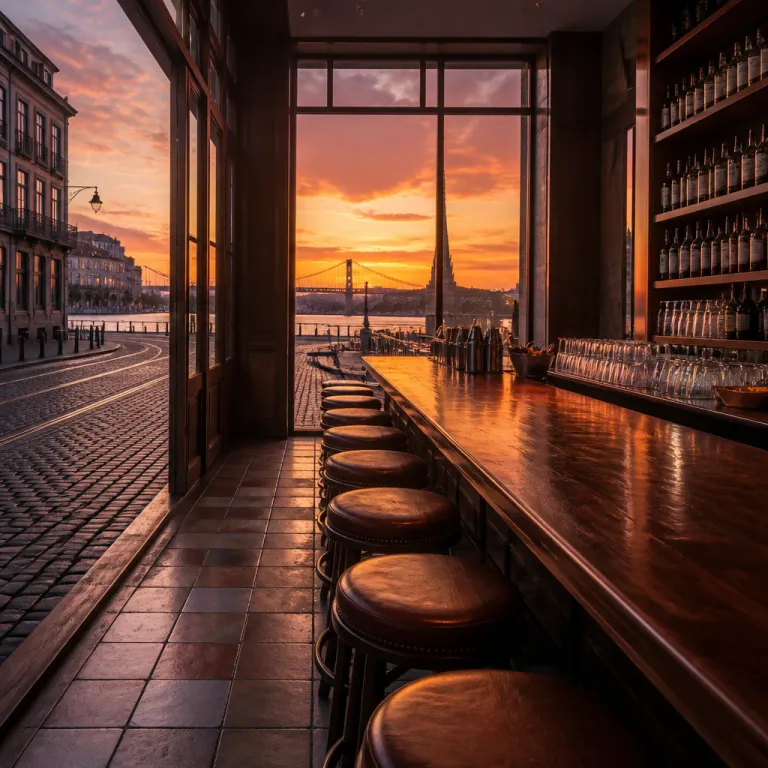
Why the hotel bar is your smartest city guide destination
The most reliable place to tap into local culture inside a hotel is often the bar stool closest to the service station. In a well run luxury property, the bar staff are trained hosts who pour with precision and quietly edit the city for you, turning one evening drink into a fast track to the best streets, the right museum, and the neighborhoods worth your limited time. When you treat the bar as a cultural hub rather than a lobby shortcut, the entire city starts to feel legible within a single day.
Across any major city, from New Orleans to San Diego and Los Angeles, the best hotel bars operate as living guidebooks where local regulars and travelers cross paths over food and drink that reflect the surrounding culture. A 2023 American Hotel & Lodging Association overview of guest behavior notes that a clear majority of travelers now visit on property bars during their stay, and internal guest surveys from large brands such as Marriott consistently find that travelers who interact with bar staff for local tips report higher satisfaction with their overall city experience. In many contemporary hotel strategies, the bar is now positioned as a cultural hub and neighborhood living room, with increased local patronage treated as a core expectation rather than a fringe trend.
For a solo explorer, this shift is powerful because it compresses the best things about a new destination into a single, safe, well lit room. You can sit at the counter, order a signature cocktail built around local food ingredients, and ask the bartender which neighborhood has the most interesting arts culture or where to find live music that is not a tourist trap. In that moment, the hotel bar becomes less about the drink and more about editing the noise of the city into a clear, personal itinerary.
Reading the room: how to choose the right hotel bar in any city
Not every lobby lounge will function as a true cultural compass, so your first task is to read the room with the same care you give a wine list. Look for a mix of hotel guests and local patrons at the bar, because a room filled only with conference lanyards rarely reflects the real city or its culture. When you see multiple locations of the same brand across the city, choose the one where the bartender greets people by name and the playlist feels curated rather than algorithmic.
In New Orleans, for example, a refined property in the business district can still channel the energy of the French Quarter without copying its louder bars on Bourbon Street. A hotel like the jewel south of Canal Street might pour a Sazerac with a rye from a nearby distillery, then send you toward Frenchmen Street for live music instead of the more chaotic stretches of Bourbon Street during Mardi Gras season. When you stay in a grand address near the Opéra district in Paris, such as the property profiled in this refined Opéra district hotel review, the bar team often plays the same editorial role, steering you between tourist clichés and the city’s best corners for a late walk.
Pay attention to the menu language, because it quietly signals how seriously the hotel takes its role as an informal city guide. References to nearby markets, collaborations with local roasters or distillers, and seasonal food drink pairings tell you that the bar is plugged into the neighborhood rather than operating in a generic luxury bubble. When the staff can speak fluently about a sculpture garden across the river or a small group food tour in the garden district, you know you have found a bar that edits the city with care.
From trigona honey to Taipei highballs: how ingredients tell the city’s story
The most compelling hotel bar introductions to local culture do not start with a map; they start with the garnish on your drink. When a bartender explains that the citrus in your martini comes from a farm just outside the city, or that the honey in your Old Fashioned is Malaysian trigona honey sourced through a long term partnership, you are being handed a liquid map of the region. This ingredient level storytelling turns a simple bar order into a short course on local food systems and culture.
Bar Trigona at Four Seasons Kuala Lumpur is a benchmark for this approach, using trigona honey and Malaysian botanicals to narrate the surrounding landscape through cocktails that feel both polished and rooted. Origin Bar at Shangri La Singapore does something similar with Southeast Asian ingredients, folding pandan, jackfruit, and regional spices into drinks that feel like a curated food tour of the city compressed into three sips. In Taipei, several refined hotels highlighted in this guide to where to stay in Taipei for exceptional bars use highball programs and tea infusions to connect guests directly to Taiwanese tea culture and night market flavors.
For you as a solo traveler, this means that the bar can preview the city’s food and drink landscape before you commit a full day to exploring. Ask which cocktail best represents the city’s signature flavors, then follow the ingredient trail to the market, the roastery, or the restaurant where those flavors originate. By the time you visit a museum, stroll a sculpture garden, or sit down for fine dining, you will already have tasted the city’s narrative in the glass in front of you.
Using one evening drink as your first night orientation ritual
Think of your first evening drink at the hotel bar as a structured ritual rather than a casual habit, because this is where the idea of the bar as a city orientation tool becomes practical. You arrive in the city, drop your bag in the room, and head straight to the counter with a clear objective: to translate jet lag and curiosity into a workable plan for the next day. This simple routine works in New Orleans, San Diego, Los Angeles, or any other city where the bar team understands their role as cultural interpreters.
Start by choosing a seat at the bar itself, not at a distant lounge table, because proximity invites conversation with both staff and local guests. Order a drink that feels anchored in the city, whether that is a rye based classic in the French Quarter, a tequila forward highball in San Diego, or a restrained martini in downtown Los Angeles near the business district. Then ask three specific questions: where should I go for live music that locals actually enjoy, which neighborhood has the most interesting arts culture right now, and what is the one food experience I should not miss tomorrow.
To make this even easier, treat your first night as a short script. Open with, “If you had one evening to show a friend the real city, where would you send them for live music?” Follow with, “Which neighborhood feels most exciting for galleries, street art, or local design at the moment?” Close with, “Tomorrow I have one main meal to plan—what is the single food experience you would insist I try, and what time should I go?” A 2022 Skift survey on urban travelers reported that guests who sought in person advice from hotel teams were significantly more likely to describe their trip as “authentic” than those who relied only on apps. When you repeat this ritual across multiple locations over several trips, you build a personal archive of city best moments that no algorithmic city guide can match.
New Orleans as a case study: from hotel bar stool to street level culture
Few places illustrate the hotel bar as a cultural hub more vividly than New Orleans, where the line between lobby and street feels unusually porous. A well run hotel in the French Quarter or the adjacent business district can use its bar to filter the city’s intensity into something legible for a first time visitor. One evening at the counter can help you navigate from the polished calm of your hotel to the layered chaos of Bourbon Street, Frenchmen Street, and the quieter corners of the garden district without feeling lost.
Imagine arriving in early July, when the heat is thick and the calendar is dotted with festivals that echo the energy of Mardi Gras without its full scale crowds. You take a seat at the bar of a property sometimes described as a jewel south of Canal Street, order a Sazerac, and mention that you want to hear live music that locals actually attend. The bartender might sketch out a route that starts with a small group food tour in the late afternoon, continues with live music on Frenchmen Street, and ends with a quiet nightcap back at the hotel while the louder parts of Bourbon Street burn off their energy outside.
Along the way, the bar team can point you toward a sculpture garden in City Park, a lesser known museum that deepens your understanding of local arts culture, and a fine dining room where Creole food is treated with respect rather than spectacle. They might also warn you about the rhythm of timing your visit to the French Quarter: early in the day for architecture and coffee, later for people watching and brass bands. By the time you leave New Orleans, the city will feel less like a chaotic collage of bars and more like a coherent narrative that began with a single drink at your hotel.
Planning your stay: matching hotel, bar, and room to your city goals
Choosing a property for a city escape means thinking of the hotel bar, the room, and the neighborhood as a single ecosystem rather than separate line items. If your priority is to use the bar as a nightly briefing room for local culture, you want a space that stays lively past dinner but does not tip into nightclub territory. In cities like San Diego, Los Angeles, or New Orleans, that often means a hotel on the edge of the action rather than in the noisiest block.
Look for hotels that integrate local food into their bar menus, whether through collaborations with nearby restaurants, guest chef nights, or snacks that echo the city’s street food. Properties that take this seriously often also invest in thoughtful room design, such as the elegant two bedroom suites highlighted in this guide to refined city break hotel stays, where you can retreat after a dense evening of conversation at the bar. When the bar, the room, and the surrounding streets all speak the same design language, your overall experience of the city’s best qualities becomes more coherent.
As you plan, map your days so that each evening drink at the bar closes a loop rather than simply filling time. Spend the day following leads from the previous night: a museum in the arts district, a sculpture garden on the edge of town, a fine dining reservation that grew out of a bartender’s offhand comment about a chef. Then return to the bar, share what you found, and let the staff refine your next set of best things to see, turning your stay into a collaborative project between you, the city, and the people who pour your drinks.
Key figures: hotel bars as cultural hubs for city escapes
- Industry commentary from the American Hotel & Lodging Association indicates that the percentage of travelers visiting hotel bars during their stay now sits comfortably above the halfway mark, underscoring how central the bar has become to the overall hotel experience.
- In feedback from luxury properties worldwide, guests who engage with hotel bar staff for local recommendations report higher satisfaction scores for city understanding than those who rely only on digital maps or generic city guides.
- Properties that position the bar as a cultural hub, with menus tied to local food and drink producers, often see increased local patronage, which in turn gives travelers more authentic contact with residents.
- Solo travelers using the bar as a first night orientation point typically condense two to three days of trial and error into a single focused evening of curated advice, improving the effective ROI of short city breaks.
FAQ: using the hotel bar as your city guide destination
How can hotel bars enhance travel experiences for solo travelers ?
Hotel bars enhance solo travel by offering a safe, structured space where you can meet local residents and knowledgeable staff without the pressure of a traditional nightlife venue. By asking targeted questions about neighborhoods, food, and live music, you quickly build a personalized plan for the city. This turns one evening drink into a practical orientation session rather than just a way to pass time.
Are hotel bars good places to meet locals and understand culture ?
In many cities, especially those with strong hospitality traditions like New Orleans or San Diego, hotel bars attract a mix of locals and travelers. Locals often use these bars for business meetings or quiet drinks away from busier streets, which creates natural opportunities for conversation. When you combine their insights with the bartender’s perspective, you gain a layered view of the city’s culture that guidebooks rarely match.
What should I ask the bartender on my first night in a new city ?
Focus on three areas: where to eat, where to hear live music, and which neighborhoods best reflect the city’s current energy. Ask for one recommendation in each category that they would give a friend, not a generic tourist. Then follow up with practical questions about timing, safety, and how to move between areas, so your next day feels both efficient and relaxed.
How do I choose a hotel if I care most about the bar ?
Prioritize hotels where the bar menu highlights local ingredients, the room feels like a calm retreat, and the location sits near but not inside the noisiest nightlife zones. Read recent reviews that mention the bar staff by name, because that usually signals consistent service and strong local knowledge. When possible, choose properties in neighborhoods with museums, sculpture gardens, or fine dining within walking distance, so bar recommendations are easy to act on.
Can a hotel bar replace a traditional city guide or tour ?
A hotel bar will not replace a detailed city guide or a structured tour, but it can sharpen both. Use the bar to filter options, confirm which tours or museums are worth your limited time, and learn about small group experiences that may not appear in mass market listings. Combined with a good map and a bit of curiosity, this approach often leads to a more personal and efficient city escape.