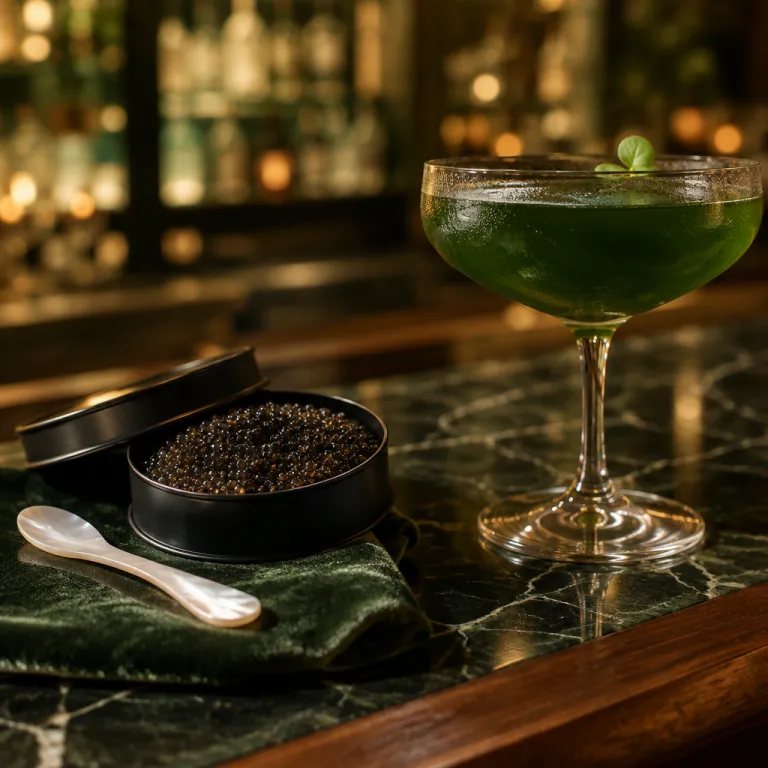
Why caviar and cocktails belong at the same bar counter
Caviar and cocktails share a quiet secret: both are about balance. The salinity of caviar and the texture of each pearl sharpen the palate, while a well-built drink frames that intensity with acidity, chill and measured aromatics. When a hotel bar understands this, the caviar-and-cocktail moment stops being a gimmick and becomes a focused dining experience in miniature.
Think of the bar as a tasting instrument, not just a place for pre-dinner drinks. A Martini with a high-mineral gin such as Plymouth or Tanqueray No. Ten, stirred very cold and served without a citrus twist, lets the caviar tasting shine, whereas a citrus-heavy drink can flatten the nuance of caviar dishes and any caviar-topped canapés. The best hotel bars now write their menu so that caviar bites, oysters alongside and even a small raw bar selection fresh from the market sit in dialogue with crafted cocktails and a tight wine list.
Salinity loves contrast, which is why Champagne and chilled vodka have long been considered caviar’s best friends. A new generation of bar teams is pushing further, using expertly crafted low-sugar cocktails built on agave spirits, fino sherry or even clarified milk punches to echo the texture of fresh seafood and foie gras. When this is done well, the ritual of pairing caviar service with serious drinks feels like fine dining compressed into three or four bites and two glasses, rather than a token luxury add-on.
- Start with: classic Martini, chilled vodka, or bone-dry Champagne.
- Pair with: Ossetra or Kaluga caviar, oysters, or simple caviar-topped blinis.
- Avoid: sweet, creamy or heavily smoky cocktails that mask salinity.
The bar as restaurant counter: when the rail becomes your table
In serious hotel bars, the counter has become a front-row restaurant seat. You are no longer just handed long cocktail lists; instead, the bartender and the kitchen équipe quietly guide you through a tasting experience that might start with caviar served on mother-of-pearl spoons and end with warm, caviar-topped potato blinis. This is where the idea of a bar that can genuinely feed you really earns its place, because the rail becomes a compact restaurant with its own rhythm and intimacy.
At The Maybourne Bar in The Maybourne Beverly Hills, described by Forbes Travel Guide as the city’s only dedicated oyster and caviar bar as of 2024, that shift is clear from the first pour. The bar’s caviar program sits beside a wide selection of Champagne, precise stirred drinks and a short but focused wine list, so couples can build a full dining experience without ever leaving their stools. A typical menu might feature a 30-gram tin of Petrossian or Kaviari caviar in the US$120–US$180 range, served with traditional garnishes, alongside oysters by the half-dozen and a concise list of spirit-forward cocktails.
In cities where hotel bars are finally being treated as gastronomic destinations, such as the evolving scene of hotel bars growing up beyond the skyline, the line between restaurant and bar is intentionally blurred. A raw bar station might sit at one end of the counter, sending out fresh seafood and caviar bites to guests who never see a traditional dining room. When you are choosing where to stay, look for properties where the bar offers a clear tasting menu or at least structured caviar tasting flights, because that usually signals a kitchen and bar team working as one.
How a serious bar menu reshapes a couple’s evening
For couples, a hotel stay often begins and ends at the bar. When that bar offers only generic drinks and a short list of fried food, the evening tends to fragment, with pre-dinner cocktails in one place and the real dining experience somewhere else. A property that leans into caviar-forward bar dining lets you keep the whole night in one room, turning the counter into both aperitif and restaurant.
Imagine arriving from a long flight, dropping bags upstairs and sliding into two stools at a quiet bar. The bartender suggests a pair of expertly crafted, low-alcohol cocktails to reset your palate, while the kitchen sends out caviar bites and a small plate of fresh oysters alongside a citrus mignonette. By the time you move to a second round of drinks, perhaps a stirred rye cocktail for one of you and a glass of crisp white wine for the other, the bar’s caviar service has expanded into a sequence of caviar dishes, fresh seafood and a final plate of seared foie gras.
This kind of evening feels both efficient and indulgent, especially if you have chosen your stay during the smarter booking windows, such as the period highlighted in our guide to the smartest time to book a bar-forward hotel. You are not chasing restaurant reservations across town or loading map apps to find a late-night place that still serves quality food. Instead, the hotel bar offers a wide selection of small dishes and drinks that can stretch into a full tasting experience, leaving you steps from your room when the last caviar-topped bite is gone.
Getting the pairing right: from spirit choice to temperature
Perfect caviar and cocktail pairings are not about showing off labels. They are about understanding how temperature, dilution and garnish interact with the salt, fat and texture of different caviar varieties and other seafood dishes. When you are scanning a hotel bar menu, a few details will tell you whether the team has thought seriously about integrating caviar service with its drinks program.
First, look at the base spirits and the style of the drinks. High-proof, neutral spirits such as vodka or clean, juniper-forward gins tend to flatter caviar tasting flights, especially when stirred very cold and served with minimal garnish, while smoky whiskies or heavily spiced rums can overwhelm delicate caviar dishes and fresh seafood. A bar that offers both classic crafted cocktails and lighter, wine-based drinks gives you more room to adjust intensity as you move through a tasting menu of oysters alongside, caviar bites and perhaps a final plate of foie gras. A simple benchmark pairing is a 50:50 Martini made with London dry gin and dry vermouth, stirred over ice for at least 30 seconds and served straight up next to a spoon of Ossetra or Kaluga caviar.
Second, pay attention to how the bar handles chill and glassware, because temperature is as important to proper caviar service as it is to drinks. Caviar should arrive cold but not icy, ideally around 0–2°C (32–36°F) according to common service guidelines, with each pearl distinct, while cocktails should be served in pre-chilled glassware so they stay crisp through every sip of your dining experience. When a bar offers a clear explanation of its caviar-topped preparations, its sourcing of producers such as Petrossian or Kaviari and its philosophy on pairing, you can trust that the overall tasting experience will feel coherent rather than like a random list of luxury offers.
How to choose a hotel where the bar can truly feed you
Selecting a hotel for its bar has become a smart strategy. If you care about thoughtful caviar and cocktail pairings, you are really choosing a property where the bar is treated as a fine dining room in miniature, not just a waiting area before the restaurant. That means reading between the lines of marketing language and looking closely at how the bar, restaurant and kitchen actually work together.
Start with the bar’s food offering, not just its drinks. A serious program will show a structured menu of caviar dishes, fresh seafood from a raw bar, oysters alongside seasonal garnishes and at least one or two hot dishes such as seared foie gras or warm caviar-topped potatoes, rather than a vague promise of bar snacks. The presence of a clear tasting menu or caviar tasting flight, ideally with suggested cocktails and wine pairings, is a strong sign that the hotel treats the bar as a place for a full dining experience.
Then, look for signs of collaboration and history. Properties that have invested in reviving or elevating their bar heritage, such as those featured in our piece on how luxury hotels are resurrecting their legendary bars, tend to attract chefs and bartenders who care deeply about quality and unique guest experiences. When reviews mention that the bar offers a wide selection of caviar options, that the team can adapt crafted cocktails to your taste and that couples feel genuinely happy lingering there all evening, you have likely found a place where the bar’s caviar program is more than decoration.
FAQ
How should I start a caviar and cocktail pairing at a hotel bar?
Begin with a clean, spirit-forward drink such as a classic Martini or a chilled vodka served very cold, then order a small caviar tasting or a few caviar bites to gauge the bar’s style. From there, you can move into lighter, wine-based cocktails or Champagne while adding oysters alongside or other fresh seafood from the raw bar.
Is it better to order caviar at the bar or in the restaurant?
If the hotel treats the bar as a serious dining space, ordering caviar at the counter can be the best choice, because you can interact directly with the bartender about pairings and pacing. In properties where the restaurant runs a more extensive caviar menu, you might start with a bar caviar tasting experience, then move to the dining room for a longer tasting menu.
What drinks work best with caviar beyond Champagne and vodka?
Dry Martinis, high-mineral white wines, fino or manzanilla sherry and low-sugar, citrus-forward cocktails all work well with caviar dishes and fresh seafood. Avoid heavily sweet, smoky or creamy drinks, which can overpower the delicate salinity and texture that make caviar unique.
Can a hotel bar really replace a full restaurant dinner for couples?
In many luxury properties, a bar with a thoughtful menu of caviar dishes, oysters, fresh seafood and a few hot plates can absolutely stand in for a restaurant meal, especially for couples who prefer a more relaxed pace. The key is whether the bar offers enough variety and quality to create a coherent dining experience, rather than just scattered snacks.
What should I look for on the menu to judge caviar quality quickly?
Look for clear descriptions of origin, style and serving size, plus options for both individual caviar bites and larger tins, rather than vague luxury language. A bar that lists specific producers, offers a wide selection at different price points and suggests precise cocktail or wine pairings is usually taking its caviar program seriously.