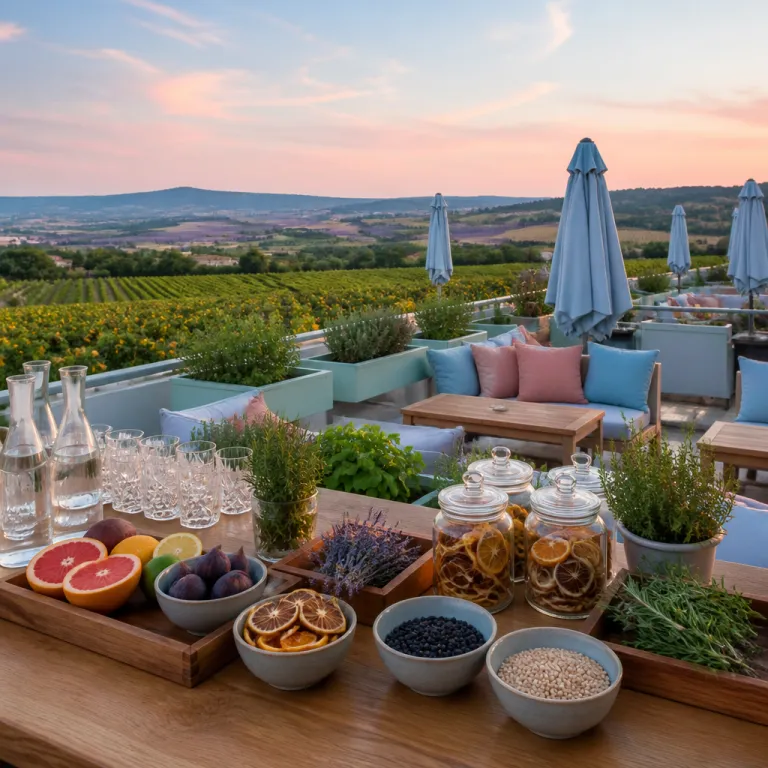
Why terroir now matters as much as room category
In the luxury hospitality industry, the most interesting hotel bar is no longer the one with the longest back bar. The new benchmark is the lobby lounge or rooftop bar whose local-ingredient, terroir-driven cocktail philosophy lets guests taste where they are, not just what they ordered. For families choosing a premium hotel, this shift means the evening drink in the lobby bar can be as meaningful as the day’s museum visit.
Across leading hotels, terroir has moved from wine vocabulary into the cocktail bar, shaping how bars source, mix and tell stories through every glass. A 2023 survey by the World’s 50 Best Bars academy and the Drinks International Bar Report estimates that about 65 % of top-tier bars use some form of local ingredient program, a rise of roughly 40 % since the early 2010s, and that change is reshaping expectations for guests who travel with children and still want a serious drink. When a hotel runs a coherent local-sourcing and sustainability program at the bar, parents can enjoy a cocktail while younger guests sip mineral water spritzes or zero-proof drinks that still reflect the same sense of place.
Hotel general managers understand that the bar plays a crucial role in brand identity, especially for premium family travelers who may spend long evenings on property. A thoughtful bar-restaurant concept that highlights local producers, regional wine and a few signature cocktails based on seasonal fruit can turn a functional lobby into a living room for the entire hotel. When that same bar also reduces waste and carbon footprint through smart sourcing, it quietly signals that sustainability is not a marketing line but a core hospitality value.
From farm to glass: how hotels build terroir driven menus
When travelers ask why hotel bars are using local ingredients, the most honest answer is simple: “To showcase regional flavors and support local economies.” A serious terroir-focused beverage program starts with mapping which farms, fisheries and artisans sit within a realistic radius of the property. For a premium family, this means the strawberry syrup in a child’s soda or the citrus twist on a parent’s martini may come from the same farm visited that afternoon.
Many leading bars now describe their approach as farm to glass, a phrase that means a drink made with ingredients sourced directly from nearby farms. In practice, that might look like a rooftop herb garden above a city hotel, or a partnership with a coastal farm that supplies both the bar-restaurant and the breakfast buffet with year-round produce. Some properties go further, installing small greenhouses or raised beds so the bar team can harvest mint, shiso or edible flowers minutes before service, tightening the link between terroir and taste.
Foraged ingredients deepen this connection, because “they add unique, seasonal flavors reflecting the local environment,” as one bar director at a Nordic luxury hotel explained in a 2022 Imbibe interview. At Bar Pleiades in New York, for example, bartenders have used foraged mugwort to create syrups and infusions that feel unmistakably East Coast, while at Fura in Singapore, an in-house garden supports a menu of cocktail-inspired drinks built on unusual botanicals. Articles on the savory cocktail movement, such as the analysis of umami-forward drinks at hotel bars on this deep dive into the savory cocktail revolution, show how chefs and bartenders now collaborate to make the bar an extension of the kitchen.
Signature cocktails that tell a place’s story
Terroir only becomes real for guests when it reaches the glass in a way that tells a story with clarity. Bar Trigona at Four Seasons Kuala Lumpur is a reference point here, with an entire program based on a single local ingredient, Malaysian trigona honey, used in both classic and contemporary serves. The result is a model where one ingredient anchors brand identity, from welcome drink to late-night nightcap; according to Four Seasons sustainability case studies shared at industry conferences, the bar now sources more than 80 % of its honey from small-scale Malaysian producers.
Other bars take a broader view, building menus around regional spirits, local wine and seasonal fruit that echo the surrounding landscape. Fresh Kills Bar in Brooklyn, for instance, rotates its menu according to what appears at the neighborhood Greenmarket, a philosophy that translates well to hotel bars seeking seasonality and sustainability without overwhelming their bar équipe. For families, this can mean a rotating list of low-alcohol spritzes or zero-proof options that change with the market, encouraging guests to stay on property rather than search for outside bars or generic chain venues.
Value still matters, even at the top end, and the best properties now use happy hour strategically to introduce guests to their terroir-driven drinks while also making the bar more approachable for families. Guides to genuine value at high-end bars, such as the analysis of hotel happy hour culture on where to find real value at the world’s most expensive bars, show how a well-priced signature cocktail can anchor both revenue and reputation. When that drink is based on local producers and sustainable practices, the hotel quietly aligns guest pleasure with reduced carbon footprint and lower waste.
Global case studies: from Oslo to Hong Kong and Seoul
Some of the most persuasive examples of terroir-minded, low-impact bar programs come from stand-alone venues that influence hotel strategies. In Oslo, Himkok has become a benchmark for using local ingredients and renewable energy, proving that a bar can be both serious about flavor and serious about sustainability. Its approach to syrups and infusions, often built from foraged Nordic botanicals, shows hotel teams how to translate a cold-climate terroir into a warm, welcoming drink.
In Madrid, Angelita demonstrates how a low-ice system and a focus on local produce can still deliver a refined cocktail bar experience. The bar’s wine-based drinks, many poured by the glass, highlight Spanish terroir while reducing the energy load of constant ice production, a lesson that resonates strongly for hotels managing large banqueting operations. For a premium family staying in the city center, this kind of bar-restaurant hybrid offers both a serious drink for adults and a relaxed, food-forward setting where children are not an afterthought.
Asian capitals are pushing the conversation in different directions, especially in Hong Kong and South Korea, where dense urban settings meet coastal terroir. A hotel cocktail bar overlooking Victoria Harbour might build a signature highball around a literal sea breeze, using saline solution, local citrus and chilled mineral water to echo the harbor air. In Seoul, properties are experimenting with seasonality and sustainability by aligning cocktail menus with traditional festivals, creating drinks that feel rooted in place while still appealing to international guests.
Design, operations and the quiet work of sustainability
Terroir-driven drinks do not exist in isolation; they sit inside a bar design that supports both sustainability and guest comfort. Families notice when a lobby bar offers soft seating, clear sightlines and a calm corner where children can read while adults enjoy a drink. Behind the scenes, the same space may hide efficient glass-washing systems, careful mineral water choices and storage for reusable containers that cut down on packaging waste.
Operationally, a locally focused beverage strategy touches everything from purchasing to training. Bar managers work with procurement teams to prioritize regional producers, negotiate year-round supply where possible and plan for seasonality so menus can shift without disappointing guests. This planning reduces carbon footprint by limiting air-freighted fruit and imported spirits, while also giving the bar-restaurant team a narrative to share with curious travelers at the counter.
The employee experience is central, because staff who understand why a program matters will execute it with more care. Training sessions that explain how foraged herbs, farm partnerships and careful waste management support both the environment and the hotel’s financial health tend to resonate strongly with bar équipes. Over time, this alignment between design, operations and staff culture turns sustainability from a project into a habit, visible in every glass poured during a busy late-night service.
How to choose a terroir focused hotel bar for your family
For travelers scrolling through options on a premium booking platform, the phrase “sustainable, terroir-led hotel bar” can feel abstract. The most reliable signal is specificity; menus that name farms, fisheries, local producers and seasons usually indicate a genuine commitment rather than a marketing line. When a property explains how its cocktails are based on regional spirits or how its syrups and infusions change with the harvest, you can expect a bar that truly tells a story through taste.
Look beyond the drink list and read how the hotel talks about its bar in relation to the wider hospitality offering. Properties that highlight the crucial role of the bar in guest experience, meeting spaces and events, as explored in analyses of elevated hotel venues such as how meeting and event spaces elevate celebrations, tend to invest more seriously in their beverage programs. For families, this often translates into flexible seating, thoughtful zero-proof options and staff who are comfortable welcoming children early in the evening before the room shifts to a more adult late-night mood.
Social media can be a useful filter, but it should not be the only one. A feed full of dramatic garnishes and neon lighting may signal style over substance, while quieter posts that explain seasonality, show visits to farms or highlight collaborations with local artisans usually indicate deeper intent. When you find a hotel where the bar’s online presence, on-site design and in-glass experience all align, you have likely found a place where terroir, hospitality and sustainability pull in the same direction.
Beyond the glass: community, storytelling and long term impact
The most compelling terroir-driven hotel bars think beyond the single drink and focus on long-term relationships. Regular purchases from nearby farms and fisheries support local economies, while collaborations with artisans on ceramics, glassware or bar tools reinforce a sense of place that guests can feel. Over time, this web of connections becomes part of the hotel’s brand identity, as recognizable as its façade or lobby scent.
Community engagement also shapes how these bars communicate, both on property and through social media. Instead of generic posts, they highlight harvest days, staff visits to vineyards or behind-the-scenes work on reducing waste and managing carbon footprint. Families who care about sustainability can read these stories and understand that their choice of hotel bar has a measurable impact beyond the brief pleasure of a sea-breeze highball or a carefully stirred wine-based aperitif.
Finally, terroir-focused programs give staff a narrative that makes their work feel meaningful, which improves employee experience and retention. When bartenders can explain why a certain herb only appears for a few weeks, or how a switch to filtered tap water over imported mineral water cut emissions—one European city hotel reported a 28 % reduction in bottled-water deliveries after such a change, according to its publicly shared sustainability summary—they become storytellers as much as technicians. In a hospitality industry where authenticity is rare and often claimed, these quiet, specific stories are what convince guests that sustainability is not a trend but a practice lived year-round.
Key figures on terroir driven hotel bars and sustainability
- Industry surveys indicate that approximately 65 % of quality bars now use some form of local ingredient program, showing how mainstream terroir-focused cocktails have become in the hospitality industry (World’s 50 Best Bars & Drinks International Bar Report, 2023).
- The share of bars sourcing local ingredients has increased by about 40 % since the early 2010s, reflecting a sustained shift toward sustainability and community support rather than a passing trend (summary of multi-year bar-industry sustainability benchmarks reported by trade publications between 2012 and 2022).
- Hotels that adopt farm-to-glass and local producer partnerships often report lower waste and reduced carbon footprint from transport, because fewer ingredients are flown in from distant suppliers (findings echoed in Green Key and EarthCheck hospitality sustainability audits, 2019–2023).
- Properties that communicate clearly about seasonality, sourcing and waste reduction tend to see higher guest engagement with bar programming, as measured by participation in tastings and cocktail classes; one Asia-Pacific luxury group reported a 15 % uplift in bar event attendance after introducing terroir-focused storytelling, according to internal KPIs later summarized in its annual sustainability report.
FAQ about terroir focused hotel bars
Why are hotel bars using local ingredients in their cocktails ?
Hotel bars are using local ingredients to showcase regional flavors, support nearby farmers and artisans, and reduce the environmental impact of long-distance transport. This approach strengthens community ties while giving guests drinks that genuinely reflect the place they are visiting. It also aligns with broader sustainability goals across the hospitality industry.
What does farm to glass mean in a hotel bar context ?
Farm to glass in a hotel bar means that fruits, herbs and other fresh components of a drink are sourced directly from local farms or on-site gardens. The concept mirrors farm-to-table dining, but focuses on cocktails and zero-proof beverages. Guests benefit from fresher flavors and a clearer sense of terroir in every glass.
How do foraged ingredients change the taste of cocktails ?
Foraged ingredients introduce wild, seasonal notes that are difficult to replicate with commercial produce. They can add herbal, floral or coastal nuances that immediately evoke a specific landscape, whether that is a forest edge or a sea-breeze-swept shoreline. This makes each cocktail feel more rooted in its environment and less like a generic hotel recipe.
How can families identify a genuinely sustainable hotel bar when booking ?
Families should look for menus and websites that name specific local producers, explain seasonal changes and describe concrete steps to reduce waste and carbon footprint. Reviews that mention rooftop gardens, partnerships with nearby farms or thoughtful zero-proof options for younger guests are also strong indicators. When in doubt, asking the hotel directly about its sourcing and sustainability practices usually reveals how serious the program really is.
Does choosing a terroir focused hotel bar really make a difference ?
Choosing a hotel with a terroir-focused bar directs spending toward businesses that support local economies and lower environmental impact. Regular orders from nearby farms, reduced reliance on imported spirits and careful waste management all add up over time. For travelers, this means the pleasure of a well-made drink can align with their values, turning a simple bar visit into a small but meaningful act.