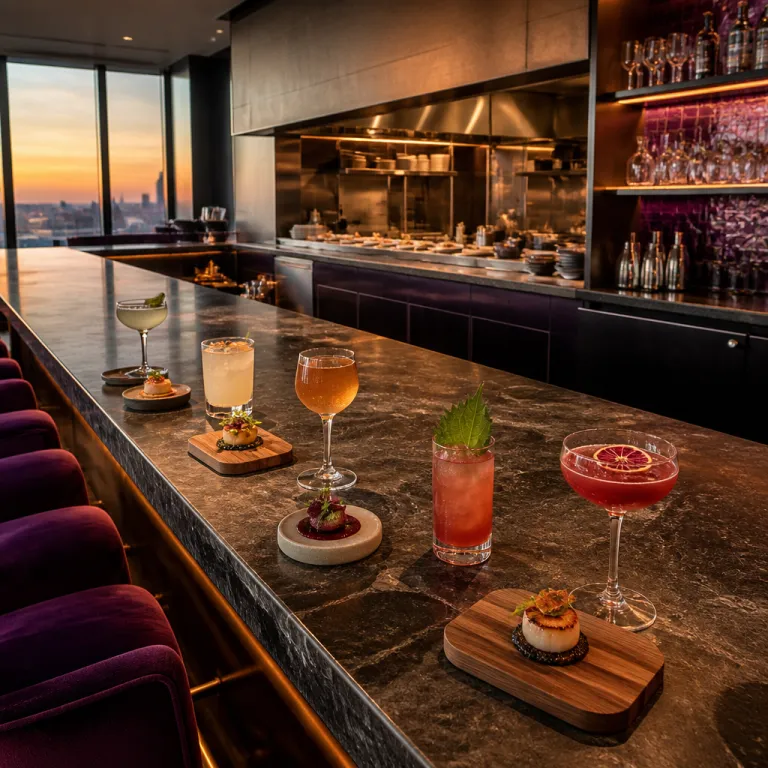
The rise of tasting menu cocktails in the hotel bar
Luxury travelers now expect the hotel bar to think like a kitchen. The most ambitious properties build full tasting menu cocktails programs where the chef and bartender design each course together, so the experience feels closer to a restaurant than a lounge. For people who plan trips around food, this shift turns the bar into a destination in its own right.
At its core, a cocktail tasting menu is a curated sequence of smaller drinks, each with distinct flavors and a matching bite. One expert definition puts it simply ; “A curated selection of smaller-sized cocktails for sampling.” When a hotel bar treats that sequence as a menu course progression, the tasting becomes a narrative that runs as smoothly as a top fine dining service.
Across the United States, properties such as Evening Bar, Marcus Night Bar and Doyle Bar use seasonal ingredients and time honored techniques to elevate these drinks. Their teams lean on specialized glassware, creative garnishes and quietly theatrical presentations, which work especially well in an intimate counter setting. For families or groups, this format offers a good way to explore cocktails together while the chef adjusts the food pairings to suit different palates.
For a luxury booking platform, the main SEO lens is clear ; tasting menu cocktails hotel bar chef bartender pairing is no longer a niche phrase but a practical filter for choosing where to stay. Guests want to know whether the bar can deliver a structured tasting menu, not just a long list of cocktails. When that information sits alongside room categories and restaurant options, people can judge how perfectly the property aligns with their food focused travel style.
How chef and bartender pairing reshapes the hotel experience
The most interesting hotel bars now operate like compact restaurants, with the chef and bartender sharing one creative brief. Instead of designing a cocktail and then hunting for food to match, they build a full tasting menu together, course by course, so every sip and bite lands in the same flavor register. This chef bartender pairing turns the bar into a stage where the menu course structure feels as considered as any tasting in the main dining room.
At Marcus Night Bar, for example, the team offers a cocktail tasting experience priced around 75 dollars, which sits comfortably in the 85 to 150 dollar range seen at top properties. Served over roughly 90 to 120 minutes, the sequence might include a bright aperitif style cocktail, a richer stirred drink and a playful dessert glass, each with food that echoes or contrasts the core flavors. People who usually book a table in the restaurant first now find themselves reserving the bar counter instead, because the tasting menu there feels just as serious.
In cities where hotel bars already carry cultural weight, this collaboration goes even further. Singapore’s hotel bars, for instance, have evolved from the classic sling era into a new wave of Southeast Asian reinvention, where chefs and bartenders share spice blends, ferments and even dry aged garnishes for savory drinks. A detailed guide to Singapore’s hotel bars and their Southeast Asian reinvention shows how these partnerships blur the line between restaurant and bar for globally minded guests.
For families, the chef bartender pairing model also makes it easier to request parallel non alcoholic drinks that mirror the main tasting menu. A bartender can build a zero proof cocktail with similar flavors while the kitchen adjusts the food portion or spice level for younger palates. When a booking site highlights these options clearly, people who travel with children can choose a hotel bar where everyone feels included and perfectly looked after.
From omakase counters to palace lounges: formats that work
Different hotels interpret tasting menu cocktails in distinct ways, but the most successful formats share a few traits. They keep the number of cocktails tight, usually five or seven, they pace the menu course sequence carefully and they design food pairings that can be executed from a compact bar kitchen. When this structure is clear, guests know they are booking an experience, not just ordering a round of drinks.
Take the omakase style approach at 99 Sushi Bar in the St. Regis Budapest, where an elevated sushi counter sits alongside a serious cocktail program. Here, an omakase progression of nigiri and small plates can be paired with a Crown Mary style cocktail sequence, so the bar and restaurant operate as one multi format dining destination. A guest might start with a delicate gin based cocktail at the counter, move through several courses of sushi with precise wine or sake, then finish with a darker, spirit forward drink that echoes the umami of dry aged fish.
Grand European hotels offer a different template, where the lounge becomes the natural home for a tasting menu. In these palace style properties, the bar often shares a pantry with the main restaurant, which makes it easier to send out small food courses that match each cocktail. A deeper look at why grand hotel bars in Europe still define the category shows how this shared infrastructure lets bartenders work almost like a secondary kitchen brigade.
For a booking platform, the key is to describe these formats with the same care used for room types. Is the tasting menu served at the bar counter only, or also in an intimate side room that suits families ? Are there parallel wine or non alcoholic drinks pairings for people who prefer not to drink spirits, and can the chef adapt each menu course for dietary needs ? Clear answers help guests choose the property that fits their appetite for structured, creative bar dining.
The business logic: why hotels invest in cocktail tasting menus
From a financial perspective, tasting menu cocktails change the math of the hotel bar. A traditional service model relies on quick turns, with people ordering one or two drinks and perhaps a light snack before moving on. A structured tasting menu, by contrast, locks in a higher check average but accepts a longer seat time, often around two hours for a full sequence of cocktails and food.
For many luxury properties, that trade off works well because the bar becomes a magnet for both in house guests and local regulars. A five or seven course tasting menu priced between 85 and 150 dollars can match or exceed the revenue of a casual dinner in the restaurant, especially when guests add a glass of wine or an extra cocktail at the end. The perceived value is high, because people see the chef and bartender working together to deliver something that feels perfectly tailored to the evening.
Operationally, these programs also encourage tighter collaboration between departments. Bars that work with local distilleries, artisan producers and culinary experts can build seasonal menus that change in step with the kitchen, which keeps the creative energy sharp. Evening Bar and Doyle Bar, for example, use art inspired and historically themed cocktails to anchor their tasting menus, which gives returning guests a reason to book the bar again rather than defaulting to room service.
For hotel owners and booking platforms, the message is simple ; a strong tasting menu cocktails hotel bar chef bartender pairing offer signals a serious food and beverage strategy. It shows that the property treats the bar as a core part of its identity, not an afterthought. When that strategy sits alongside thoughtful event spaces, as explored in this guide to evaluating hotel conference facilities for unforgettable events, guests can trust that every part of the stay has been designed with the same level of care.
How to choose a bar forward hotel when you travel as a family
For the premium family traveler, the challenge is balancing serious cocktails with a comfortable, inclusive environment. The good news is that many luxury hotels now design their tasting menu experiences with families and mixed groups in mind, offering non alcoholic drinks pairings and flexible food portions. When you read between the lines of a bar description, you can often tell whether the space will feel intimate yet welcoming or skew too much toward late night energy.
Start by checking reservation policies, because a structured tasting menu usually requires a timed seating. Many hotel bars now publish their menu course outlines online, which lets you gauge how adventurous the flavors are and whether the chef can adapt dishes for children or dietary needs. It is always wise to inquire about dietary restrictions directly with the bar, especially if someone in your group avoids alcohol but still wants to enjoy a parallel tasting.
Look for signals that the bartender and kitchen work closely together, such as shared seasonal themes or references to dry aged ingredients used in both food and cocktails. A bar that highlights curated tasting menus, specialized glassware and innovative presentations is more likely to deliver a coherent experience than one that simply lists a long roster of drinks. When people leave reviews mentioning how perfectly the staff paced each course and how good the pairings felt, you know the operation runs like a well drilled restaurant service.
On a booking site, the phrase tasting menu cocktails hotel bar chef bartender pairing should point you toward properties where the bar is the soul of the stay. These are the places where a Swing Set style cocktail menu inspired by history, or a sushi omakase with tailored drinks, becomes the highlight of the trip. For families who travel on their stomachs, choosing one of these top bar forward hotels can turn an ordinary night into a quietly unforgettable tasting.
FAQ
What is a cocktail tasting menu in a hotel bar ?
A cocktail tasting menu in a hotel bar is a structured sequence of smaller cocktails, usually five to seven, often paired with small food courses. It mirrors the rhythm of a restaurant tasting menu, with each drink designed to highlight specific flavors or ingredients. This format lets guests sample a range of styles without committing to full size drinks.
Are reservations required for cocktail tasting menus ?
Policies vary ; some hotel bars hold a few seats for walk ins, but most tasting menu programs work best with reservations. Because each menu course is paced over 90 to 120 minutes, the team needs to manage seatings carefully. When in doubt, contact the bar directly or check the booking notes on your reservation platform.
Do cocktail tasting menus accommodate dietary restrictions ?
Many hotel bars can adapt both drinks and food pairings for common dietary needs, especially when the chef and bartender collaborate closely. However, capacity varies depending on the size of the kitchen and the complexity of the menu. The safest approach is to inquire directly with the bar about allergies, alcohol free options and any ingredients you need to avoid.
How much does a hotel bar cocktail tasting usually cost ?
Pricing depends on the city and the ambition of the program, but many luxury hotel bars fall in the 85 to 150 dollar range per person. Some, like Marcus Night Bar, offer experiences around 75 dollars, which can be a good entry point for people new to the format. Higher priced menus often include more elaborate food courses or premium spirits.
Why choose a hotel with a cocktail tasting menu when traveling with family ?
For families who care about food, a hotel with a serious cocktail tasting menu often signals a strong overall culinary culture. These properties are more likely to offer thoughtful non alcoholic drinks, flexible menu course options and staff who can pace the evening around your group. Choosing such a bar forward hotel can turn one night of the trip into a shared, memorable tasting experience for everyone.