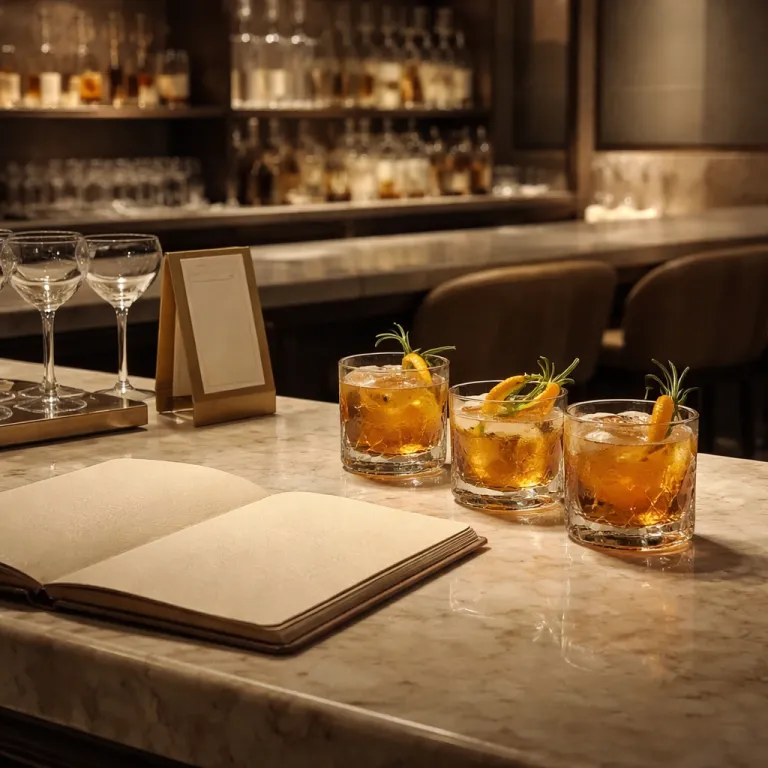
Why the cocktail menu is the real check in at a luxury hotel
Walk into a serious luxury hotel and the first story you read is not on the website, but on the cocktail menu in the hotel bar. The way that list is built, from paper weight to typography and drink options, tells you instantly whether this is a property where guests expect a quick pre dinner drink or a full evening at the counter. For solo travelers choosing between intimate luxury properties and larger resort style hotels, that first glance at the bar menu can be more revealing than any room photo.
Across leading properties, high end cocktail lists for 2026 show a shift from long encyclopedic lineups toward tightly edited narratives that frame the entire guest experience. Each drink is treated as a chapter, with tasting notes, origin stories and pairing suggestions that connect directly to hotel dining and the wider food beverage program. When a menu explains how a low alcohol spritz links to the tasting menu upstairs, or how an alcohol free highball uses herbs from the rooftop garden, you see a hospitality ecosystem rather than isolated drinks.
This narrative approach matters because it shapes how guests move through the hotel and how they remember the stay. A modern bar menu that guides a guest from aperitif to nightcap, with clear signals on low alcohol and alcohol free options, supports both health conscious choices and longer, more relaxed evenings. For a solo explorer, that structure offers quiet confidence; you know where to start, how to pace your drinks, and when to drift back to your room without feeling rushed or overserved.
Garden to glass: when the hotel bar drinks like the hotel garden
The most interesting luxury hotel cocktail menu trends in 2026 are rooted, quite literally, in the soil just outside the lobby. Garden to glass programs have moved from novelty to core strategy, especially in luxury hotels that already invest heavily in fine dining and seasonal food beverage sourcing. When a hotel bar can point to a terrace or courtyard and say your cocktail garnish was cut there an hour ago, the experience becomes both hyper local and quietly theatrical.
In practice, this means menus where elderflower, basil, shiso and citrus leaves appear across several cocktails and spirit free drinks, but never feel repetitive. Luxury hotel bartenders work with culinary expert teams to plan planting schedules, ensuring that low alcohol spritzes, alcohol free infusions and full strength agave cocktails all have access to fresh botanicals throughout the year. For guests, especially those staying in resorts in the Middle East or tropical climates, that planning translates into vibrant, cooling drink options that respond to the weather outside rather than a generic global template.
Garden programs also change how guests experience the wider hotel, because the bar becomes a lens on the property’s landscape. A guest might tour the kitchen garden after breakfast, then later order a custom cocktail that uses the same tomatoes or herbs in a savory drink at the counter. This loop between hotel dining, bar service and outdoor spaces deepens guest satisfaction and supports future proofing, since sustainable sourcing and reduced waste are no longer marketing lines but visible, drinkable realities.
The elderflower moment and the rise of mindful indulgence
Among luxury hotel cocktail menu trends for 2026, one flavor threads quietly through the best lists: elderflower. From London grand hotels such as The Connaught Bar to new luxury hotels in the Middle East, elderflower appears in low alcohol spritzes, alcohol free highballs and full strength tequila or agave cocktails, adding a floral lift that feels modern rather than nostalgic. This is not a fad garnish, but a versatile botanical that bridges classic and contemporary tastes for a wide range of guests.
Mindful indulgence sits alongside this elderflower wave, reshaping how menus balance alcohol and abstention. Industry surveys from groups such as IWSR and the Distilled Spirits Council highlight growing demand for sophisticated, alcohol free options for health and inclusivity, and luxury hotel teams have responded by giving these drinks prime real estate on the menu instead of hiding them at the back. When a spirit free drink is presented with the same design care, glassware and storytelling as an award winning signature cocktail, solo travelers feel free to alternate between full strength and zero proof without any social friction.
This balance has practical implications for guest experience and guest satisfaction across hospitality. A menu that clearly labels low alcohol serves, explains the build of each drink and suggests pacing for a full evening helps guests manage their own limits without sacrificing pleasure. As one head bartender at a five star hotel in Dubai noted in an IWSR interview, “Guests want to stay in control and still feel spoiled; the menu should make that easy.” For hotels, that clarity supports future proofing around wellness trends and responsible service, while also encouraging longer visits to the bar and more meaningful conversations between bartender and guest.
Tech meets craft: aroma, ice and maximalist presentation at the hotel bar
Technology has slipped quietly behind the counter, and luxury hotel cocktail menu trends in 2026 reflect that shift in subtle but striking ways. Aroma technology and cryogenics are releasing new flavors, while layered drinks designed to be visually stunning now sit alongside classic stirred cocktails on many hotel bar lists. The best menus explain these tools in plain language, so guests understand why a drink arrives smoking, shimmering or perfectly clear rather than assuming it is pure show.
Maximalist presentations, from edible pearls to tableside pours, are particularly visible in destination hotels that court serious bar status. In these spaces, the design of the drink becomes part of the room design, with glassware, lighting and even soundscapes choreographed to support the first sip. When a menu notes that a certain cocktail uses cryogenic techniques to lock in aroma, or that a low alcohol spritz is served over hand carved ice to slow dilution, the guest reads not gimmick but intent.
For the solo explorer, this blend of tech and craft can turn a quiet evening into a layered experience without needing company. You might sit at the counter, order a custom drink built around your preferred agave spirit, and watch as the bartender uses specialized tools with calm precision. That performance, framed by a clearly written cocktail menu, becomes part of the hospitality narrative and often lingers in memory longer than the décor of the room upstairs.
Reading a menu like an insider: what it tells you before you order
Knowing how to read luxury hotel cocktail menu trends for 2026 gives you an advantage before you even take a seat. Start with structure; a thoughtful menu will separate low alcohol, alcohol free and full strength cocktails, making it easy for guests to navigate by mood rather than by base spirit alone. If the menu also suggests pairings with hotel dining dishes or bar snacks, you are likely in a property where the bar and kitchen collaborate closely rather than operating as separate silos.
Language is the next tell, especially for solo travelers choosing between several hotels in a new city. Menus that credit the expert bartender or the wider bar équipe for specific creations, or that mention partnerships with local distilleries and culinary experts, signal a serious approach to drinks. When you see references to agave spirits popularity, savory and umami flavors, or non alcoholic cocktails rise woven into descriptions, you are looking at a bar that tracks global research rather than copying last season’s trends.
Finally, pay attention to how the menu frames guest experience beyond the glass. Some of the most interesting properties, such as those profiled in bar stay features on iconic hotel bars, use their lists to explain seating styles, service pacing and even late night food beverage availability. A menu that invites the guest to engage with bartenders about inspirations, or that encourages custom variations on house cocktails, usually belongs to a hotel where the bar is the soul rather than an amenity bolted onto the lobby.
Solo at the counter: choosing bar forward hotels that respect your data and your palate
For the independent traveler, the choice between similar luxury hotels often comes down to the bar, the room and the way the property handles both taste and trust. A hotel bar that invests in a serious cocktail menu, clear information on low alcohol and alcohol free options, and a calm, well lit counter instantly feels safer and more welcoming for solo guests. When that same hotel also communicates transparently about its privacy policy, cookie policy and handling of personal data during booking, you see a consistent respect for the individual.
On bar stay style platforms that curate hotels with strong drinks programs, you can already filter for properties where the bar is a destination in itself. Articles on places like the Delano’s Rose Bar in Miami, for example, show how an award winning hotel bar can define an entire property’s identity and attract guests who might never otherwise consider that hotel. In these cases, luxury hotel cocktail menu trends for 2026 are not abstract; they are visible in the way guests expect elderflower spritzes, agave based signatures and serious spirit free cocktails as standard.
When you book, look for signals that the hotel has built its hospitality strategy around the bar as much as the bed. Menus that highlight custom cocktails, thoughtful drink options for every palate and clear links to the wider food beverage offering usually sit within hotels that understand guest satisfaction as a holistic metric. That alignment between palate, privacy and place is what future proofing looks like in modern luxury hospitality, and it is where the solo explorer will feel most at home.
Key figures shaping luxury hotel cocktail menus
- The global tequila market reached about 11.69 billion USD in value in 2022 according to IWSR Drinks Market Analysis, underscoring why agave spirits now anchor many luxury hotel cocktail lists.
- IWSR Drinks Market Analysis projects the global tequila market to climb to roughly 18.58 billion USD by 2032, encouraging hotels and larger resorts to invest in agave focused signature cocktails.
- Industry research from IWSR and the Distilled Spirits Council identifies agave spirits, non alcoholic options, maximalist presentations and savory flavors as the top cocktail trends in luxury hotels, aligning closely with what guests expect to see on progressive menus.
- Non alcoholic cocktails rise because guests seek sophisticated, alcohol free options for health and inclusivity, pushing luxury hotels to expand zero proof sections and improve their design and storytelling.
FAQ: luxury hotel cocktail menu trends
What are the top cocktail trends in luxury hotels for 2026?
What are the top cocktail trends in luxury hotels for 2026? Agave spirits, non alcoholic options, maximalist presentations, and savory flavors. These themes appear across menus in luxury hotels and destination resorts, shaping both classic and experimental drink options.
Why are non alcoholic cocktails gaining popularity in hotel bars?
Why are non alcoholic cocktails gaining popularity? Guests seek sophisticated, alcohol free options for health and inclusivity. Luxury hotel bars now treat these drinks as core parts of the cocktail menu, giving them equal design attention and prime placement.
How are luxury hotels enhancing cocktail presentations?
How are luxury hotels enhancing cocktail presentations? By incorporating theatrical elements like edible pearls and fire presentations. These maximalist touches, supported by aroma technology and advanced ice work, turn a simple drink into a layered guest experience.
How can I tell if a hotel bar takes cocktails seriously before I book?
Look for signs such as a detailed online cocktail menu, clear sections for low alcohol and alcohol free drinks, and references to collaborations with local distilleries or culinary experts. Reviews that mention an award winning hotel bar or strong links between bar and hotel dining also indicate a serious program.
Do cocktail trends differ between regions such as Europe and the Middle East?
Core luxury hotel cocktail menu trends for 2026 appear globally, but properties in the Middle East often emphasize alcohol free and low alcohol serves more strongly due to local regulations and guest expectations. European and American hotels may lean harder into agave spirits and maximalist presentations, yet all regions now prioritize mindful indulgence and strong storytelling.