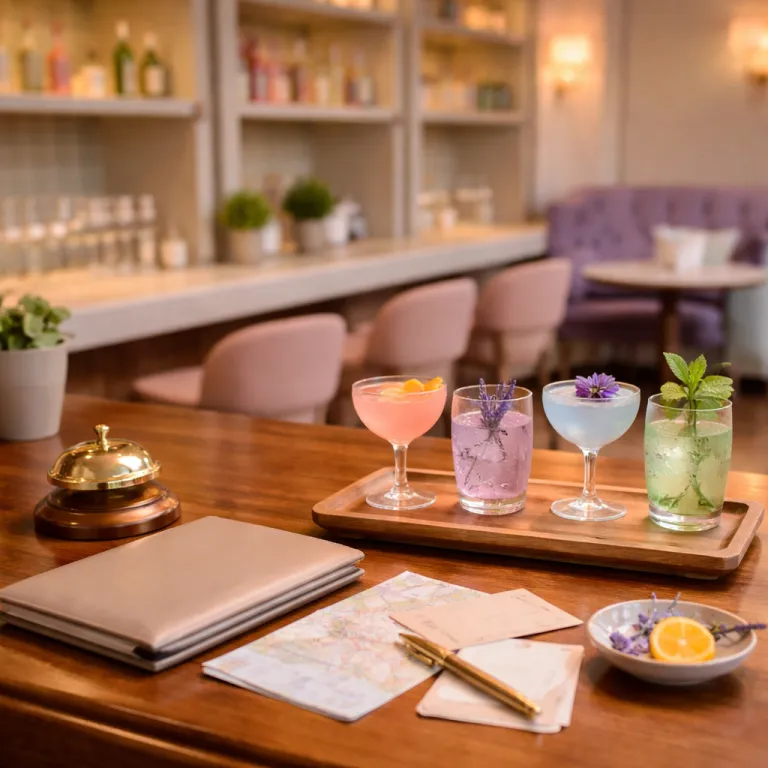
The rise of bartender concierge hospitality in luxury hotels
Walk into a serious luxury hotel bar and the most influential person in the room is no longer the front desk manager. In the new era of bartender‑concierge hospitality, the bartender and concierge often operate as a single, guest‑focused brain, quietly shaping where you sit, what you drink, and how you feel about the entire hotel. For travelers choosing a hotel for its bar‑restaurant scene, this shift in hospitality is as decisive as the thread count on the bed.
At properties where the hotel bar is the social heart, the bartender’s leadership carries a strategic weight that rivals the general manager, because the bar now anchors placemaking, brand identity, and repeat guests. Food and beverage has become a core pillar of differentiation in the hospitality industry, and hotels and resorts that treat the bar as a stage for exceptional service rather than a revenue corner consistently report stronger guest experience scores and long‑term loyalty. When you evaluate a hotel, you are no longer just booking a room; you are effectively hiring a hospitality team to curate your evenings, introductions, and conversations.
For this reason, the best bar‑forward hotel teams invest in hospitality staffing with the same rigor as executive recruitment, mapping bartender jobs to clear duties and responsibilities that go far beyond pouring cocktails. A hotel bartender is officially described as “service staff” whose role is to “prepare and serve beverages to guests,” yet in practice the responsibilities now include emotional triage, local orientation, and subtle crowd management. In parallel, the hotel concierge is defined as “guest services” who “assists guests with reservations and local information,” and the magic happens when these roles overlap at the counter where the bartender mixes spirit‑based drinks while quietly solving restaurant reservations.
From a traveler’s perspective, this convergence of bartender and concierge roles means that the bar becomes a third space between boardroom and bedroom. You might arrive as a tired business guest, but a trained bartender who understands concierge‑level service can recalibrate your entire stay with one perfectly timed question about your day. When you browse a booking platform that highlights bartender‑concierge style hospitality, pay close attention to how the property describes its bar équipe, its event staff, and its approach to guest experience, because these details reveal whether the hotel truly treats the bar as its soul.
From uniformed service to personality driven bar hospitality
Old‑world hotel service prized uniformity; the bartender stood behind a polished counter, the concierge behind a polished desk, and both followed scripts. In the best contemporary hotel bar programs, personality has replaced script as the defining asset, and bartenders are hired as much for narrative skills as for technical mastery of cocktails. This evolution is especially visible in New York City, where the right bar‑front concierge team can turn a corporate stay into a sequence of memorable events without ever leaving the lobby.
Consider The Connaught Bar in London, where the lead bartender mixes martinis tableside while reading micro‑expressions that no algorithm can parse, then quietly suggests a restaurant or cultural event that fits your mood. As bar director Agostino Perrone has noted in interviews with international bar guides, the goal is to “create a story around each drink” so that the guest feels personally seen rather than processed. At Raffles Long Bar in Singapore, bartenders and concierge staff operate almost as one team, guiding guests through heritage‑based drinks such as the Singapore Sling while offering precise advice on special events and local experiences. In both hotels and resorts, the bar‑restaurant is not an amenity; it is the primary lens through which guests interpret the entire hospitality offer and judge whether the service feels better than the competition.
For travelers comparing properties, this means you should interrogate how the hotel defines the role of its hospitality staff behind the counter. Ask whether bartenders are trained to handle concierge‑style responsibilities, such as last‑minute restaurant bookings, event tickets, or tailored walking routes between meetings. When a hotel invests in such cross‑functional roles and clear duties and responsibilities, the result is a more fluid guest experience where one conversation at the bar can replace several calls to reception, and where event staff can pivot from hosting a tasting to arranging transport for guests leaving an event.
Planning a trip where the bar will matter as much as the room calls for a different research strategy. Instead of scanning only room photos, study how the property talks about its hotel bar, its staffing philosophy, and its approach to bartender‑concierge collaboration, then compare that with curated guides such as detailed advice on how to book hotels with bars in Rome for a refined stay. When you see language about bartender roles, concierge partnership, and the ability to deliver exceptional, personalized service at the counter, you are usually looking at a hotel that understands the bar as a third space rather than a revenue line.
AI, data, and the irreplaceable human behind the bar
Technology now sits quietly behind many of the most sophisticated hotel bars, shaping everything from lighting levels to suggested cocktails. Some luxury properties use guest preference data, AI‑driven recommendation engines, and integrated reservation systems so that a bartender mixes a drink that reflects your previous stays before you even open the menu. Yet even in the most advanced bartender‑concierge models, the human ability to read a guest in real time remains the decisive factor.
Forward‑thinking hotels and resorts treat AI as a backstage assistant for hospitality staffing rather than a replacement for hospitality workers, using it to surface patterns about which spirit‑based drinks resonate with which traveler profiles. A bartender‑leader might see on the screen that you usually order agave spirits, but only a trained professional with strong soft skills can decide whether tonight calls for a quiet neat pour or a bright, social cocktail. The same applies to concierge systems that log your past restaurant choices and preferred types of event; the data can suggest options, but only a person who hears the fatigue in your voice can recommend room service over a late reservation.
For business travelers extending trips into leisure, this blend of data and instinct is especially valuable. You may arrive in New York City after a long‑term client meeting, and the bartender who has access to your profile knows you like low‑proof cocktails, yet senses from your posture that you need silence more than conversation. That is where the expanded duties and responsibilities of modern bartenders and concierge staff intersect, allowing them to adjust music, seating, and even lighting to deliver exceptional calm in a crowded hotel bar.
When evaluating hotels on a premium booking platform, look for signals that the property uses technology to enhance, not replace, human service. Phrases about personalized guest experience, integrated systems, and collaboration between bar‑restaurant teams and concierge services usually indicate a thoughtful approach, especially when paired with clear references to hospitality staff training and event staff coordination. For a deeper understanding of how such strategies shape the overall stay, it is worth reading analyses of premium stays with exceptional bars that unpack how F&B‑centric design now defines luxury hotel hospitality.
Recruiting the bartender concierge: emotional intelligence as a core asset
The hardest jobs to fill in luxury hospitality today sit behind the bar, not at the front desk. Hotels that take bartender‑concierge style service seriously are competing for a small pool of bartenders who combine technical skills, emotional intelligence, and an instinct for narrative that keeps guests returning. Recruitment is no longer about basic staffing numbers; it is about building a cohesive team that can sustain long‑term relationships with frequent guests.
Leading properties now define the role of bartender in terms that mirror senior concierge roles, emphasizing responsibilities such as anticipating guest needs, curating events, and coordinating with restaurant and event staff. Interview processes often include live service simulations where bartenders must demonstrate how they would handle overlapping events, special occasions, and a demanding business guest who needs both a quick drink and urgent local advice. In this context, hospitality staffing becomes a strategic function, ensuring that every member of the hospitality staff understands how their duties and responsibilities contribute to the overall guest experience and the hotel’s reputation.
For travelers, the practical question is how to read these internal priorities from the outside when choosing a hotel. Signals include detailed staff profiles on the hotel website, visible collaboration between bartenders and concierge in the lobby, and programming that treats the hotel bar as a venue for curated events rather than generic happy hours. When you see bartenders leading tastings of spirit‑based drinks, hosting talks with local artisans, or guiding guests through food pairings that elevate the dining experience, you are seeing hospitality workers whose roles have been designed to deliver exceptional value beyond the glass.
Behind these visible gestures lies a simple strategic truth that serious hoteliers now accept. “What services does a hotel concierge provide? Assists with reservations, local recommendations, and special requests,” and “What is the role of a hotel bartender? Prepares and serves beverages to guests,” yet the properties that excel are those where these roles blur into a single, guest‑centric function. When you next book, ask yourself whether the hotel bar feels like a transactional counter or a third space where a trained bartender‑concierge team can quietly recalibrate your trip, because that answer will tell you more about the hotel than any room photograph.
Key figures shaping bartender concierge hospitality
- Around 65% average hotel occupancy globally, reported by Statista in its 2023 overview of the hotel market, means that even marginal improvements in bartender‑concierge style hospitality can influence thousands of guest nights per property each year.
- Industry commentary in Hotel Management magazine suggests that roughly 80% of hotels now offer some form of concierge services, yet only a fraction integrate these concierge roles meaningfully with hotel bar operations and bartender‑led guest experience.
- Research on luxury travel behavior from sources such as Virtuoso and American Express Travel indicates that roughly 60% of high‑end travelers prioritize hotels with strong restaurant and bar programs, which reinforces the strategic importance of investing in hospitality staffing, bartender training, and exceptional service at the counter.
- Publicly discussed internal reviews from major hotel groups, including Marriott International and Hilton, consistently show that properties with signature hotel bars and engaged hospitality staff often see higher repeat guest rates than comparable hotels and resorts without such bar‑restaurant anchors.