The science behind the hotel bar sound design acoustics cocktail experience
Step into a serious hotel bar and your first impression is rarely visual alone. The best properties treat sound as a structural element, using precise sound design to tune every bar, room, and dining area to the way guests actually drink and talk. Research in sensory science shows that background noise above 85 decibels can mute sweetness, sharpen bitterness, and quietly rewrite your entire cocktail experience.
In hospitality studies, around 70 % of guests report that excessive noise in restaurants and bars damages their enjoyment, which makes the acoustic choices of a luxury hotel more than a décor detail. Flavour Journal has highlighted how sound influences taste perception by altering sensory experiences, while hospitality designers now work with acoustic engineers to balance music, human sound, and silence in each space. When you feel a warm inviting hush around you, with conversation clear but never harsh, you are sensing a carefully engineered auditory environment rather than an accident of architecture.
For couples planning a romantic stay, this science matters as much as the cocktail list. A hotel bar that understands fidelity sound and the physics of sound waves will pour the same Negroni you had elsewhere, yet it may taste softer and more layered because the noise level is controlled and the sound system is tuned for high fidelity rather than brute volume. The most forward thinking properties now treat the hotel bar sound design acoustics cocktail experience as a core part of their brand, not a technical afterthought.
Designing the room: materials, interior design and the quiet power of wood
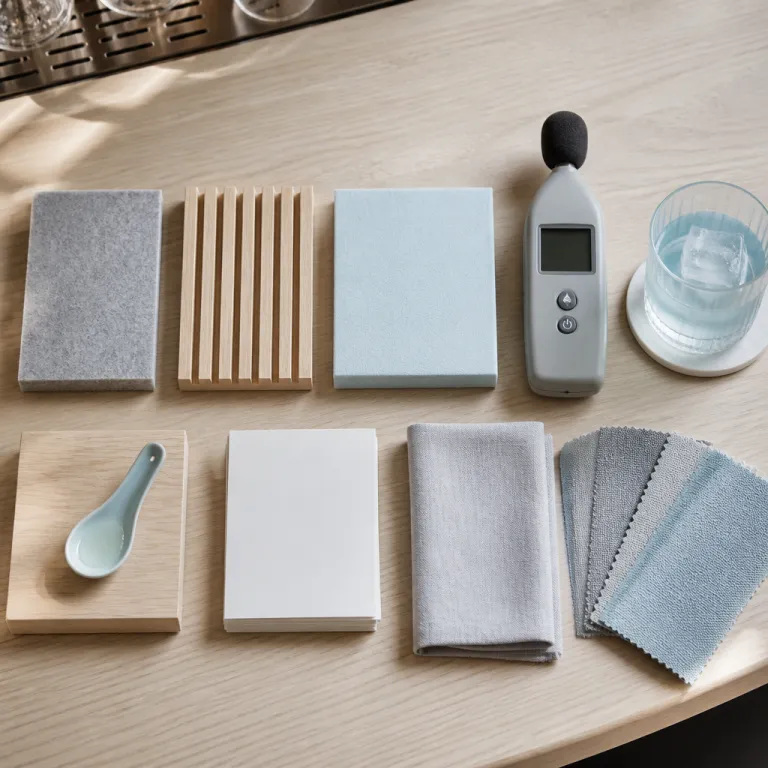
Look closely at a great hotel bar and you will see how interior design doubles as acoustic engineering. Designers use natural materials such as wood, leather, and heavy textiles to absorb sound waves, soften clatter, and create a warm inviting bar space where voices sit comfortably in the mid range. Behind the scenes, acoustic consultants model how sound will move through the room, then specify wall panels, ceiling treatments, and floor coverings that keep the auditory environment in that sweet one second reverberation window.
In practice, this means the materials wood used for the bar counter, shelving, and ceiling slats are chosen as much for their acoustic properties as for their instagram ready style. Materials like dense timber, felt wrapped wall panels, and upholstered banquettes help create a listening bar feel even in a busy lobby, allowing couples to lean in without shouting. Hotel bar designers now work hand in hand with interior design studios, hospitality managers, and acoustic engineers to create spaces where décor, sound systems, and lighting form one coherent experience.
When you browse a luxury booking site, pay attention to how the bar and dining room are photographed and described. If the property talks about custom sound systems, natural materials, and acoustic panel installation, you are likely looking at a hotel that treats its hotel bar sound design acoustics cocktail experience with real seriousness. For a deeper sense of how top brands train their teams to think this way, the detailed feature on how Four Seasons builds its bar teams shows how service, design, and sound are increasingly aligned.
From listening bars to late night clubs: curating music and human sound
Tokyo style listening bars have quietly reshaped how luxury hotels think about music in their own bars. Instead of treating playlists as background noise, these properties curate high fidelity sound systems, vinyl collections, and DJ programs that turn the bar into a listening room without sacrificing conversation. The goal is not nightclub volume but a layered sound design where music, shaker noise, and low voices blend into a single, textured experience.
Studies in hospitality and psychology show that faster tempo music can increase drinking speed, while lower tempo jazz or soul encourages guests to linger and order another round. Smart hotel bars use this data to create different auditory environments across the evening, shifting from aperitif friendly listening bars early on to more club adjacent energy later at night, without ever letting the noise level drown out intimacy. As one industry Q&A puts it with useful clarity : “How does sound affect taste? Sound influences taste perception by altering sensory experiences.”
For couples, this means choosing a property where the hotel bar sound design acoustics cocktail experience is clearly intentional. Look for mentions of personalized soundscapes, integration of live music, and zones where the sound system is calibrated differently between the dining area, the bar counter, and any adjacent club style lounge. When summer crowds hit and the bar fills, the hotels that have invested in acoustic modeling and staff training, like those profiled in the feature on how hotel bars protect the experience at peak season, are the ones that keep your martini tasting as balanced at midnight as it did at six.
Behind the bar: how teams engineer atmosphere, not just cocktails
The most interesting shift in luxury hotel bars is happening behind the counter. Bartenders, bar managers, and acoustic engineers now collaborate as one équipe, treating the bar not only as a place for drinks but as a finely tuned instrument for creating atmosphere. They adjust music levels, move guests between spaces, and even time the clatter of ice and glassware to support the overall hotel bar sound design acoustics cocktail experience.
In open plan properties, the bartender’s voice becomes part of the design, carrying just enough to make guests at the bar feel included without spilling aggressively into the dining room. Hospitality managers use sound level meters to monitor the auditory environment through the evening, nudging the sound system or asking the DJ to shift tempo when conversation starts to strain. Acoustic consultants report that an optimal reverberation time of around one second in bars allows the human ear to separate speech from background music, which is why you can hear your partner clearly in some spaces and not in others.
For travelers, this behind the scenes work translates into a bar where the staff remembers not only your preferred drink but also the way you like to listen. Some couples prefer a listening bar corner with softer music and more absorption from wall panels and materials wood, while others gravitate toward the livelier bars and club style lounges with higher energy sound systems. When a hotel team is trained to read these cues, they can create or adjust zones on the fly, ensuring that the high quality of the cocktails is matched by equally high fidelity sound and a genuinely warm inviting atmosphere.
How to choose a hotel by its bar’s acoustic identity
When you scroll through booking options, start reading bar descriptions with the same care you give to room categories. Properties that take their hotel bar sound design acoustics cocktail experience seriously will mention acoustic treatments, custom sound systems, and collaboration with interior design specialists. They may highlight natural materials, sound absorbing wall panels, or even dedicated listening bars within the hotel.
Look for signs that the bar space has been designed for both dining and drinking, with a clear distinction between the dining area, the main bar, and any adjacent club style room. Hotels that talk about personalized soundscapes, integration of live music, and soundproofing between the dining room and late night bar zones are usually investing in more than surface level decor. These details suggest that the auditory environment has been modeled, tested, and refined to keep noise level under control while still creating atmosphere.
Finally, pay attention to guest reviews that mention sound, not just service or design. Comments about a warm inviting bar where you can talk easily, or praise for high quality music and high fidelity sound systems, are strong indicators that the property understands how sound influences taste and mood. Choose those hotels and you will find that the same martini, served in a room with thoughtful acoustic design and natural materials, somehow feels deeper, longer, and more memorable.
FAQ
Why is acoustic design so important in hotel bars ?
Acoustic design in hotel bars shapes how you taste, talk, and relax. Controlled sound waves and balanced noise levels help flavors feel clearer, while excessive noise can flatten sweetness and amplify bitterness. For couples, a well tuned auditory environment simply makes every drink and conversation feel more intimate.
How does sound affect what a cocktail tastes like ?
Studies in sensory science show that loud, harsh sound can reduce your perception of sweetness and increase perceived bitterness. Softer, warmer soundscapes with high fidelity music and moderate volume tend to support more nuanced flavor perception. This is why the same cocktail can feel smoother in a calm listening bar than in a loud club.
What are common acoustic treatments used in luxury hotel bars ?
Luxury hotel bars often use a mix of acoustic wall panels, heavy curtains, upholstered seating, and materials wood such as slatted ceilings to absorb and diffuse sound. These elements work with carefully placed sound systems to keep reverberation around one second, which helps speech remain clear. The result is a warm inviting bar where music, conversation, and glassware blend without clashing.
How can I tell from photos or reviews if a bar will be too loud ?
Photos that show lots of hard surfaces, bare concrete, and glass with little fabric or wood often signal a brighter, louder space. Reviews mentioning shouting, echo, or difficulty hearing across the table suggest poor acoustic control, while comments about calm energy, easy conversation, or a cozy listening room feel are positive signs. When in doubt, contact the hotel directly and ask about noise level and acoustic features in the bar and dining area.
Are listening bars suitable for a romantic hotel stay ?
Listening bars can be excellent for couples who value music as much as cocktails. These spaces prioritize high fidelity sound, curated playlists, and comfortable noise levels, which often makes conversation easier than in a typical club. If you enjoy sharing records at home, a hotel with a dedicated listening bar or listening bars themed evenings can feel like an elevated, intimate extension of your living room.