The quiet revolution of aroma in the luxury hotel bar
Walk into a serious luxury hotel bar now and the first thing you notice is not the cocktail list but the air. Behind the polished counter, the team may be working with a discreet diffuser system, calibrated so the fragrance wraps the room without ever feeling like a retail sale. This is where the phrase hotel bar aroma diffuser scent cocktail multisensory stops sounding like jargon and starts describing a very deliberate style of hospitality.
For travelers choosing a hotel, the bar has become a laboratory for multisensory experiences that shape how guests feel before the first sip touches their taste buds. Many properties use cold air diffusion rather than heated oil burners, because cold air keeps each fragrance oil stable and prevents the scent from turning harsh over long hours day. When you read reviews that mention an almost cinematic bar experience, you are often reading about spaces where the sense of smell has been engineered as carefully as the lighting grid.
In this world, price is not just about the drink in the glass but about the total sensory experience that surrounds it. A luxury hotel may invest in a hotel collection of fragrance oils, candles fragrance and essential oils that match its signature scent, then translate that identity into cocktails and experiential dining rituals. For the solo guest at the counter, the result is a hotel bar aroma diffuser scent cocktail multisensory moment that feels both intimate and quietly theatrical.
The science of aroma: why flavor lives in the air
Most of what we call taste is actually aroma traveling through the air to the nose, then back through the retronasal pathway while we drink. When a bartender lifts a cloche and a cool ribbon of scented cold air escapes, the hotel is not chasing a gimmick ; it is using data from sensory science that shows how scent shapes flavor perception. The hotel bar aroma diffuser scent cocktail multisensory trend is grounded in this science, not just in design fashion.
High end bars in a luxury hotel setting now work with perfumers to build a signature scent that can be expressed both as a room fragrance and as a family of cocktails. A single fragrance oil might appear in a discreet diffuser behind the back bar, in candles fragrance on the tables and in atomized form over a martini, creating layered multisensory experiences for guests. When you read expert coverage of grand hotel bars in Europe, such as detailed analyses of why a palace hotel bar still defines the category on specialist bar hotel guides, you often find that the most memorable properties are those that treat aroma as part of their core identity.
For the traveler, this matters because it changes how you evaluate a bar based on more than price or location. A hotel that has invested in a coherent hotel collection of fragrance oils and essential oils for its lobby, corridors and bar is usually thinking carefully about the guests experience from arrival to nightcap. When the same sensory language appears in the glass, the hotel bar aroma diffuser scent cocktail multisensory approach turns a simple drink into a narrative that follows you back to your room.
From garnish to diffuser: techniques that shape the multisensory cocktail
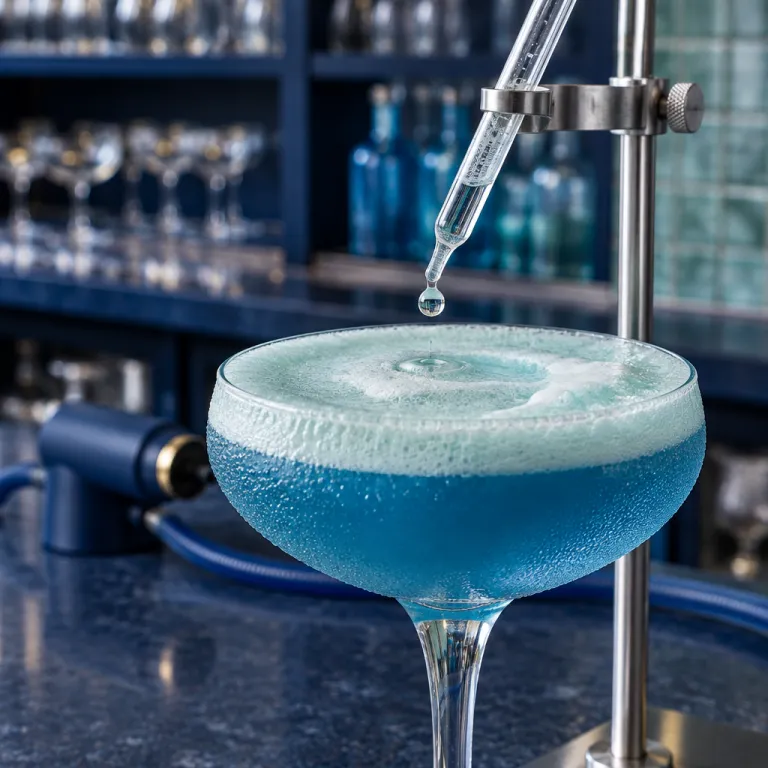
Look closely at the next serious martini you order in a hotel bar and you may notice that the lemon twist is only the starting point for aroma. Many programs now use atomizers filled with diluted fragrance oil or food grade essential oils to mist the surface, creating a halo of scent that lingers in the air above the glass. In more ambitious bars, a hidden diffuser system releases a matching room fragrance at the moment the drink is served, turning a simple order into a hotel bar aroma diffuser scent cocktail multisensory performance.
Other techniques are more tactile but equally sensory, from scented ice carved to trap citrus oils to cloches filled with cold air infused with tea smoke or herbs. Some inspired hotel teams design experiential dining pairings where each course and each of the cocktails is matched with a different signature scent, sometimes even using candles fragrance that echo the dominant notes in the drink. For a solo guest, this can feel like a private tasting menu for the sense of smell, especially in cities such as New York where bar forward hotels are mapped in detail by insiders on platforms like guides to New York hotel bars.
Behind the scenes, bar managers study customer feedback and reviews to refine which fragrance oils work best with which spirits and which aromas overwhelm the room. Years ago, many properties experimented with theatrical smoke that looked good in photos but left guests feeling as if the air was heavy and the taste muted. Now, the best luxury hotel bars use precise diffuser technology and carefully measured fragrance oils so that the multisensory experiences feel elegant rather than intrusive.
How to read a bar: craft, gimmick and the solo traveler
For the independent traveler choosing a hotel, the challenge is telling the difference between genuine craft and a scented gimmick. A serious program will explain how its diffuser systems work, why a particular fragrance oil was chosen and how the aroma connects to the cocktails rather than just to a generic hotel smell. When a property talks clearly about its hotel bar aroma diffuser scent cocktail multisensory philosophy, you can usually trust that the sensory design is more than marketing.
Pay attention to how the staff speak about scent when you sit at the counter as a solo guest. In a well run luxury hotel bar, the bartender will ask about your taste preferences, then adjust the level of aroma, perhaps skipping a strong signature scent mist if you say you are sensitive to fragrance. That kind of responsive service shows that the guests experience is being shaped in real time, not forced through a one size fits all sensory script.
There are also practical signals that separate thoughtful multisensory experiences from overdone concepts. If the air feels clean, the aromas are subtle and you can still clearly taste the base spirits in your cocktails, the balance is probably right. If, on the other hand, the room fragrance is so strong that guests feel fatigued after an hour, or if every drink arrives under a cloche of scented smoke, you may be paying a premium price for a bar that values spectacle over comfort.
Booking with your nose: choosing hotels that treat scent as hospitality
When you browse a booking website for a hotel with a serious bar, read beyond the room categories and look for language about aroma, diffuser systems and signature scent programs. Properties that describe their hotel collection of candles fragrance, fragrance oils and essential oils, and how these relate to the bar, are signaling that they think in multisensory terms. This is where the phrase hotel bar aroma diffuser scent cocktail multisensory becomes a practical filter for your search, not just a trend label.
Some of the most interesting projects appear in destinations such as Las Vegas, where large scale resorts have the budget to experiment with air control, fragrance oil diffusion and experiential dining concepts that run almost twenty four hours day. In these environments, data from customer reviews and internal données about dwell time at the bar help teams refine which scents keep guests feeling relaxed, which aromas stimulate taste buds and which combinations encourage guests to continue shopping or stay for another round. For travelers planning a celebration stay, guides to event focused properties, such as detailed planning pieces on elegant resort weddings and how they shape the guests experience on sites like specialist hotel bar platforms, can also reveal how seriously a hotel treats its bar as a sensory stage.
Price still matters, of course, and many travelers will compare the sale price of rooms and bar menus across several hotels before committing. Yet when you factor in the quality of the air, the coherence of the fragrance program and the way the bar uses scent to frame the experience, the value equation changes. A slightly higher rate at an inspired hotel that treats aroma as part of hospitality can feel like a better sale once you have sat at the counter and felt how the sense of smell quietly rewrites your night.
FAQ
How does a hotel bar aroma diffuser change the taste of a cocktail ?
Aroma diffusers in hotel bars release controlled fragrance into the air, which then reaches your nose while you drink and shapes how you perceive flavor. Because most of what we call taste is actually aroma, a well tuned diffuser can make citrus notes feel brighter or oak tones seem deeper without changing the recipe. The key is subtlety ; if the scent is too strong, it overwhelms both the drink and the room.
What should I look for in reviews when choosing a multisensory hotel bar ?
When reading reviews, look for comments about how guests feel in the bar, not just about cocktail price or décor. Mentions of a clean, comfortable air quality, a distinctive but gentle signature scent and staff who adjust aromas on request are strong positive signs. If several guests mention headaches, overpowering fragrance or theatrical smoke that lingers, the multisensory design may be poorly balanced.
Are cold air diffusers safer than candles or heated oil burners in bars ?
Cold air diffusers are widely used in luxury hotel bars because they disperse fragrance oils without heat, reducing fire risk and preserving the integrity of the scent. Unlike heated oil burners or heavily perfumed candles, cold air systems can be precisely calibrated and run for many hours day without creating hot spots or residue. For guests, this usually means a more consistent, comfortable sensory experience.
Can I buy the same signature scent used in a hotel bar ?
Many hotels now offer their signature scent for sale as candles, fragrance oils or room sprays, often through an online hotel collection shop. If you enjoyed a particular bar, ask the team whether the fragrance is available for purchase or if they work with a specific perfumer. Bringing that aroma home can help you relive the multisensory experiences of your stay long after checkout.
Is a multisensory cocktail program worth the higher price for solo travelers ?
For solo travelers who value atmosphere and narrative, a well executed multisensory cocktail program can justify a higher price because it turns a single drink into a layered experience. You are paying not only for the spirits and technique but also for the way scent, sound and light are orchestrated around you. If the bar feels attentive, the aromas are balanced and you leave with a vivid memory, the premium often feels fair.